



A Comprehensive Guide to Selecting the Ideal Clothing Manufacturer for Your Brand
Introduction: The Hurdles in Identifying the “Perfect” Clothing Manufacturer
For numerous fashion entrepreneurs and emerging brands, the quest for reliable clothing manufacturers poses a significant challenge. The search can be overwhelming, especially when you're in the initial stages of your business or aiming for growth.
The term "good" in manufacturing means different things to different people. What suits a luxury fashion house will vary greatly from the requirements of a new startup or an eco-friendly activewear brand. Your brand's specific needs in terms of style, quantity, quality, and ethical standards will determine which clothing Manufacturers are the best fit for you.
This guide is designed to simplify the process. We'll provide you with a straightforward framework and clear-cut steps to help you find, evaluate, and collaborate with the right clothing producer that aligns with your brand's goals and needs. Our aim is to equip you with the knowledge to navigate this complex industry with confidence.
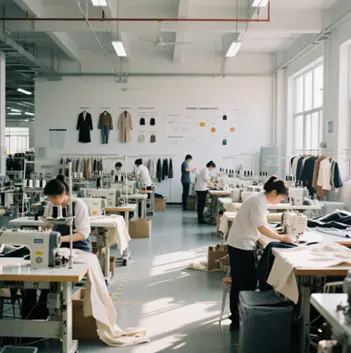
Defining “Best”: Key Metrics for Assessing Clothing Manufacturers
The concept of the “best” clothing manufacturer is subjective and varies from one brand to another. It's the manufacturer that complements your brand's unique characteristics the most. To discover this ideal partner, you must first identify your own priorities.
When evaluating manufacturers, we recommend considering several crucial factors. Contemplate these points carefully to focus your search:
Quality and Craftsmanship: This encompasses the materials they use, the precision of their stitching, and the overall finish of the garments. If quality is a cornerstone of your brand, don't compromise in this area.
Production Capabilities: Examine their areas of specialization (such as activewear, jeans, sweaters, or high-fashion items) and the techniques they employ. Ensure they have the expertise to produce your specific product type to a high standard.
Minimum Order Quantities (MOQs): This is a critical factor. MOQs can vary significantly. Some manufacturers are willing to work with startups and accept orders as low as 50–200 items per style/color, while others may require 500–1000+ items. This factor will significantly narrow down your options.
Pricing and Cost Structure: Look for fair pricing that offers real value, rather than simply opting for the cheapest option. Understand all associated costs, from sample production to full-scale manufacturing and shipping.
Lead Times and Turnaround: Determine how long it will take from ordering samples to receiving your finished products. Realistic timelines are essential for planning your product launches effectively.
Communication and Support: Effective, clear, and timely communication is vital. Evaluate how promptly they respond, their language proficiency (especially if dealing with international manufacturers), and their problem-solving abilities.
Ethical and Sustainability Practices: This aspect is becoming increasingly important to both brands and consumers. Investigate their working conditions, the origin of their materials, and their environmental impact. If these factors are important to your brand, verify their compliance with ethical production standards in the fashion industry.
Location and Logistics: Deciding between domestic and overseas manufacturing can impact costs, shipping times, import/export regulations, and quality control.
Experience and Reputation: Consider how long they've been in business, feedback from other clients, and their past work. A proven track record with brands similar to yours is a positive sign.
Rank these criteria according to your brand values, business plan, and target customers. This will enable you to find the clothing manufacturers that best meet your specific requirements.

Types of Clothing Manufacturers: Which Model Suits You?
Gaining an understanding of different clothing manufacturing services is fundamental to finding a partner that matches your resources, level of control, and product complexity. This knowledge will assist you in selecting the most suitable clothing manufacturers for your circumstances.
Here are the common manufacturing models:
| Manufacturer Type | Description | Pros | Cons | Best For |
| CMT (Cut, Make, Trim) | The manufacturer is responsible for cutting, sewing, and finishing (trims). The brand provides all fabrics, patterns, and labels. | Greater control over materials and potentially lower per-unit costs if sourcing is efficient. | Requires significant brand involvement, strong supply chain management, and technical expertise. | Brands with robust design and sourcing capabilities. |
| FPP (Full Production Package) / Full Service | The manufacturer manages the entire production process, including design development, material sourcing, sampling, production, and often packaging. | A one-stop solution, reducing the brand's day-to-day involvement in production details. | Potentially higher costs and less direct control over individual material choices and sourcing channels. | Startups or brands looking to outsource production complexities. |
| Specialized Manufacturers | Focus on specific product categories (e.g., activewear, swimwear, denim, leather goods) or production methods (e.g., seamless knitting, eco-friendly dyeing). | In-depth expertise and access to specialized machinery and materials relevant to their niche. | May not be suitable for brands with diverse product lines across multiple categories. | Brands with a focused niche requiring specialized expertise. |
You should also consider the choice between domestic and overseas manufacturing:
Domestic manufacturing (e.g., in the USA or Europe) often offers faster production times, easier communication, better quality control, and a “Made Locally” marketing advantage(插入内链:https://site_a7d8eed0-ecc9-4af7-9b0d-717fce488edc/save-your-time/). However, labor costs are typically higher. Some US locations are renowned for their speed and specialization in certain niches.
Overseas manufacturing (e.g., in Asia or Eastern Europe) can provide much lower costs, especially for large-volume orders. China offers extensive capabilities and scalability. Vietnam and Bangladesh are competitive for large production runs. Portugal and Italy are known for their high-quality textiles and craftsmanship, often with more flexible MOQs compared to some Asian factories. Nevertheless, potential drawbacks include longer waiting times, possible communication barriers, complex shipping, and challenges in overseeing ethical practices.
Your decision should be based on your budget, quality requirements, desired level of involvement, and your brand's image.
How to Find Potential Clothing Manufacturers: Effective Search Tactics
Once you've defined your requirements, it's time to actively seek potential partners. Identifying suitable candidates for the best clothing manufacturers requires a multi-faceted approach.
Here are some effective strategies we suggest:
Online Directories: Platforms like Maker’s Row, Sewport, and global sourcing sites such as Alibaba list numerous manufacturers. Utilize filters to narrow down your search based on location, specialty, and order size. There are also specific resources tailored to helping startups find clothing manufacturers, offering curated lists and valuable advice for new businesses.
Trade Shows and Exhibitions: Attending industry trade shows (e.g., Texworld, Magic, Première Vision) can be highly rewarding. These events provide direct access to manufacturers, material suppliers, and the latest industry innovations. Prepare by researching exhibitors in advance and scheduling meetings. Trade shows are an excellent opportunity to assess sample quality firsthand and build relationships.
Industry Networks and Referrals: Leverage your professional network. Engage with mentors, industry colleagues, and fashion communities on platforms like LinkedIn. Referrals from trusted sources can lead you to high-quality, pre-vetted partners.
Social Media and Online Communities: Search for relevant hashtags (e.g., #clothingmanufacturer, #apparelproduction) on Instagram or Pinterest. Join Facebook groups or subreddits for fashion entrepreneurs. However, exercise caution and thoroughly verify any leads obtained through these channels.
Direct Outreach to Brands You Admire: Although brands seldom disclose their suppliers, studying brands with similar styles and quality can give you insights into the types of manufacturers they might use and the achievable production standards.
Employing a combination of these methods, along with general guidance on finding quality clothing manufacturers, will help you compile a promising list of potential partners for further investigation.
Beyond the Listing: A Framework for Evaluating Your “Best” Clothing Manufacturer
Creating a shortlist of potential top clothing manufacturers is just the beginning. The next crucial step is a thorough evaluation to ensure they truly meet your brand's needs. This is where a deeper dive is required.
We follow a multi-step evaluation process, and we recommend you adopt a similar approach:
Initial Contact & Request for Information (RFI):
Professional Introduction: Clearly introduce your brand, including your vision, target market, and product types.
Key Questions: Inquire about their MOQs, typical lead times for samples and production, sample policy and costs, areas of specialization, and whether they can provide client references or examples of similar work.
Review Portfolios and Case Studies: Look for experience with products similar to yours in terms of style, complexity, and quality. Check if they share information about the brands they've worked with.
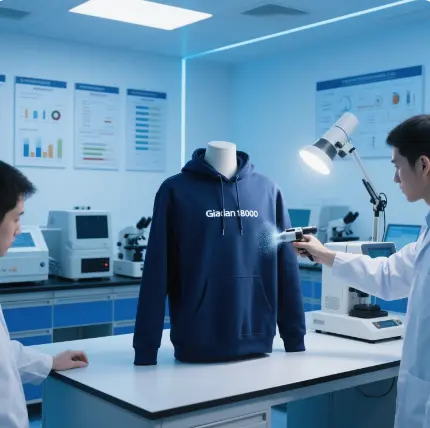
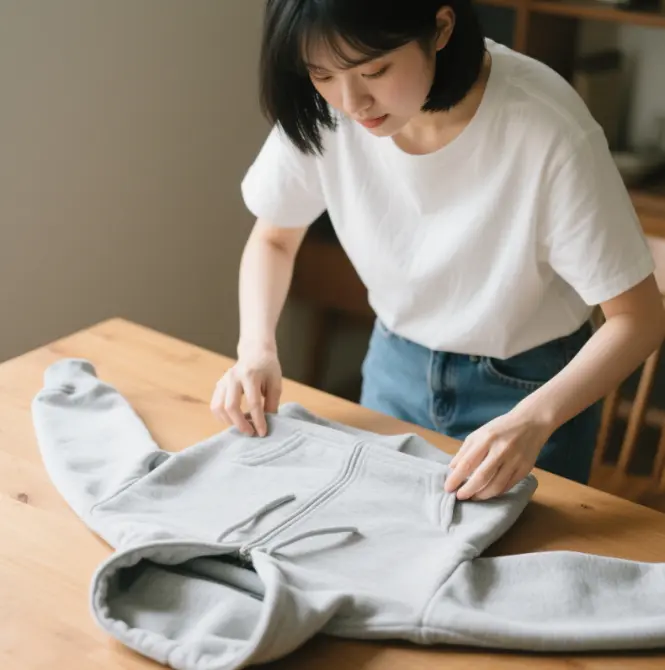
Request Samples: This is an essential step. You need to assess their workmanship in person. When reviewing samples, don't just focus on the overall appearance. Examine seam allowances, stitch consistency, fabric feel against technical specifications, color accuracy, label placement, and overall construction quality. We suggest creating a detailed checklist for your sample evaluation to ensure consistency.
Communication Assessment: Evaluate how quickly they respond, the clarity of their communication (including English proficiency if dealing with overseas manufacturers), and their willingness to answer questions comprehensively. Good communication is a predictor of a smooth working relationship.
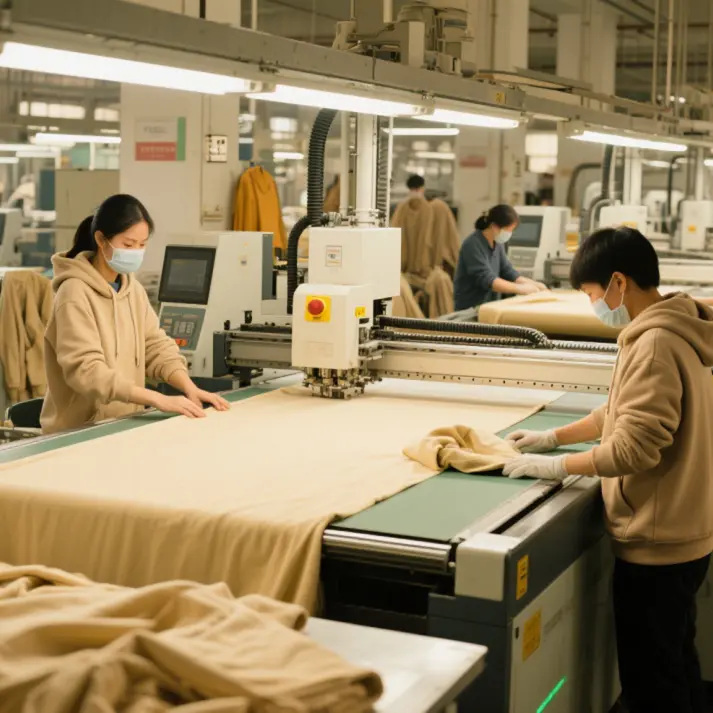
Factory Visit (If Possible) or Virtual Tour: If feasible, visit the factory. Observe cleanliness, organization, equipment condition, and worker conditions. For overseas manufacturers, a virtual tour can provide valuable insights. Understanding the steps of working with manufacturers often begins with this level of transparency.
Check Certifications and Compliance: Inquire about ethical audits (e.g., SA8000, WRAP, Sedex), quality management systems (e.g., ISO 9001), and sustainable material certifications (e.g., GOTS for organic textiles, Oeko-Tex for harmful substances).
Discuss Intellectual Property (IP) Protection: Understand how they handle client designs and whether they are willing to sign Non-Disclosure Agreements (NDAs). Protecting your unique designs is of utmost importance.
Vetting Checklist (Simplified): Consider creating your own detailed checklist covering:
Communication (Responsiveness, Clarity)
Sample Quality (Fit, Stitching, Fabric, Finish)
Production (Capabilities, MOQs, Lead Times)
Costing (Transparency, Value)
Compliance (Ethical, Quality Certs)
IP Protection
This systematic approach will help you identify the clothing manufacturers that are truly the best fit for your brand.
Navigating the Nuances: Key Considerations & Red Flags Before Signing
Making the final decision and formalizing your partnership with a clothing manufacturer involves several critical aspects. Our experience highlights key areas to focus on to avoid common pitfalls.
Understanding the Full Cost: The quoted unit price is rarely the final cost. We've learned from experience that the initial quote is merely the starting point. Always request a comprehensive Landed Cost Estimate, which includes shipping, import duties (if applicable), customs clearance fees, insurance, and any potential additional charges for rush orders or design changes. Ensure this is documented in writing before committing.
Contractual Clarity: Your manufacturing agreement is of utmost importance. Look for key clauses covering detailed quality standards and inspection procedures, how defects will be resolved and what is considered acceptable, clear payment schedules and terms, delivery timelines and penalties for delays, and intellectual property ownership and confidentiality. We strongly advise seeking legal review for significant contracts, especially if you're new to manufacturing agreements.
Building a Relationship, Not Just a Transaction: The most successful manufacturing partnerships are founded on mutual respect and clear, consistent communication. Treat your manufacturer as a partner in your brand's success, not just a supplier. This fosters collaboration and proactive problem-solving.
Red Flags to Watch For (🚩): Be vigilant for warning signs that could indicate a problematic partnership:
(🚩) Persistently poor, slow, or evasive communication.
(🚩) Unwillingness to provide detailed samples, references, or transparent factory information.
(🚩) Excessive pressure to sign contracts or unrealistic promises regarding price or speed.
(🚩) Lack of transparency about their production facility, subcontracting, or processes. Industry insights suggest that communication breakdowns and lack of transparency are leading causes of partnership failures.
(🚩) Prices that seem too good to be true—they often come with compromises in quality, ethics, or reliability.
Quality Control (QC) Process: Don't leave quality to chance. Discuss and agree on QC checkpoints throughout the production process, not just a final inspection of finished goods. Implementing best practices for apparel quality control from the start is crucial for maintaining consistency and minimizing issues.
Conclusion: Partnering for Success with Your Chosen Clothing Manufacturer
Finding the right clothing manufacturer is one of the most critical steps in building a successful fashion brand. It's a journey that demands diligence, research, and careful evaluation.
Remember, the “best” manufacturer isn't determined by a name on a list. It's about finding the perfect fit for your specific brand vision, quality standards, volume needs, and ethical commitments.
Approach your search with a clear understanding of your priorities. Emphasize clear communication, thorough vetting, and strive to build strong, collaborative partnerships. With the right approach, you can find the ideal clothing manufacturers to bring your designs to life and support your brand's growth. Start your search with confidence.