



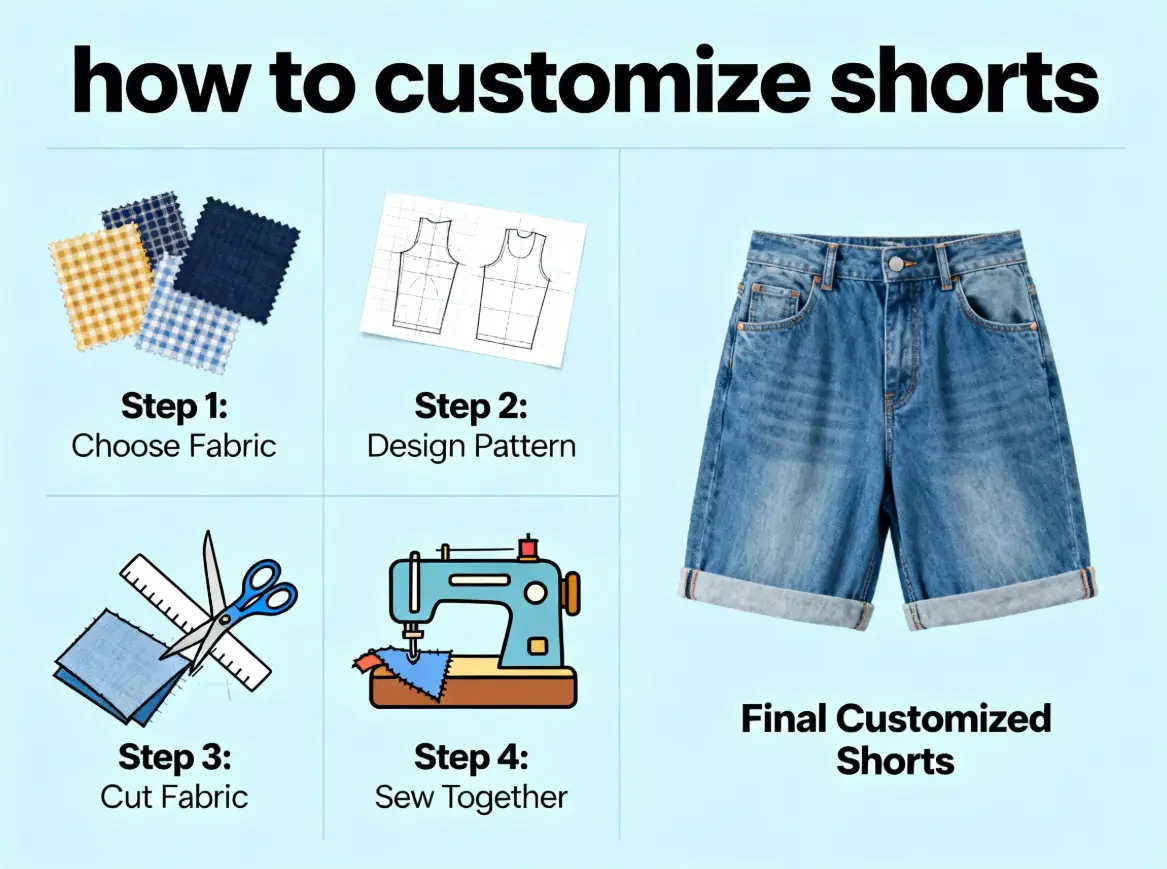
A Guide to Clothing Design: Steps & Tips for Crafting Wearables
Welcome to the realm of Clothing Design! This guide is packed with insights to help you create unique, eye-catching wearables. Whether you’re new to fashion or eager to craft your own garments, we’ve got you covered. From selecting materials and sketching designs to sewing and integrating technology, these easy-to-follow steps and tips will turn your ideas into stunning pieces.

Key Takeaways
●Master essential clothing design tips to elevate your fashion projects.
●Learn to create clothes that balance functionality and style.
●Explore must-have tools and materials for wearable fashion.
●Discover innovative techniques, including the integration of wearable tech.
●Understand best practices for ensuring your designs are durable and functional.
What Is Clothing Design?
In the fashion world, understanding clothing design is fundamental. It’s the art of conceptualizing and creating clothing and accessories, where designers blend creativity with technical skill to craft pieces that are both beautiful and practical. They must consider not just aesthetics, but also how a garment works in real life. Let’s break down its core elements.
Definition and Purpose
Clothing design involves planning and producing everything from everyday wear to high-fashion pieces. Its goals are threefold:
●Functionality: Protecting wearers from the elements.
●Expression: Letting people showcase their personal style and cultural roots.
●Commercial viability: Meeting consumer demands and driving new trends.
By keeping these goals in mind, brands can create pieces that resonate with customers while retaining their unique artistic flair.
Why Clothing Design Matters
The significance of clothing design goes far beyond looking good. Great design can:
●Celebrate individuality: Clothes tell stories—about who we are and where we come from.
●Shape trends: It influences what people choose to wear, sparking new fashion movements.
●Boost market appeal: Through thoughtful combinations of color, material, and style.
Design is a cornerstone of the fashion industry, making up roughly 10% of a brand’s efforts. A strong design starts with understanding consumer needs—it must be innovative and address a specific desire. Careful design is critical: garments that fail to stand out often struggle to sell. Collaborating with stylists and skilled designers also refines collections, ensuring each piece connects with buyers.
Creating a successful clothing line requires more than creativity; it demands careful planning and teamwork. By grasping what clothing design is and why it matters, fashion creators can craft collections that are both beloved and commercially successful.
Gathering Supplies for Clothing Design
To start designing, you need the right tools and materials. Choosing quality supplies can turn a good idea into a great finished product.
Essential Tools and Materials
Here’s what you’ll need for the design process:
●Sketchpads to jot down initial ideas
●Fabric swatches to test textures and appearances
●Sewing machines for assembling pieces
●Cutting tools like rotary cutters, scissors, and rulers
●Pattern notchers and tracing wheels for detailed work
Finding Inspiration
Inspiration is key to unique design. Draw from:
●Fashion magazines and current trends
●Vintage clothing to study classic styles
●Art and nature for one-of-a-kind concepts
For more tips on sparking creativity, check out The Creative Curator.
The Basic Process of Clothing Design
Clothing design begins with a clear vision—turning vague ideas into concrete concepts. Designers analyze trends and their target audience to create marketable pieces. This foundation is key to building successful fashion lines, with careful thought given to fabric choices and real-world use.
Ideation and Concept Development
About 70% of fashion designers start by creating pieces for themselves before expanding to design for others. Meanwhile, 80% of successful lines align with current trends and consumer preferences. Early on, it’s crucial to understand market demands: roughly 55% of shoppers are influenced by media when choosing fashion, and 60% seek unique, custom pieces not found in stores.
Designers often start with broad themes and narrow them down to specific plans. Recognizing that trends cycle every 20–30 years can also help stay ahead of the curve.
Sketching and Visualization
After planning, sketching brings ideas to life by outlining garment features. Nearly 75% of designers use CAD software for this, making it easy to share designs with Manufacturers. Sketches are vital for refining ideas before creating prototypes.
Color theory is also key—65% of designers cite it as essential for making designs appealing, and 85% of shoppers say color influences their buying decisions. Details like darts and pleats affect a garment’s fit and movement, and most clothes include 1–1.5 inches of extra room for comfort. Sketches often evolve into technical drawings, and creating a tech pack (a key communication tool with manufacturers) takes 10–15 hours.
Turning Designs into Reality
Bringing a clothing design to life involves creating detailed blueprints and selecting the right fabrics—steps that ensure your vision translates into a high-quality finished product.
Creating Detailed Blueprints
Blueprints guide the production process, requiring precise measurements and a clear understanding of garment construction. They include:
●Technical sketches with specifics like “A-line silhouette” or “6-inch off-the-shoulder neckline”
●Documentation of seams, closures, and other construction details
●Patterns and tech packs for production and quality control
Platforms like Printify simplify this process, offering over 1,000 customizable products, AI tools for image editing, and pattern-grading features to perfect your designs.
Choosing Fabrics and Textiles
The right fabric impacts a garment’s look, feel, and functionality. Key factors to consider:
●Drapability: How the fabric hangs and moves (e.g., organza is stiff, while spandex is stretchy).
●Comfort and care: Fabrics should feel good to wear and be easy to maintain.
●Testing: Using fabric swatches helps you make informed choices.
●Cost-efficiency: Use cheaper fabrics for prototypes to save money.
Printify’s offerings include:
| Feature | Details |
| Custom Products | Over 1,000 options, including apparel from brands like Champion and Adidas |
| Order Flexibility | No minimum order requirements |
| Express Delivery | 2–3 days for top-selling items |
| Support | 24/7 merchant support |
| Pricing | Competitive rates for bulk orders |
Advanced Techniques in Modern Clothing Design
The fashion industry is constantly evolving, and advanced technologies are opening up new creative possibilities for designers.
Integrating Wearable Technology
Wearable tech blends fashion with functionality, creating garments that do more than look good. Examples include clothes with sensors that track activity or smart fabrics that adapt to temperature. For instance, Google partnered with Levi’s to create a jacket woven with conductive yarns, allowing users to interact with their devices seamlessly.
Innovations in this space include:
●Embedded sensors for health monitoring
●Temperature-regulating smart fabrics
●Gesture-controlled interactive clothing
Staying updated on new technologies helps designers create unique, practical pieces that appeal to modern consumers.
3D Modeling and Simulations
3D tools are transforming how designers visualize and refine their work. Software like Tukatech lets you simulate fabric behavior, test drapery, and adjust designs digitally—improving accuracy, saving time, and reducing material waste.
Benefits include:
1.Precision: Design adjustments are more accurate.
2.Cost savings: Reduces sample-making costs by up to 30%.
3.Realistic visualization: See the finished design before production begins.
Digital tools like Digital Fashion Pro help 70% of designers work more efficiently, while digital pattern-making cuts costs and minimizes waste.
Sewing: The Foundation of Wearable Creation
Strong sewing skills are essential for turning designs into wearable pieces—whether you’re crafting classic garments or integrating tech.
Mastering Basic Stitches
The right stitch ensures a garment holds up to daily wear. Poorly stitched or low-quality fabrics are common reasons clothes get rarely worn, so investing in strong stitching and durable materials pays off.
Key tips:
●Follow patterns carefully—rushing leads to mistakes.
●Use quality tools: sharp scissors, reliable threads, and a good sewing machine.
●Practice different stitches to understand their uses (e.g., straight stitches for seams, zigzags for stretch fabrics).
Combining machine sewing with hand-sewing adds unique details, especially when integrating wearable tech, where precision is key. Sewing can also be a calming activity, encouraging focus and care.
For more guidance, books like Hand Sewing Clothing: A Guide by Louisa Owen Sonstroem offer valuable insights to help refine your skills.

Adding Electronics to Wearables
Incorporating electronics into clothing merges tech with fashion, requiring a basic understanding of circuits and components to create innovative, functional pieces.
Understanding Circuits
Circuits are the backbone of wearable electronics, consisting of a power source, conductive path, and a “load” (e.g., an LED). Designers need to layout circuits so they blend seamlessly with the garment, using tools like Fritzing to create wiring diagrams.
Wearables have unique needs: insulation to prevent short circuits, and easy access to components like batteries and switches for maintenance.
Key Electronic Components
Essential parts for wearable tech include:
●Batteries: Options like EL Wire packs or polymer lithium-ion batteries, with placement critical for comfort.
●Wires: Flexible, durable wires for connections.
●LEDs: Ideal for adding light and interactive elements.
Fabric choice matters too—some fabrics need extra support to handle the weight of electronics. Conductive threads and fabrics expand possibilities, letting you integrate tech without sacrificing style.
Using Conductive Textiles
Conductive textiles let designers embed electronic functions directly into fabric, creating interactive, tech-integrated clothing.
Working with Conductive Thread
Conductive thread is a game-changer, allowing you to create fabric circuits without bulky wires—keeping garments flexible and stylish. As one industry expert notes, “Conductive thread lets fashion designers innovate while keeping garments comfortable and visually appealing.”
Benefits include:
●Lightweight flexibility: Conductive polymers keep wearables light.
●Real-time monitoring: Smart fabrics can track heart rate or skin temperature.
●Durability challenges: Ensuring tech components hold up to wear is key.
Best Practices
To make conductive textiles work effectively:
●Secure connections to avoid malfunctions.
●Keep thread loose to prevent breakage from tension.
●Test circuits with a multimeter to check for continuity.
As fashion and tech converge, these practices help create innovative, functional wearables.
Powering Wearable Tech
Choosing the right power source is critical for wearable tech, balancing energy needs with comfort and design.
Selecting Batteries
●Small batteries (e.g., coin cells) work for low-energy wearables—they’re lightweight and unobtrusive, perfect for sleek designs.
●Larger batteries are better for high-energy devices like smart jackets, offering longer life despite their size.
Understanding your wearable’s energy needs ensures it’s practical and easy to use. Emerging technologies like flexible batteries and energy-harvesting systems (e.g., solar-powered fabrics) are making even power-hungry wearables more comfortable and stylish.
Ensuring Durability and Functionality
Wearable tech must withstand daily use and environmental factors—focusing on durability ensures your designs last.
Strain Relief
Strengthening high-stress areas prevents damage:
●Use strong, flexible wiring materials.
●Add strain relief or heat-shrink tubing to critical joints to distribute tension.
●Secure electronics with adhesive clips or brackets to limit movement.
Weatherproofing
Protecting wearables from the elements extends their life:
●Use waterproof fabrics and seam-sealing tapes.
●Choose weather-resistant connectors and seal gaps with gaskets or O-rings to block rain and dust.
By prioritizing these steps, you’ll create wearables that are not only innovative but also durable—boosting customer satisfaction and loyalty. As highlighted in industry resources, choosing sustainable materials and production methods also increases a garment’s longevity and recyclability, enhancing both its practical and emotional value.