


A Practical Guide to Customizing a Unisex Heavyweight Hoodie
For those seeking long-lasting wear, streetwear brands, or corporate teams, regular hoodies simply don't meet their quality demands. Customized, neutral, heavyweight hoodies offer both style and durability, making them a superior choice. This article will provide comprehensive guidance on the core value of heavyweight hoodies, including fabric characteristics, quality criteria, custom craftsmanship , production processes, and maintenance methods, helping you create a custom piece that combines practicality and luxury.
1. The core value of heavyweight hoodies: Why is it worth choosing?
Compared with regular hoodies, heavyweight models have advantages in many dimensions and are especially suitable for scenes with high quality requirements:
1. Super Durability : The thick fabric can withstand repeated washing and daily wear and tear, and can still maintain its shape after long-term wear, with a service life far exceeding that of ordinary models.
2. High-end texture transmission : The inherent thickness and delicate texture of the fabric can intuitively convey the "high quality" attribute, whether it is brand sales or corporate gifts, it can enhance audience recognition.
3. Excellent warmth retention : High-density fabric can effectively block cold wind and continuously lock in warmth in low-temperature environments, combining fashion and practicality.
4. Strong customization compatibility : The thick fabric provides a stable base for large-area embroidery and screen printing, is not prone to pattern deformation, falling off and other problems, and can accurately restore design details.
2. Dismantling the "heavyweight": from fabric weight to material selection
"Heavy" is not a vague concept, but a characteristic that can be quantified through specific indicators. The core needs to focus on fabric weight (GSM) and material composition, which together determine the performance and applicable scenarios of the hoodie.
(1) Classification by GSM: Fabric weight determines applicable scenarios
GSM (grams per square meter) is a key standard for measuring the thickness and weight of fabrics. Different ranges correspond to different usage requirements. The specific classifications are as follows:
| Fabric weight grade | GSM (grams per square meter) | Core application scenarios |
| lightweight | <300 | Layering (such as a sweatshirt underneath a jacket), cool summer nights, and brand promotional gifts |
| Middleweight | 300-350 | Everyday wear for all seasons, popular clothing sales, basic team clothing |
| Heavyweight | 350-500 | High-end brand core items, autumn and winter cold weather wear, workwear/outdoor scene clothing |
| Super Heavyweight | >500 | Limited edition luxury streetwear brands, Clothing Designed for extreme low temperatures in northern China, and niche apparel (such as retro workwear) |
Note: For a truly "custom heavyweight hoodie," the fabric GSM must be at least 350. If a streetwear brand pursues a luxurious feel, it is recommended to choose fabric 400 GSM or above to better highlight the brand's tone.
(2) Material selection: Suitable scenarios for pure cotton and blended fabrics
Heavyweight hoodies are mainly made of two materials: pure cotton and cotton-polyester blends. Each has its own advantages and disadvantages, and you need to choose according to your needs:
1. 100% cotton
1. The core value of heavyweight hoodies: Why is it worth choosing?
Compared with regular hoodies, heavyweight models have advantages in many dimensions and are especially suitable for scenes with high quality requirements:
1.Super Durability : The thick fabric can withstand repeated washing and daily wear and tear, and can still maintain its shape after long-term wear, with a service life far exceeding that of ordinary models.
2.High-end texture transmission : The inherent thickness and delicate texture of the fabric can intuitively convey the "high quality" attribute, whether it is brand sales or corporate gifts, it can enhance audience recognition.
3.Excellent warmth retention : High-density fabric can effectively block cold wind and continuously lock in warmth in low-temperature environments, combining fashion and practicality.
4.Strong customization compatibility : The thick fabric provides a stable base for large-area embroidery and screen printing, is not prone to pattern deformation, falling off and other problems, and can accurately restore design details.
2. Dismantling the "heavyweight": from fabric weight to material selection
"Heavy" is not a vague concept, but a characteristic that can be quantified through specific indicators. The core needs to focus on fabric weight (GSM) and material composition, which together determine the performance and applicable scenarios of the hoodie.
(1) Classification by GSM: Fabric weight determines applicable scenarios
GSM (grams per square meter) is a key standard for measuring the thickness and weight of fabrics. Different ranges correspond to different usage requirements. The specific classifications are as follows:
| Fabric weight grade | GSM (grams per square meter) | Core application scenarios |
| lightweight | <300 | Layering (such as a sweatshirt underneath a jacket), cool summer nights, and brand promotional gifts |
| Middleweight | 300-350 | Everyday wear for all seasons, popular clothing sales, basic team clothing |
| Heavyweight | 350-500 | High-end brand core items, autumn and winter cold weather wear, workwear/outdoor scene clothing |
| Super Heavyweight | >500 | Limited edition luxury streetwear brands, Clothing Designed for extreme low temperatures in northern China, and niche apparel (such as retro workwear) |
Note: For a truly "custom heavyweight hoodie," the fabric GSM must be at least 350. If a streetwear brand pursues a luxurious feel, it is recommended to choose fabric 400 GSM or above to better highlight the brand's tone.
(2) Material selection: Suitable scenarios for pure cotton and blended fabrics
Heavyweight hoodies are mainly made of two materials: pure cotton and cotton-polyester blends. Each has its own advantages and disadvantages, and you need to choose according to your needs:
1. 100% cotton
● Advantages : As a classic choice for high-quality clothing, it is soft and skin-friendly, has excellent breathability, and does not feel stuffy even when worn for a long time.
● Common knitting techniques :
● Fleece: The inside of the fabric is fluffy, which provides maximum warmth and comfort, making it suitable for close-fitting wear in autumn and winter.
● French Terry: It adopts a circular knitted structure, has a smooth and lint-free surface, and has moisture-wicking properties, making it suitable for spring and autumn or sports scenes.
● Note : If pure cotton fabrics are washed improperly (such as high-temperature washing or drying), they are prone to shrinkage and require special care.
2. Cotton polyester blend
● Mainstream ratio : 80% cotton + 20% polyester fiber is the most common, taking into account both comfort and practicality.
● Advantages : The addition of polyester fiber can enhance the strength of the fabric (reduce wear), improve color fastness (not easy to fade after long-term wear), and has better wrinkle resistance, making it suitable for frequently worn team work clothes, corporate uniforms, etc.
● Disadvantages : The breathability is slightly lower than 100% cotton, and it may feel slightly stuffy if worn in summer.
Advantages : As a classic choice for high-quality clothing, it is soft and skin-friendly, has excellent breathability, and does not feel stuffy even when worn for a long time.
Common knitting techniques :
Fleece: The inside of the fabric is fluffy, which provides maximum warmth and comfort, making it suitable for close-fitting wear in autumn and winter.
French Terry: It adopts a circular knitted structure, has a smooth and lint-free surface, and has moisture-wicking properties, making it suitable for spring and autumn or sports scenes.
Note : If pure cotton fabrics are washed improperly (such as high-temperature washing or drying), they are prone to shrinkage and require special care.
Cotton polyester blend
● Mainstream ratio : 80% cotton + 20% polyester fiber is the most common, taking into account both comfort and practicality.
● Advantages : The addition of polyester fiber can enhance the strength of the fabric (reduce wear), improve color fastness (not easy to fade after long-term wear), and has better wrinkle resistance, making it suitable for frequently worn team work clothes, corporate uniforms, etc.
● Disadvantages : The breathability is slightly lower than 100% cotton, and it may feel slightly stuffy if worn in summer.
3. Criteria for judging high-quality heavyweight hoodies: details determine success or failure
In addition to fabric weight and material, production process and detailed design are the key to distinguishing "ordinary" from "high-end". The following three dimensions can be used as the basis for quality judgment:
(1) Suture technology: the core guarantee of durability
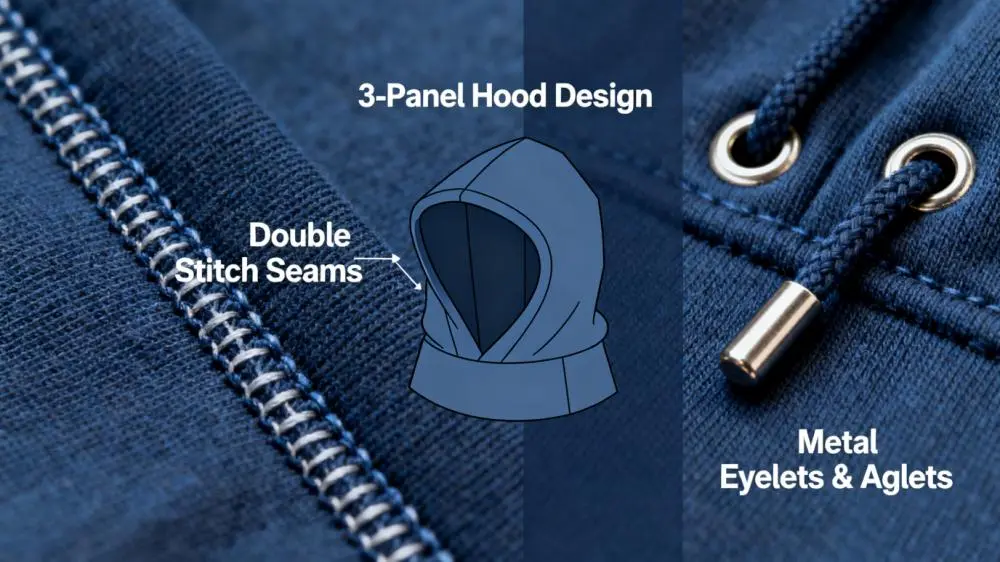
- Double-needle seams : Double-needle seams (two rows of parallel stitches) are used on stress-bearing seams like shoulders, cuffs, waistbands, and pockets. Compared to single-needle seams, double-needle seams significantly strengthen the seams, preventing them from cracking and unraveling after prolonged wear.
- Reverse weave/cross-grain cutting : Conventional hoodie fabric panels are cut lengthwise, which can easily shrink after washing, resulting in a shorter version. However, high-quality, heavyweight styles are cut crosswise (i.e., reverse weave/cross-grain construction), which can effectively prevent shrinkage and maintain the original length and version after multiple washes.
(2) Detailed design: improving texture and wearing experience
- Ribbing : The ribbing on the cuffs and waist should be thick 1×1 or 2×2 in size and have moderate elasticity - it can fit closely to the body (blocking cold wind) but will not become loose and deformed due to excessive stretching, and it can still maintain a tight feeling after long-term wear.
- Hat structure : Cheap hoodies are mostly two-piece hoodies with a flat shape that is easy to collapse; high-quality models use a three-piece splicing design that can naturally fit the contours of the head and avoid the embarrassing "peak". Some high-end models will also add lining on the inside of the hood to enhance warmth and refinement.
- Hardware accessories :
- Metal eyelets: The hole through which the drawstring is passed needs to be equipped with a metal eyelet, rather than simply reinforced with stitching. This can prevent edge wear and fuzzing and extend service life.
- Drawstring ends (Aglets): They must be made of metal or high-quality injection molding. Avoid using cheap plastic caps or tying knots directly. Quality is reflected in the details.
4. Customized process matching: choose the right method to restore the design texture
The thick fabric of heavyweight hoodies requires specific customization techniques. Choosing the wrong process can cause the pattern to crack, fall off, or compromise the texture. The following is an analysis of the compatibility of three mainstream customization methods:
| Customized process | Core Advantages | Potential shortcomings | Best Use Scenario |
| Screen printing | 1. Low cost for bulk orders (24 pieces and above) and high cost performance 2. Bright and saturated colors with strong visual impact, suitable for creating eye-catching designs | 1. Dark fabrics require additional white "backing" printing, which increases costs and production time. 2. The ink thickness must be precisely controlled to avoid a stiff feeling on thick fleece fabrics. | Large brand logos, bold graphic designs, event souvenirs, and corporate employee uniforms |
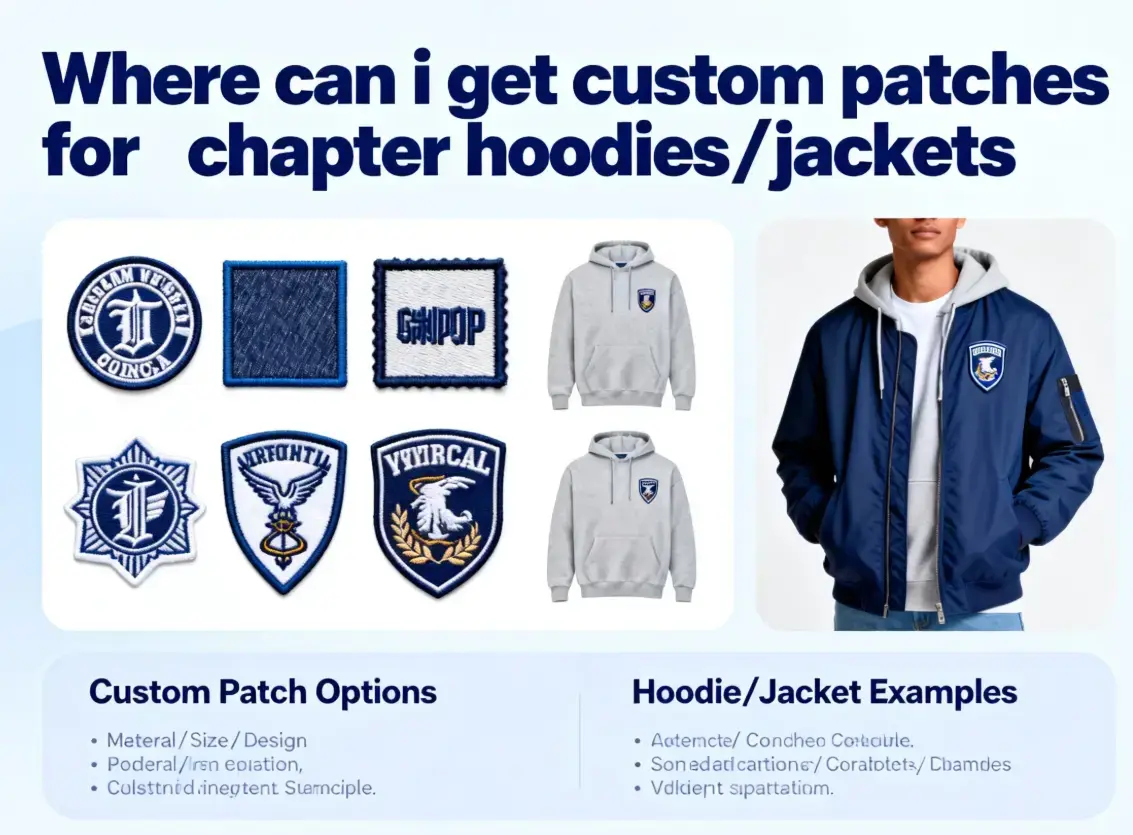
| embroidery | 1. The three-dimensional texture is obvious, with high-end texture, which improves the grade of clothing. 2. The needlework is firm, wear-resistant and wash-resistant, and the service life is synchronized with the fabric. | 1. Cost is higher than printing, especially for large-area designs (charged by stitch count). 2. Unable to produce photo-quality details or very small text (easy to blur). | Small chest logo, brand letter logo, cuff decoration, high-end gift clothing (such as customer appreciation gift) |
| Direct-to-garment (DTG) | 1. Can reproduce complex multi-color designs (such as photos, illustrations, gradient effects) 2. No minimum order quantity limit, suitable for small batch customization or personal exclusive designs | 1. Best results on 100% cotton fabrics, blended fabrics may result in darker colors 2. The texture of thick fleece fabrics may affect the clarity of fine patterns | Niche art designs, small-batch brand trial products, and personalized customization (such as commemorative patterns) |
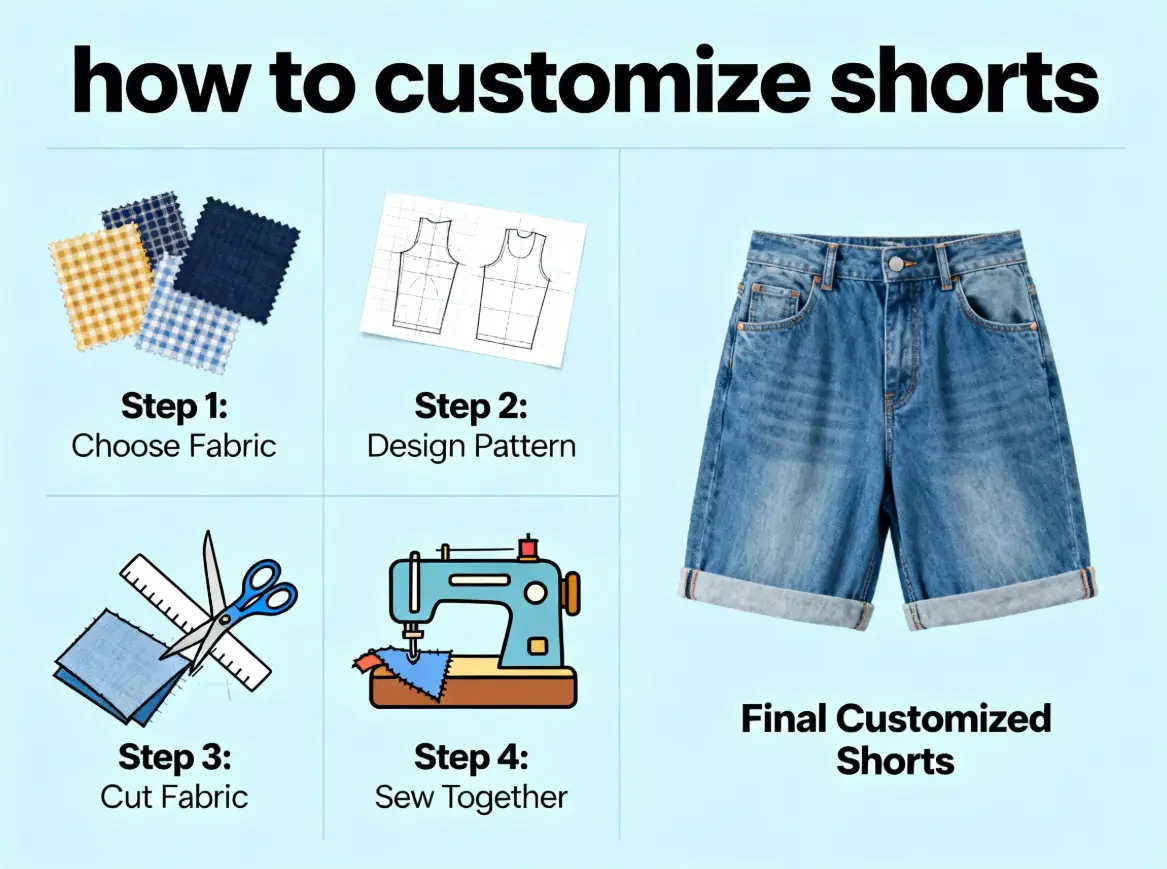
5. 4-step process for customizing a heavyweight hoodie: from idea to finished product
The seemingly complex customization process can be efficiently carried out in just four steps after disassembly, ensuring that the final product meets expectations:
1. Finalize design and technical documents
Prepare high-resolution design files first: Vector images (AI, EPS format) can be infinitely scaled without distortion and are suitable for logos, text, and other designs. For photos or illustrations, raster images (PNG, PSD format) with a DPI of 300 or higher are required.
If it is a brand batch customization or a complex project, it is recommended to create a "Tech Pack" - clearly mark the design location (such as 10cm×8cm chest), color number (such as Pantone color card number), and special process requirements (such as embroidery density) to avoid communication errors.
2. Filter blank hoodies and confirm quantity
Combining the fabric knowledge mentioned above, determine key parameters: fabric weight (GSM), material (cotton/blended), and production process (e.g., reverse weave). Use a professional platform to select high-quality, blank, heavyweight hoodies as your "canvas." Also, clarify the size range (e.g., S-XXL) and total order quantity to prepare for subsequent quotes and production.
3. Choose a professional manufacturer
Prioritize collaborations with Manufacturers with experience in high-quality apparel production, particularly those specializing in streetwear or high-end pieces (such as SYH Streetwear ). Ensure their communication efficiency (e.g., timely response to requests) and process capabilities (e.g., ability to achieve embroidery/printing details). A professional team should be able to provide fabric recommendations, process optimization, and other advice to mitigate customization risks.
4. Confirm digital sample and start production
Before production begins, the manufacturer will provide a digital mockup (a simulation of how the design will actually appear on the hoodie). Each mockup is carefully reviewed for spelling, color fidelity, and pattern size and placement (e.g., centering). After confirmation, the designer signs off on the design. This final step is the final "error correction" to avoid rework due to minor omissions.
6. Heavy Hoodie Maintenance Guide: Extending Lifespan
High-quality custom heavyweight hoodies require proper care to maintain their long-term quality. The specific methods are as follows:
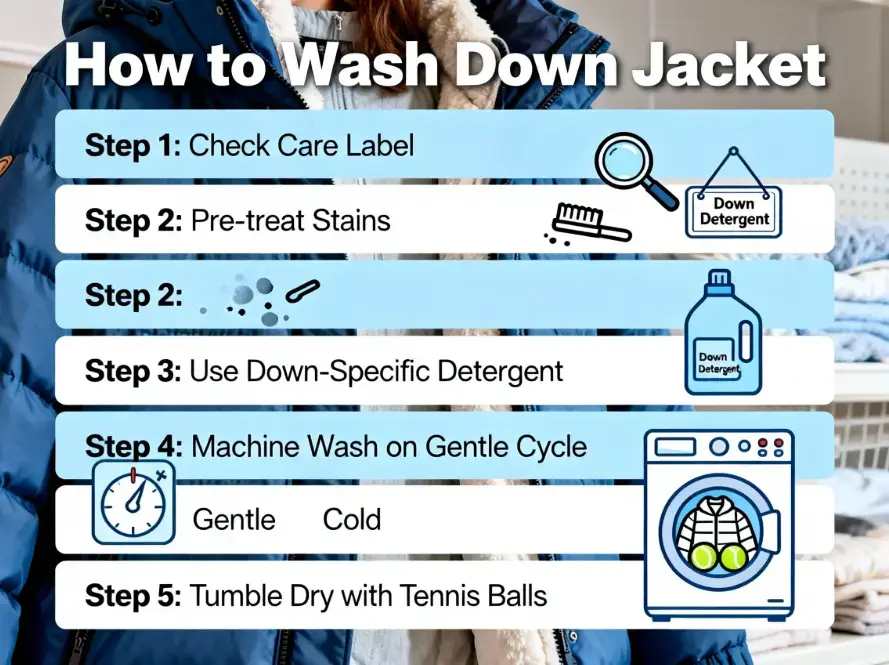
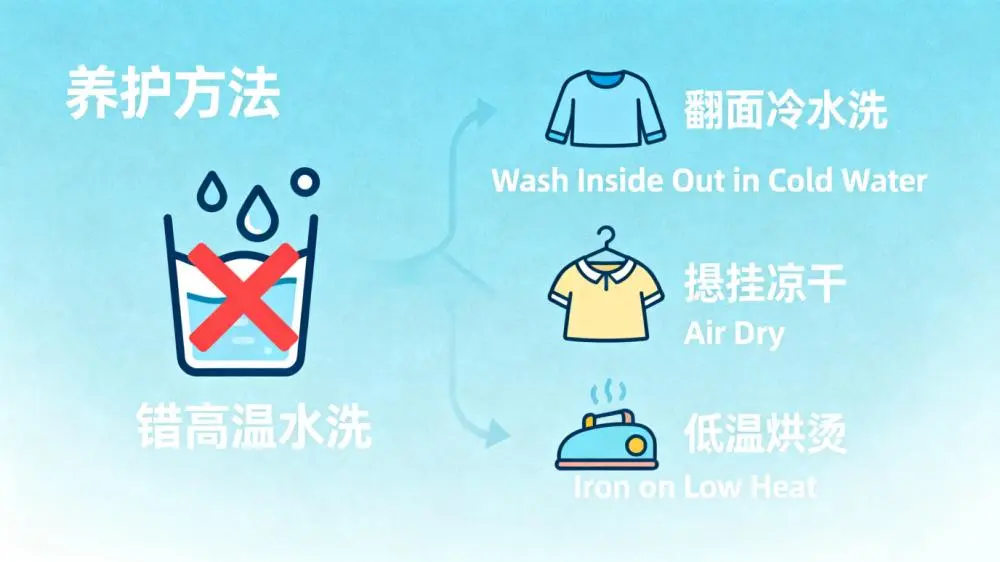
● Turn the fabric inside out when washing and wash with cold water (water temperature ≤ 30°C) to avoid direct friction between the custom pattern and the inner wall of the washing machine.
● Select the delicate wash cycle and use a mild detergent (avoid products containing bleach).
● It is recommended to hang it to dry (air dry naturally). If you use a dryer, adjust it to the lowest temperature (≤40℃) to prevent the fabric from shrinking and the pattern from cracking.
● Never iron directly on printed or embroidered patterns. If ironing is necessary, place a layer of cotton cloth over the pattern and iron quickly at a low temperature.
VII. Conclusion
Customizing a unisex heavyweight hoodie requires far more than simply printing a logo—it requires precise matching of fabric properties, meticulous craftsmanship, and tailored customization methods to create a product that combines durability, quality, and design. Whether a streetwear brand is creating a core piece or a company is customizing team apparel, a high-quality heavyweight hoodie can become a "walking business card," conveying brand values and team spirit. If you're ready to start customizing , explore our professional customization services or contact our team to transform your creative ideas into high-quality finished products.