


DIY Fashion: Craft Your Own Clothing Designs
Welcome to the world of DIY fashion! Ever dreamed of making your own clothes or adding a personal twist to your wardrobe? You’re in exactly the right place. We’ll walk you through creating custom fashion pieces from start to finish, teaching you all the tricks of the trade. Let’s dive in and Make Clothes that screamyour unique style!
Key Takeaways
●Explore the perks of making your own clothes, from saving money to rocking one-of-a-kind pieces.
●Learn how to hunt for inspiration and figure out your personal design style.
●Stock up on essential sewing tools—whether you’re a newbie or a seasoned pro.
●Discover different fabrics, where to buy them, and why sustainable choices matter.
●Follow step-by-step instructions for planning, cutting, sewing, and finishing your designs.
●Tap into online resources like YouTube channels, blogs, and forums to keep learning and get support.
Getting Started with DIY Fashion
Starting your DIY fashion journey is a total thrill—it lets you break free from generic store-bought clothes. Let’s explore why it’s worth it, where to find ideas, and how to make your style shine.
Why DIY Fashion?
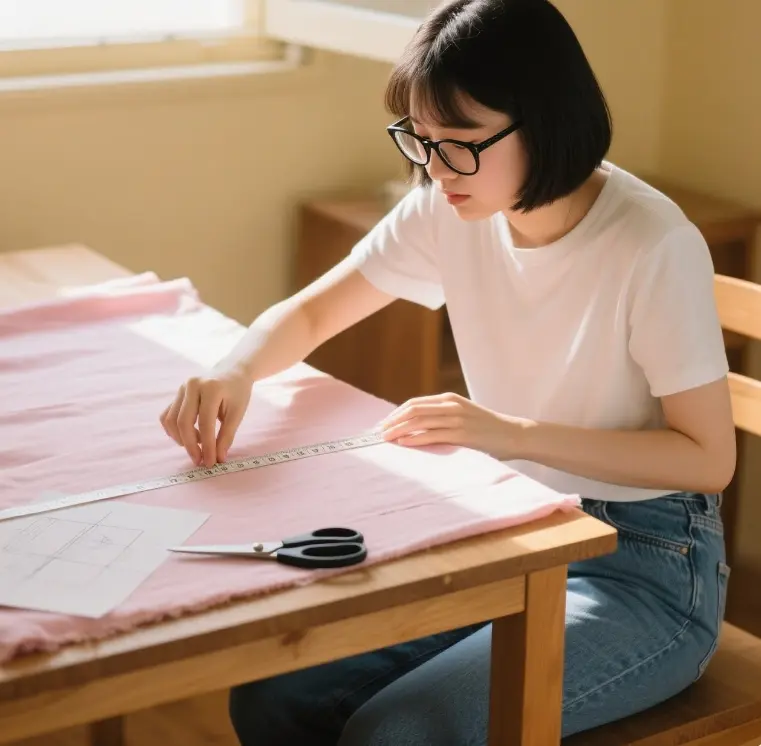
DIY fashion isn’t just a way to save cash—it’s a chance to turn your wildest ideas into wearable art. Beginners love the pride that comes with rocking something no one else has, and let’s not forget: it’s way easier on the planet. Reusing fabric scraps can cut costs by half for new sewers, which is a win-win.
Gathering Inspiration
Fashion ideas are everywhere if you know where to look: runways, street style, vintage shops, even your grandma’s old photo albums. Pinterest and Instagram are goldmines for trends, while sites like Fabrics-Store.com offer free patterns to get you started. Whether you’re into retro vibes or futuristic looks, there’s no shortage of inspiration.
Finding Your Style
Figuring out your style is part of the fun. Ask yourself: What do I reach for in my closet on lazy days? What makes me feel confident? Keeping a sewing journal helps track your evolving taste—80% of DIYers swear by it. New to sewing? Start with fabric scraps (70% of beginners do!) to test ideas without stress. Knowing your style helps you pick projects and fabrics that feel you.
Essential Sewing Supplies and Tools
Whether you’re just starting or leveling up, the right tools make all the difference. Here’s what you need to build your sewing kit.
Must-Have Tools for Beginners
New to sewing? These tools are non-negotiable. Grab a beginner-friendly sewing machine—brands like Singer or Brother are reliable and usually under $300. You’ll also need:
●Bobbins (stock up—you’ll lose them, trust us)
●Zipper and buttonhole feet (game-changers for tricky details)
●Needles for different fabrics (thick vs. thin—one size doesn’t fit all)
Don’t skimp on good scissors: fabric shears, pinking shears, and paper scissors (keep them separate!). A tailor’s ham and point turner will make your finished projects look pro, not homemade.
Advanced Tools for Pros
Ready to step up your game? Advanced tools can take your sewing to the next level. Industrial machines from Juki are workhorses, and the Singer 4411 handles thick fabrics like a champ. Add these to your kit:
| Equipment | What It Does |
| Serger (Overlocker) | Gives seams a clean, finished look—perfect for knits. |
| Tune Turner | Makes turning tiny fabric tubes (like straps) a breeze. |
| Simflex Gauge | Ensures buttons and pleats are evenly spaced. |
| Jean-a-ma-jig | Essential for sewing through thick layers (looking at you, denim!). |
A high-quality iron (try Rowenta or Shark) is a must—crisp seams make even basic projects look polished. And let’s be real: a tidy workspace? It’ll boost your creativity.
Choosing the Right Fabric
Picking fabric is make-or-break for your project. The texture, how it drapes, and how it feels against your skin all matter. Let’s break down your options, where to buy them, and how to choose sustainably.
Types of Fabrics
Know your fabrics to avoid sewing headaches:
●Cotton: A total beginner favorite—it’s easy to sew and works for everything from tees to skirts.
●Linen: Luxurious but wrinkle-prone. Great for summer, but watch out for fraying.
●Silk: Gorgeous drape for fancy dresses, but slippery to sew—save it for when you’re comfortable.
●Denim: Sturdy for jackets or jeans. Go for 100% woven denim for the best results.
●Jersey: Stretchy and perfect for leggings or fitted tops. Use a ballpoint needle to avoid snags.
Fabrics come in 45 or 60-inch widths. When in doubt, buy 2–3 meters—you can always use leftovers for small projects.
Where to Buy Fabrics
●Local Shops: Nothing beats touching and feeling fabric in person to check color and drape.
●Online Stores: Joann Fabrics and Mood Fabrics have huge selections, plus reviews to guide you.
Pro tip: Set aside 10% of your budget for surprise costs—extra fabric, thread, or that cute button you had to have.
Sustainable Fabric Choices
Eco-friendly fabrics aren’t just good for the planet—they’ll make your designs stand out. Look for:
●Organic Cotton: Grown without harsh chemicals (better for you and farmers).
●Recycled Polyester: Made from plastic bottles—stretchy and durable.
●Hemp: Super tough and grows with minimal water or pesticides.
Certifications like GOTS or OEKO-TEX mean the fabric is truly sustainable—trustworthy labels to look for.
Finding and Using Patterns
Patterns are your roadmap to great-fitting clothes. Whether you’re a newbie or a pro, here’s how to find, use, and even create your own.
Free Online Patterns
Starting out? Free patterns are a lifesaver. Sites like Seamwork and BurdaStyle have options for every skill level—no cost, just download and start. Many brands share free patterns to hook beginners, so take advantage!
Commercial Patterns
Need something more detailed? McCall’s, Simplicity, and Vogue patterns are tried-and-true. They’re labeled by skill level, so you won’t bite off more than you can chew. Pro move: Measure your bust, waist, and hips to pick the right size—sizing charts on patterns are not the same as store-bought clothes.
Creating Your Own Patterns
Designing your own patterns is where the magic happens—you’ll get clothes that fit your body perfectly. Start with basics: a simple top, A-line skirt, or straight-leg pants. These “blocks” can be tweaked into endless designs.
It might feel intimidating at first, but learning to adjust patterns is worth it. Try easy projects first, like a loose tank top, to get the hang of it. For help, check out guides like Clothing Patterns 101—it’s full of tips for beginners.
Step-by-Step Guide to Making Your Own Clothes
Making clothes is exciting and rewarding—whether you’re a newbie or brushing up. Follow these steps to turn ideas into wearable pieces.
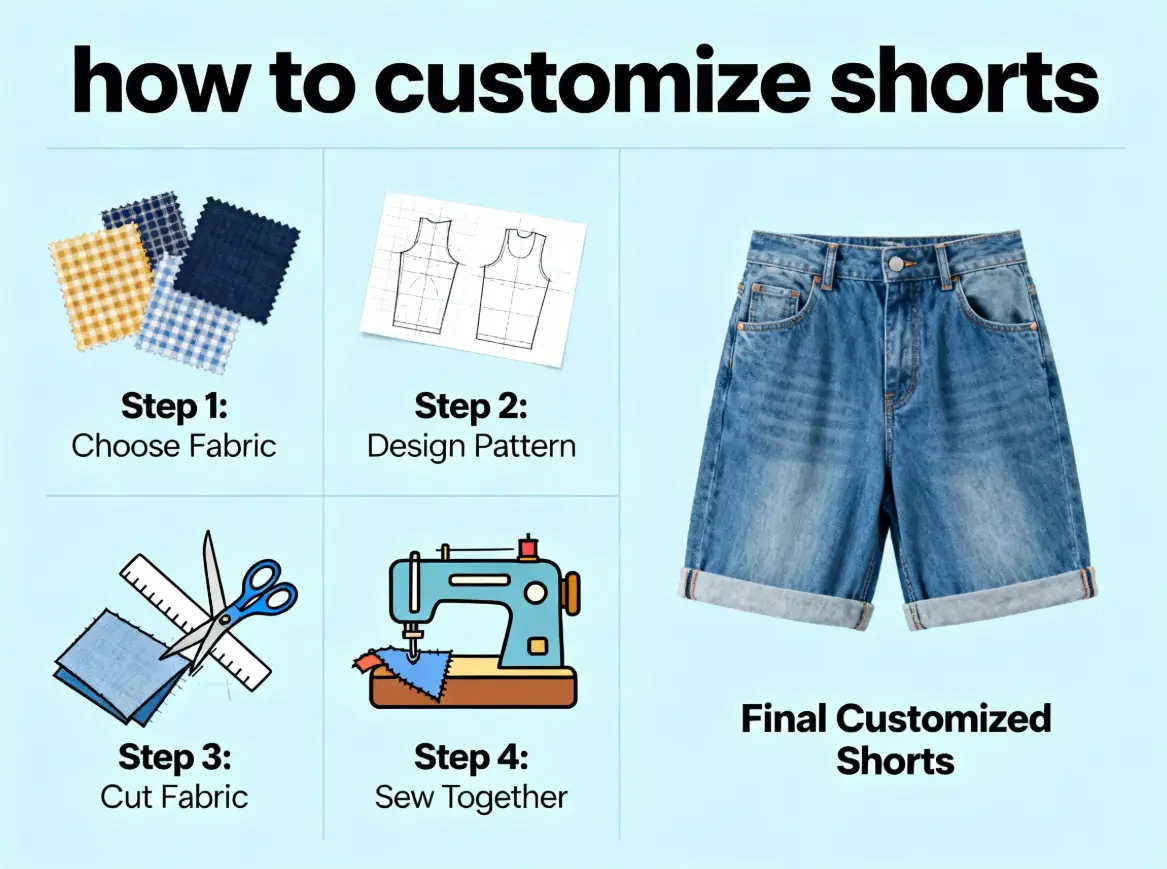
Step 1: Plan Your Design
Start by sketching your idea. Look at trends (90% of successful DIYers do!) but add your twist. Use free design tools like Canva to refine your vision—CAD software for fashion is booming, expected to hit $1.1 billion by 2026. Colors matter too: 85% of people judge clothes by color first, so pick hues that make you happy.
Step 2: Prep Your Fabric
Once you’ve got your design, choose fabric that matches—heavy fabric for structured pieces, light for flowy ones. Pre-wash it to prevent shrinking later (trust us, you’ll thank us). Iron it, then lay it flat—alignment is key for a professional look.
Step 3: Cut Your Fabric
Lay out your pattern on the fabric, making sure the grain lines (those little arrows) run straight. Pin it down so it doesn’t shift, then cut carefully. Clean cuts make sewing way easier—no uneven hems here.
Step 4: Sew It All Together
Time to sew! Start with small seams and work your way up. Take it slow—neat stitching makes clothes last longer. About 55% of up-and-coming designers say sewing skills are their secret weapon, so practice makes perfect.
Step 5: Add Finishing Touches
Hemming, buttons, zippers—these details make your clothes look polished. Add unique touches, like hand-stitched embroidery or fun buttons, to make it one-of-a-kind. Nearly 65% of shoppers crave unique pieces, so don’t hold back!
Follow these steps, and you’ll be rocking your own designs in no time. Whether it’s a hobby or a side hustle, these skills will make you proud.
Tips and Tricks for Beginners
Starting DIY fashion is thrilling, but it has its bumps. These tips will help you avoid mistakes and build confidence.
Start with Simple Projects
New to sewing? Pick projects that don’t require fancy skills. Try:
●Basic tote bags (great for practicing straight seams)
●Elastic-waist skirts or shorts (no zippers, no stress)
●Tea towels or pillowcases (perfect for learning hems)
These projects are doable, and finishing them will give you a huge confidence boost.
Avoid Common Mistakes
Even pros mess up—here’s what to watch for:
1.Skipping practice: Test stitches on scrap fabric first.
2.Rushing: Sewing takes time. Hurrying leads to wonky seams.
3.Ignoring grain lines: Fabric stretches with the grain—ignore it, and your top might sag.
4.Dull scissors: Blunt scissors make ragged cuts. Sharpen them!
5.Skipping ironing: Iron seams as you go—your project will look way neater.
| Factor | Beginner Projects | Advanced Projects |
| Difficulty | Super easy | Pretty tough |
| Time Needed | A few hours | Days (or weeks!) |
| Cost | 0–100 (use scraps!) | $1000+ (fancy fabrics!) |
Making Custom Accessories
Accessories are a fun way to level up your DIY game—they’re quick to make and let you show off your style.
Hats and Headwear
Designing hats is easier than you think. Use wool for winter beanies or cotton for summer sun hats. Add patches, fabric paint (which costs 3–10), or iron-ons for personality. Pro tip: Bleach creates cool patterns on dark fabrics—just test a scrap first!
Bags and Purses
Making bags is practical and creative. Use sturdy fabric like canvas or denim, or upcycle old jeans (eco-friendly and trendy). 40% of shoppers love sustainable brands, so reusing materials is a win. Add embroidery or paint—60% of DIYers swear by it for extra flair.
Socks and Shoes
Custom socks and shoes are total conversation starters. Dye plain socks, add iron-on designs, or paint canvas sneakers. Brands like Custom Ink let you personalize without ordering bulk—perfect for testing ideas.
Using Online Resources and Communities
The DIY fashion world is huge online—use it to learn, connect, and get inspired. With online clothing sales hitting $180.5 billion in 2022, there’s no shortage of tips and tricks out there.
YouTube Channels
Learn by watching! Channels like WITHWENDY, The Essentials Club, and Mikelle Drew break down sewing techniques step-by-step. It’s like having a teacher in your living room.
DIY Fashion Blogs and Websites
Blogs are goldmines for trends and tutorials. Check out Sew DIY, Tilly and the Buttons, or Sewing Pattern Review for honest advice. With U.S. online clothing sales projected to hit $295.7 billion by 2025, staying in the loop keeps you ahead.
Sewing Forums and Groups
Join communities to ask questions, share projects, and troubleshoot. PatternReview.com and Facebook groups like “Sewing Patterns and Fabric” are full of friendly pros and newbies. 70% of people learn about brands through content, not ads—so these groups are also great for staying on top of trends.
Ready to start? Grab your fabric, fire up your machine, and let’s make something awesome. DIY fashion is all about having fun and being you—so get creative!