






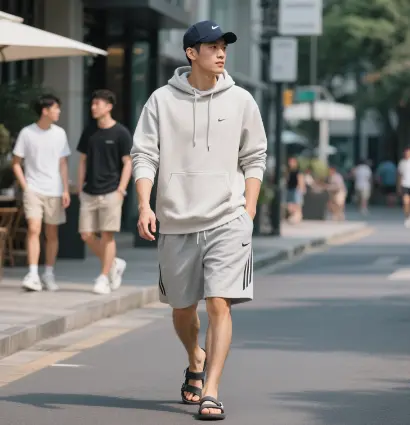
Efficient Sweatshirt Folding Guide: Organize Your Wardrobe Like a Pro
Ever struggled to find a sweatshirt in your chaotic drawer? What if there’s a simple way to end the mess and simplify your life? Mastering the art of folding sweatshirts can save time, maximize drawer space, reduce wrinkles, and keep your wardrobe impeccably organized. Whether you’re packing for a trip or tidying your room, proper folding is key to preserving your sweatshirts’ shape and longevity. The Apparel Factory recommends perfecting this skill—brands like Sport-Tek and Port & Company all benefit from folding techniques that keep them looking fresh wear after wear.
Key Insights
Maximize drawer space with professional sweatshirt folding techniques.
Minimize wrinkles for effortlessly wearable, smooth garments.
Maintain fabric integrity and extend the lifespan of your sweatshirts.
Streamline selection and closet maintenance by color or style.
Optimize storage with drawer dividers and vacuum-sealed bags.
Consistency in folding creates a neater, more visually appealing closet or suitcase.
The Basics of Sweatshirt Folding
Effective clothing organization starts with understanding each garment’s needs. Bulkier than t-shirts, sweatshirts require a specialized folding approach to maintain their structure. Here’s a step-by-step method that enhances laundry organization and cares for your fabric:
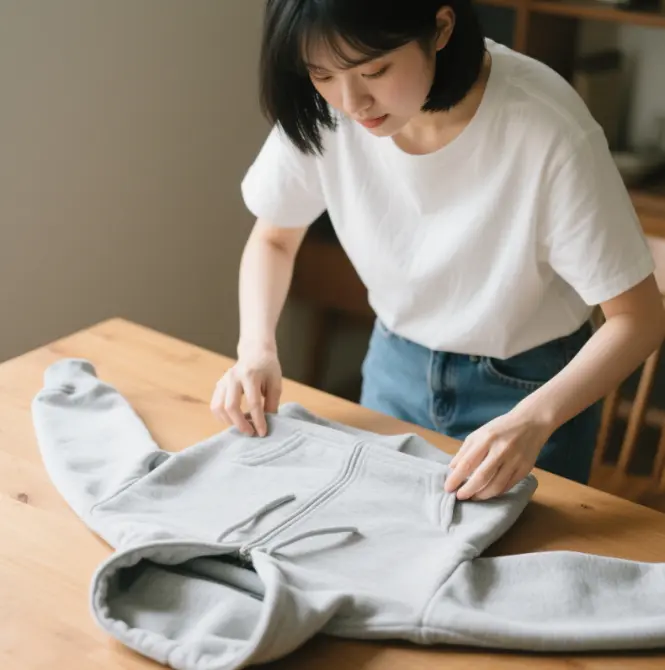
1.Lay the sweatshirt face down on a clean, flat surface, smoothing out all wrinkles.
2.Align the sleeves with the body to prevent stretching or misshaping during folding—critical for long-term clothing care.
3.Fold one side (including the sleeve) toward the center, ensuring a flat, even fold.
4.Repeat with the other side, checking for symmetry.
5.Fold the bottom up in sections, creating a compact shape ready for drawer or shelf storage.
This method mirrors Marie Kondo’s KonMari philosophy: folding to respect the garment’s shape and material. Professional organizer Caitlin Jaymes emphasizes dedicating a specific closet zone for sweatshirts—a simple strategy to enhance accessibility and maintain order while prioritizing clothing care.
The goal? Reduce bulk without compromising shape, making outfit selection effortless and visually pleasing. Incorporating these laundry organization habits into your routine protects both your space and your sweatshirts’ appearance.
Folding Techniques for Every Scenario
The Classic Fold
Start with a flat surface—85% of respondents agree this is essential for neatness. Smooth wrinkles (68% prioritize this step) and align sleeves (92% consider it key) before folding the sweatshirt in half with sleeves tucked. Fold the bottom up once or twice based on size for a polished finish. Detailed visual guides can help perfect each step.
Drawer Organization: The Filing Method
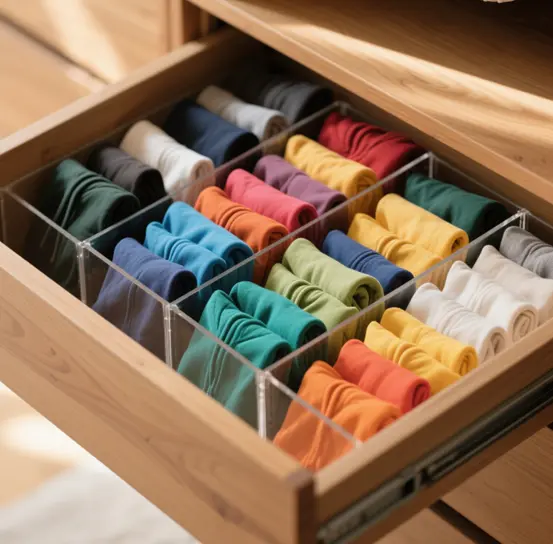
For drawer storage, follow the classic fold then fold once more for a snug fit. This "filing" technique, used by 62% of respondents, keeps items visible and accessible—no more digging through piles.
Shelf Stacking: Stability & Symmetry
When stacking on shelves, consistency is key. Fold sweatshirts into uniform shapes and group by size (80% find this helpful). Place larger items at the base for stability, creating a tidy shelf display.
| Statistic | Recommendation (% Respondents) |
| Flat surface pre-fold | 85% |
| Wrinkle smoothing | 68% |
| Sleeve alignment | 92% |
| Bottom fold | 75% |
| Prefer drawer storage | 62% |
| Category organization on shelves | 80% |
Tips for Oversized & Bulky Sweatshirts
Folding larger sweatshirts requires adaptation. Here’s how to maintain order:
1.Lay face down, fold sleeves flat against the back, aligning with the body.
2.Fold the bottom up to the mid-back, then fold again to meet the collar, creating a compact rectangle.
3.For extra security, tuck the bottom edge into a pocket—ideal for travel or tight spaces.
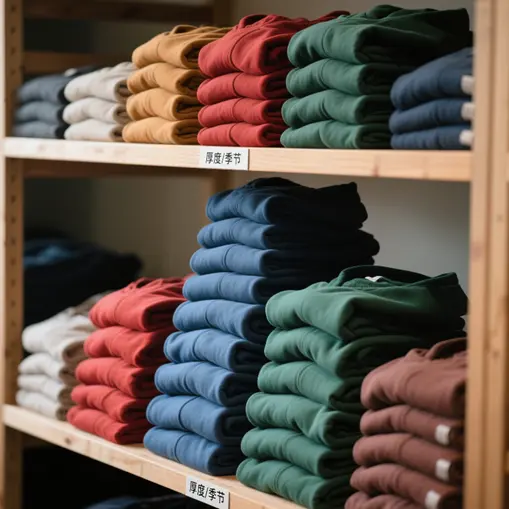
Storage solutions like under-bed drawers and shelving with dividers keep bulky items flat and accessible, minimizing creases. Remember: delicate fabrics need gentle handling. Thick knits should lie flat on shelves to avoid stretching from hanging.
| Folding Method | Space Efficiency | Accessibility | Fabric Care |
| Traditional fold & tuck | High | Medium | Good |
| Rolling | Medium | High | Depends on material |
| Flat shelving | Low | Low | Excellent |
| Under-bed drawers | High | High | Good |
Innovative Methods & Tools
The Fold-and-File System
Transform drawer chaos by standing folded sweatshirts vertically, like files. Inspired by Marie Kondo, this method maximizes visibility and space—no more rummaging. Perfect for both KonMari devotees and efficiency seekers.
Folding Aids for Precision
Tools like folding boards (recommended by UC Berkeley research for space optimization) ensure consistent, precise folds. Ideal for travelers or anyone craving a uniform wardrobe, these aids turn folding into a science, maximizing storage efficiency with every crease.
Maintaining Sweatshirt Quality
Smart Storage Strategies
Seasonal Rotation: Swap out sweatshirts by season to reduce wear and tear.
Anti-Stretch Hanging: Avoid hanging heavy sweatshirts; opt for folding to preserve shape.
Category Organization: Group by type (e.g., zip-ups vs. pullovers) for quick access.
Common Mistakes to Avoid
1.Skipping wrinkle smoothing—leads to permanent creases.
2.Misaligned folds—cause uneven storage and fabric stress.
3.Over-stacking—5+ layers can misshape garments.
Proper care ensures your sweatshirts stay vibrant and functional for seasons to come.
Final Thoughts
Folding sweatshirts is more than tidying—it’s a practice of care for your wardrobe and space. Data speaks volumes: 72% achieve better results on flat surfaces, 88% prioritize wrinkle-free folds, and 91% use organized storage systems. These habits extend beyond aesthetics; they enhance efficiency, reduce waste, and elevate daily routines.
Whether you’re folding a Sport-Tek athletic sweatshirt or a cozy J America pullover, each precise fold is an investment in longevity. So take the time—your organized drawer and lasting wardrobe will thank you. After all, every neat fold is a step toward a more intentional, stress-free life.