



How to create your own custom acid-washed hoodie
Acid-washed hoodies have become a staple in street fashion, known for their unique faded, distressed look that blends retro vibes with modern edge. If you’ve ever wondered “How to create your own custom acid-washed hoodie,” you’re in the right place—crafting a one-of-a-kind piece isn’t just about achieving the perfect wash effect; it’s about combining (acid-washing technique) with personal design touches that reflect your style.
Whether you’re a fashion enthusiast looking to DIY a statement piece, a small brand owner aiming to launch a unique collection, or someone who wants a hoodie that stands out from mass-produced options, this guide will walk you through every step. From selecting the right hoodie base and gathering safety tools to mastering the acid-washing process and adding custom details like prints or embroidery, we’ll break down “How to create your own custom acid-washed hoodie” into actionable, beginner-friendly steps. By the end, you’ll have the skills to turn a plain hoodie into a personalized acid-washed masterpiece that’s both stylish and durable.+
Core preparations for creating a custom acid-wash hoodie (tools, fabric selection)
Before diving into the acid-washing process, proper preparation is key to ensuring safety, achieving the desired effect, and avoiding mistakes that could ruin your hoodie. This step is foundational to answering “How to create your own custom acid-washed hoodie,” as the right tools and materials will directly impact the final result.
Choose the right hoodie base (fabric, color, fit)
The base hoodie you choose will determine how the acid wash reacts—different fabrics and colors yield distinct results. Here’s what to look for:
- Fabric Type: Prioritize 100% cotton or cotton-blend hoodies (at least 80% cotton). Cotton absorbs the acid solution evenly, creating the classic faded, mottled acid-wash effect. Avoid synthetic fabrics like pure polyester, as they resist acid and may melt or discolor irreparably. Heavyweight cotton hoodies (280-350g/m²) work best—they hold their shape during washing and showcase the distressed texture more effectively than lightweight options.
- Base Color: Dark colors are ideal for acid washing, as the acid will strip the dye to reveal lighter, faded tones. Black, deep navy, forest green, or burgundy hoodies create the most dramatic contrast (e.g., a black hoodie will turn into a smoky gray with white streaks). Light-colored hoodies (white, beige) won’t show a noticeable acid-wash effect, so save them for other customizations.
- Hoodie Style: Choose a 版型 that fits your vision. Oversized hoodies highlight the relaxed, streetwear feel of acid wash, while slim-fit styles offer a more polished look. Ensure the hoodie is new or gently used (no stains or existing damage)—stains can react unpredictably with acid, and pre-worn fabric may tear during the washing process.
Necessary tools and safety equipment (to avoid acid injuries and ensure smooth operation)
Acid washing involves working with corrosive substances, so safety gear is non-negotiable. Gather these tools before starting:
- Acid Solution: The most common acid for DIY acid washing is sodium hypochlorite (bleach)—household bleach (5-8% concentration) works for beginners, as it’s milder and easier to control than industrial acids like hydrofluoric acid. For a more intense, vintage effect, mix bleach with a small amount of hydrogen peroxide (3% concentration) in a 3:1 ratio (bleach to peroxide).
- Application Tools: Use spray bottles (for creating splatter or gradient effects), foam brushes or sponges (for targeted distressing on sleeves or the hood), and rubber gloves (thick, chemical-resistant gloves—never use thin latex gloves, as acid can seep through).
- Neutralizing Agent: After acid washing, you’ll need to stop the chemical reaction. White vinegar (distilled, 5% acidity) or baking soda (dissolved in water) works well—both neutralize bleach effectively.
- Protective Gear: Wear safety goggles (to shield eyes from splashes), a face mask (to avoid inhaling bleach fumes), and olD Clothing or an apron (bleach will permanently stain fabric).
- Washing Supplies: A plastic tub or bucket (never use metal, as bleach reacts with metal to create toxic gases), a hose or sink for rinsing, and mild detergent for the final wash.
- Optional Tools: Sandpaper (fine-grit, 220-320 grit) for adding extra distressing (e.g., frayed cuffs or a worn neckline), and chalk or fabric markers for marking areas you want to target with acid.
Step-by-step process and key technical points for acid-washing hoodies
Mastering the acid-washing process is the core of “How to create your own custom acid-washed hoodie.” Follow these steps carefully to achieve a consistent, professional-looking effect—whether you want a subtle fade or bold, high-contrast streaks.
Step 1. Pre-treating the hoodie (removing impurities and ensuring even acid reaction)
- Start by washing the hoodie in cold water with mild detergent (no fabric softener). Fabric softener leaves a residue that prevents acid from adhering evenly, so skip it.
- Dry the hoodie completely—damp fabric dilutes the acid solution, leading to uneven results. Tumble dry on low heat or air dry for 24 hours.
- If you want targeted distressing (e.g., only the hood or sleeves), use chalk to mark the areas. For a full-body acid wash, skip marking and proceed to the next step.
Step 2. Prepare acid solution and test the effect (avoid excessive concentration to avoid damaging the fabric)
- Mix the Acid Solution: For beginners, mix 1 part bleach with 2 parts water in a plastic spray bottle or bucket. This 1:2 ratio is mild enough to control but strong enough to create a noticeable fade. If you want a more intense effect, use a 1:1 ratio (bleach to water)—test this on a small, hidden area first (e.g., the inside of the hood) to avoid over-dyeing.
- Test on a Swatch: Cut a small piece of fabric from the hoodie’s hem (or use an old cotton t-shirt) and apply the acid solution. Let it sit for 5-10 minutes, then rinse with water and neutralize with vinegar. Check the color—if it’s too faint, increase the bleach concentration; if it’s too light or damaged, dilute the solution further.
Step 3. Apply acid (spray, apply or soak according to design requirements)
The application method determines the final look—choose one based on your vision:
- Spray Method (Splatter/Gradient Effect): Fill a spray bottle with the acid solution. Lay the hoodie flat on a plastic sheet (outdoors or in a well-ventilated area, like a garage). Hold the spray bottle 6-12 inches from the fabric and spray in short bursts. For a gradient effect, spray more heavily on the bottom or sleeves and lighter on the chest. Avoid spraying directly on seams or elastic (cuffs, hem), as acid can weaken these areas.
- Brush/Sponge Method (Targeted Distressing): Dip a foam brush or sponge into the acid solution and dab it onto marked areas (e.g., the hood, shoulders). For a “worn” look, gently scrub the fabric in circular motions—this creates lighter, patchy spots that mimic vintage wear.
- Soak Method (Full-Body Fade): Fill a plastic tub with the acid solution (enough to submerge the hoodie). Place the hoodie in the tub, pressing it down to ensure full coverage. Let it soak for 10-15 minutes—check the color every 5 minutes to avoid over-fading. For a 不均匀 (uneven) effect, lift parts of the hoodie out of the solution halfway through soaking.
Step 4. Neutralizing acid and rinsing (stopping the reaction and preventing fabric damage)
- Once you’ve achieved the desired fade, immediately rinse the hoodie with cold water—this stops the acid from continuing to strip the dye. Rinse for 5-10 minutes, squeezing the fabric gently to remove excess solution (don’t wring, as this can stretch the hoodie).
- Soak the hoodie in a neutralizing solution: Fill a tub with cold water and 1 cup of white vinegar (or ½ cup of baking soda dissolved in water). Let it soak for 20 minutes—this neutralizes any remaining acid and prevents further discoloration.
- Rinse the hoodie again with cold water to remove the vinegar or baking soda residue. Squeeze out excess water and lay it flat on a towel to air dry (avoid direct sunlight, as it can fade the acid-washed pattern further).
Tips for designing and decorating custom acid-wash hoodies (prints, embroidery, etc.)
Once you’ve mastered the acid-washing process, the next step in “How to create your own custom acid-washed hoodie” is adding personal design touches. Custom details like prints, embroidery, or patches will elevate your hoodie from a DIY project to a unique fashion piece that reflects your style.
1. Printing decoration (choose a printing process suitable for acid-washed fabrics)
Acid-washed fabric has a textured, faded surface, so choose (printing techniques) that adhere well and don’t overpower the wash effect:
- Screen Printing: Ideal for bold, simple designs (e.g., logos, short slogans). Use water-based ink instead of plastisol—water-based ink soaks into the fabric, creating a soft, vintage look that complements the acid wash. Avoid large, solid-color prints, as they can cover up the subtle texture of the acid wash; opt for thin lines or partial prints (e.g., a small logo on the chest).
- Heat Transfer Vinyl (HTV): Great for small, detailed designs (e.g., icons, names). Choose matte or distressed HTV (instead of glossy) to match the hoodie’s retro vibe. Cut the design with a vinyl cutter, apply it to the acid-washed area with a heat press (305°F for 15-20 seconds), and peel off the backing. HTV works best on flatter areas like the chest or sleeves—avoid curved areas like the hood, as the vinyl may bubble.
- Hand Painting: For a truly one-of-a-kind look, use fabric paint to add hand-drawn details (e.g., doodles, abstract patterns). Use thin brushes to create delicate lines, or splatter paint for a messy, streetwear-inspired effect. Let the paint dry for 24 hours, then heat-set it with an iron (on low heat) to make it washable.
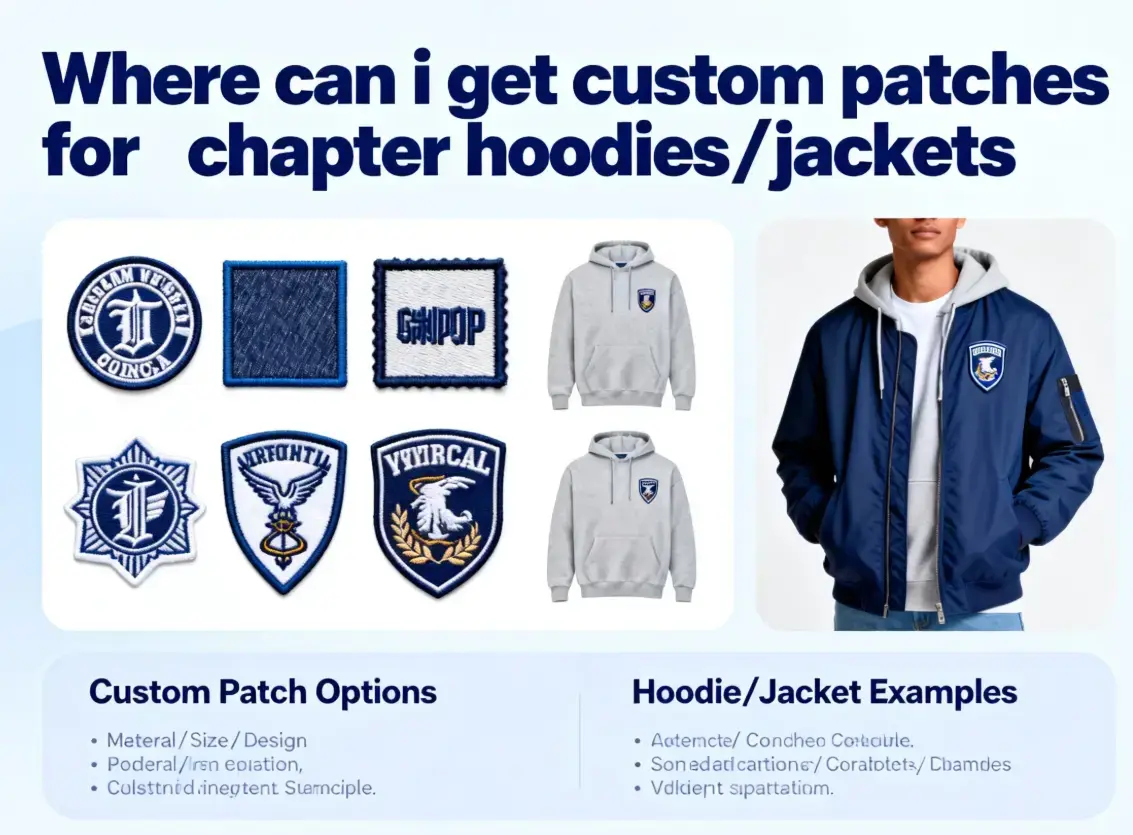
2. Embroidery and patchwork decoration (to enhance texture and three-dimensional effect)
Embroidery adds texture and durability to your custom hoodie(, and it pairs beautifully with the distressed look of acid wash:
- Simple Embroidery: Use embroidery floss in neutral colors (white, gray, black) or bold accents (red, yellow) to stitch small designs—think a tiny heart on the sleeve, a word on the hood, or a border around the pockets. Choose a simple stitch (like backstitch or satin stitch) for beginners; avoid complex stitches that may get lost in the acid-washed texture.
- Appliqué (贴布绣): Cut a piece of contrasting fabric (e.g., denim, canvas) into a shape (e.g., a star, a letter) and sew it onto the hoodie. Use a zigzag stitch around the edges to secure the fabric—this creates a vintage, patchwork effect that complements the acid wash. Appliqué works well on areas with more texture, like the back of the hoodie.
3. Detail modification (buttons, drawstrings, holes, to enhance personality)
Small details can make a big difference in customizing your acid-washed hoodie:
- Drawstring Replacement: Swap the standard cotton drawstring for a leather cord, a neon-colored rope, or a chain (for an edgier look). Thread the new drawstring through the hood’s eyelets—this adds a pop of color or texture without overwhelming the acid-wash design.
- Button or Zipper Additions: Add metal buttons to the cuffs or hem of the hoodie (use a needle and thread to sew them on) for a 工装 - inspired touch. If your hoodie has a front pocket, add a small zipper to it—this combines functionality with style.
- Controlled Distressing: Use sandpaper to gently rub the cuffs, hem, and neckline of the hoodie—this creates frayed, worn edges that enhance the vintage feel of the acid wash. Be careful not to rub too hard, as the acid-washed fabric may be more delicate than unwashed cotton.
Safe operation specifications and common problems to avoid when acid-washing hoodies
Working with acid (bleach) poses risks, so safety is a top priority when answering “How to create your own custom acid-washed hoodie.” Additionally, avoiding common mistakes will save you time and prevent you from ruining your hoodie.
1. Safe operating procedures (protect yourself and the environment)
- Work in a Well-Ventilated Area: Bleach fumes are toxic—never acid wash indoors without opening windows and using a fan. Outdoor spaces (like a backyard or patio) are best, as they allow fumes to dissipate.
- Wear Full Protective Gear: Always wear chemical-resistant gloves, safety goggles, and a face mask. If bleach splashes on your skin, rinse it immediately with cold water for 10 minutes. If it gets in your eyes, flush them with water for 15 minutes and seek medical attention.
- Avoid Mixing Chemicals: Never mix bleach with ammonia, vinegar (before neutralizing), or other cleaning products—this creates toxic gases (like chlorine gas) that can be fatal. Only mix bleach with water (or hydrogen peroxide, in a controlled ratio) for the acid solution.
- Dispose of Waste Properly: Pour leftover acid solution down the drain with plenty of cold water—never pour it on grass, plants, or soil, as it can kill vegetation. Wash your plastic tub, spray bottle, and brushes with soap and water before storing them.
2. Common problems and solutions (avoid failure and improve results)
- Problem 1: Uneven Fade (Some areas are too light, others too dark)
Solution: Ensure the hoodie is completely dry before applying acid. When spraying or brushing, move in even, overlapping motions—don’t focus on one area for too long. If soaking, stir the solution occasionally to ensure the hoodie is evenly submerged.
- Problem 2: Fabric Damage (Holes, fraying, or weakened seams)
Solution: Use a mild acid solution (1:2 bleach to water) and don’t leave it on the fabric for more than 15 minutes. Avoid applying acid directly to seams, elastic, or thin areas (like the hood lining). If you notice fraying during rinsing, stop immediately and neutralize the acid.
- Problem 3: Acid Wash Effect Is Too Subtle (Hardly any fade)
Solution: Increase the bleach concentration (try a 1:1 ratio) or let the acid solution sit on the fabric for a few extra minutes. Test the solution on a hidden area first to avoid over-fading. Darker base colors (like black) will show a more noticeable effect than medium colors (like dark blue).
- Problem 4: Bleach Stains on Other Clothing or Surfaces
Solution: Lay the hoodie on a plastic sheet or old towel when applying acid—never place it on carpet, wood, or clothing. Wear old clothes that you don’t mind ruining, and clean up any spills immediately with water and vinegar.
How to Care for and Maintain the Quality of Custom Acid-Washed Hoodies
To ensure your custom acid-washed hoodie stays looking great for years, proper care is essential. This final step in “How to create your own custom acid-washed hoodie” will help preserve the fade effect, prevent fabric damage, and keep any custom details (like prints or embroidery) intact.
1. Washing and drying tips (to avoid fading and deformation)
- Wash in Cold Water: Always wash the hoodie in cold water (30°C or below) with mild detergent. Hot water can cause the acid-washed color to fade further and shrink the cotton fabric.
- Wash Alone or with Similar Colors: Acid-washed hoodies may bleed slightly in the first few washes, so wash them alone or with other dark, non-delicate items (like jeans). Avoid washing with light-colored clothing, as the bleach residue may stain them.
- Skip Fabric Softener: Fabric softener coats the fabric, dulling the acid-washed texture and reducing the lifespan of custom prints or embroidery. Use a mild, fragrance-free detergent instead.
- Air Dry or Tumble Dry on Low: Air drying is best for preserving the hoodie’s shape and color—lay it flat on a towel or hang it on a clothesline (avoid direct sunlight). If tumble drying, use the low heat setting and remove the hoodie while it’s still slightly damp to prevent over-drying and shrinking.
2. Quality maintenance (repair minor damage and extend service life)
- Fix Small Holes or Fraying: Use a needle and thread to sew up small holes—choose thread that matches the hood