


How to Customize a Sweater
Introduction
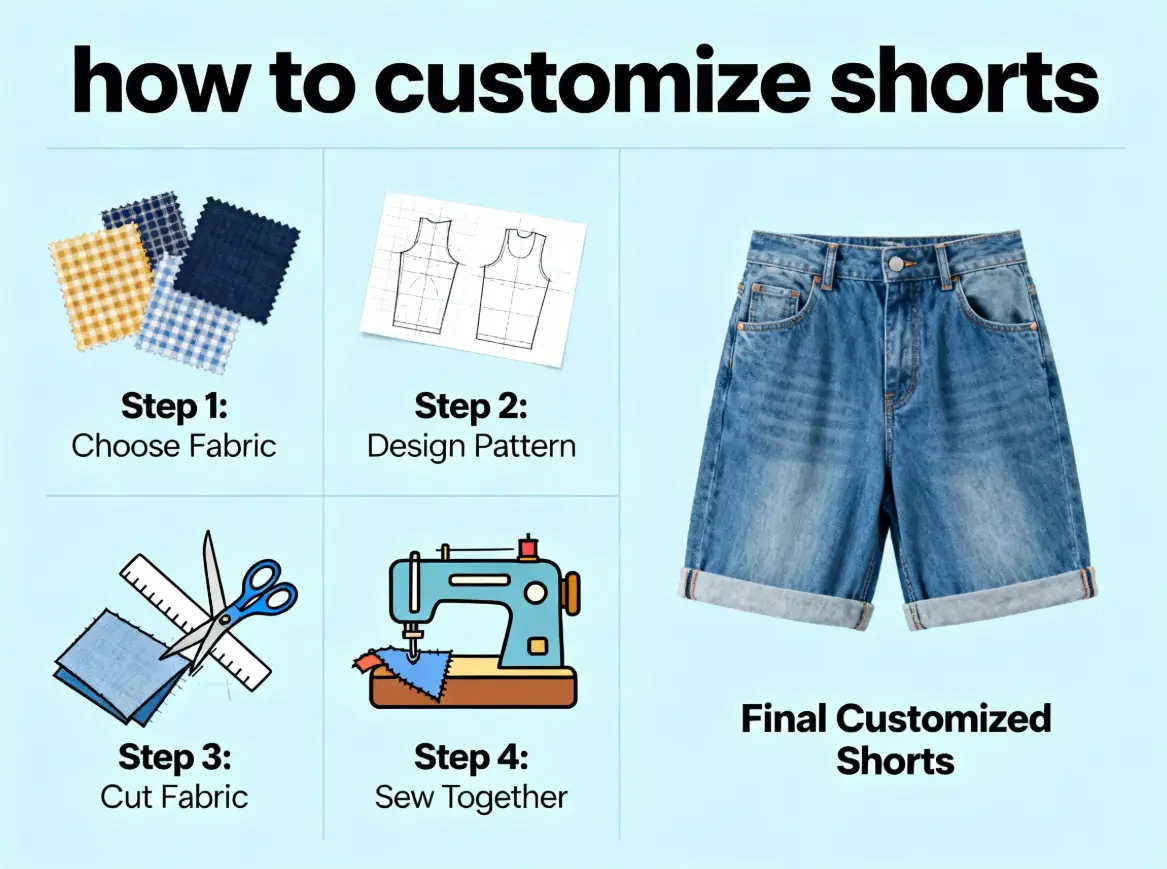
Sweaters are cozy, versatile wardrobe staples—ideal for autumn, winter, and layering year-round—and more and more people, brands, and teams are asking “how to customize a sweater” to add unique personality, brand identity, or sentimental value. Whether you want to showcase a logo for your business, add a personal touch to a gift, or create matching pieces for a team, customizing a sweater lets you move beyond generic, mass-produced options and craft something one-of-a-kind. Dongguan Siyinghong Garment, with years of apparel customization expertise and professional knitting/production technology, offers a comprehensive guide to sweater customization. Below, we’ll break down the key steps of how to customize a sweater—from defining your vision to finalizing the finished product—helping you turn creative ideas into high-quality, wearable pieces.
Clarify Your Customization Goals & Core Requirements
The first answer to “how to customize a sweater” is to define your goals and core needs—this ensures the final product aligns with its purpose and your expectations. Start by outlining the “who, what, and why” of your custom sweater:
Key Elements to Define:
- Purpose & Audience: Is the sweater for personal wear (e.g., a cozy winter staple), brand merchandise (e.g., retail knitwear), team uniforms (e.g., sports clubs, corporate teams), or event gifts (e.g., holiday presents, conference swag)? The audience (age, style preferences, lifestyle) will shape fabric, fit, and design choices.
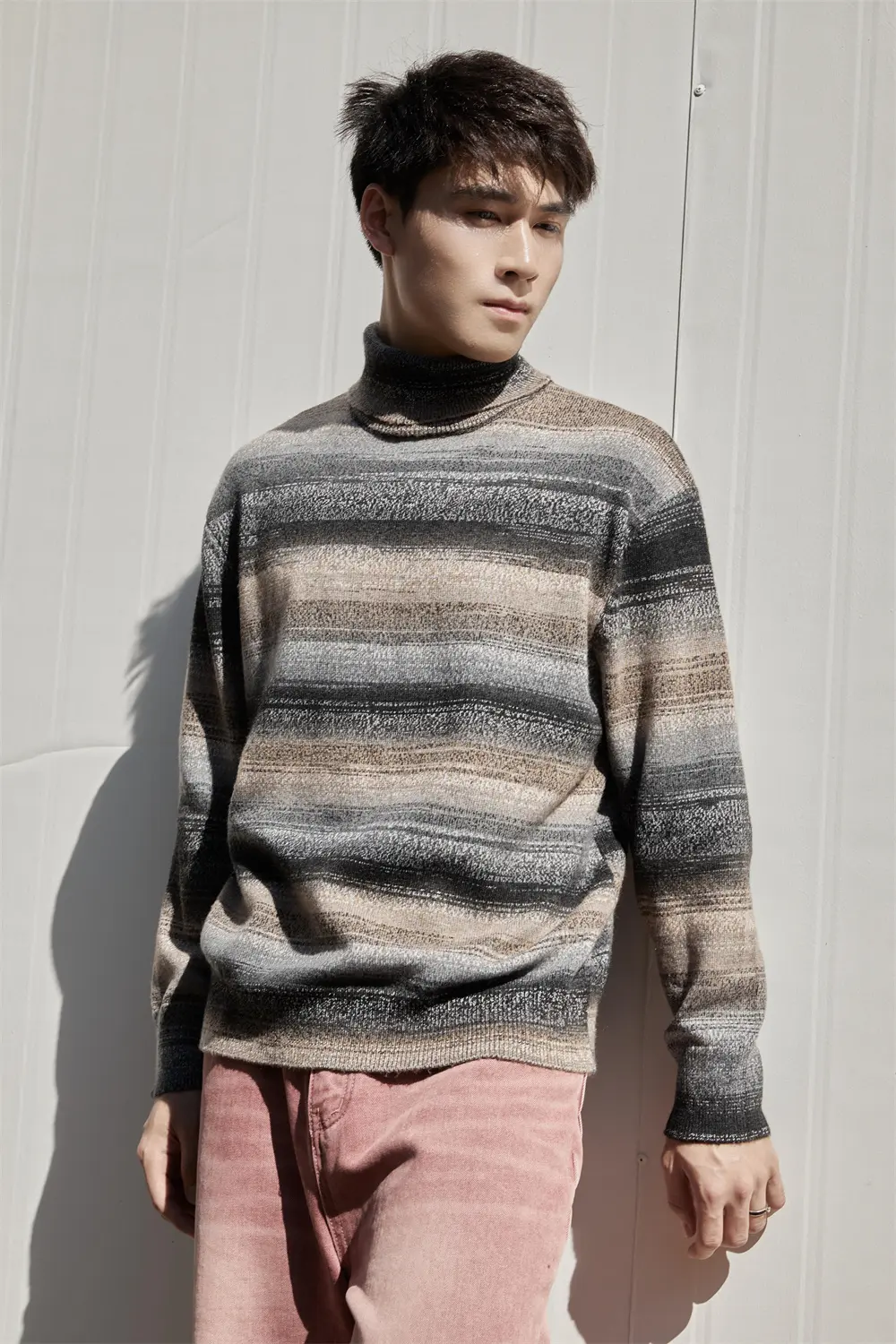
- Sweater Style Orientation: Choose a base style that fits the scenario—options include crewneck sweaters, V-neck sweaters, turtlenecks, cardigans, hooded sweaters (hoodies), or oversized sweaters. For example, turtlenecks suit formal casual looks, while hooded sweaters work for streetwear or loungewear.
- Fit Preferences: Decide on the fit (slim, regular, relaxed, oversized) and key measurements (chest, shoulder width, sleeve length, body length). For brand or team orders, consider offering multiple sizes (XS–5XL) to accommodate diverse body types.
- Design Focal Points: Identify the star details—brand logos, unique patterns (stripes, argyle, florals), text (slogans, names, dates), or decorative accents (ribbed cuffs, contrast hems, pockets).
- Color Scheme: Select a base color (solid, heathered, marled) and coordinate accent colors for designs (e.g., a navy sweater with white embroidery, a cream sweater with burgundy text). Use Pantone color codes for consistency if branding is involved.
Dongguan Siyinghong Garment’s professional team can help refine your requirements—for example, suggesting moisture-wicking fabrics for activewear sweaters or soft cashmere blends for luxury gifts—ensuring your custom sweater is both stylish and functional.
Choose the Right Fabric for Your Custom Sweater
The comfort, warmth, and durability of a custom sweater depend entirely on fabric—and this is a make-or-break step in “how to customize a sweater.” Different fabrics suit different needs, from everyday coziness to premium luxury. Here’s how to select the right one:
Common Sweater Fabric Options
- Cotton: Soft, breathable, and easy to care for—ideal for lightweight sweaters (spring/autumn layering) or casual wear. Options include combed cotton (smoother, less pilling) or cotton blends (cotton-polyester for wrinkle resistance, cotton-spandex for stretch). Great for brand merchandise or team sweaters due to its affordability and versatility.
- Wool: Warm, insulating, and naturally moisture-wicking—perfect for winter sweaters. Merino wool is a premium choice (soft, non-itchy, suitable for sensitive skin), while lambswool offers durability and a cozy texture. Wool blends (wool-cashmere, wool-polyester) balance warmth and cost.
- Cashmere/Cashmere Blends: Luxurious, ultra-soft, and lightweight—ideal for high-end custom sweaters (luxury gifts, premium retail). Pure cashmere is expensive but offers unmatched comfort; cashmere blends (e.g., 70% cashmere + 30% wool) reduce cost while retaining softness.
- Acrylic/Polyester Blends: Budget-friendly, durable, and easy to wash—great for bulk orders (e.g., event giveaways, kids’ sweaters). Acrylic mimics wool’s warmth without the itch, while polyester adds wrinkle resistance and longevity.
- Functional Fabrics: For activewear or outdoor use, choose moisture-wicking polyester-spandex blends or fleece-lined fabrics—these keep wearers warm and dry during sports or cold-weather activities.
Fabric Weight & Texture Tips
- Lightweight (200–300 gsm): Cotton or thin wool blends—suitable for layering (e.g., under jackets) or mild weather.
- Midweight (300–400 gsm): Wool-cotton blends or standard cashmere—versatile for everyday winter wear.
- Heavyweight (400+ gsm): Thick wool, fleece-lined fabrics—ideal for cold climates or outerwear sweaters.
- Texture: Choose smooth knits (cashmere, fine cotton) for minimalist designs, or textured knits (cable, ribbed, waffle) for added visual interest (note: textured fabrics may require adjustments to embroidery/print placement).
Dongguan Siyinghong Garment provides free fabric samples, so you can feel texture, test warmth, and confirm color before moving to production.
Select Customization Techniques for Your Sweater
Once you’ve chosen the fabric and base style, the next critical step in “how to customize a sweater” is picking the right technique to bring your design to life. Sweaters have unique fabric properties (knit texture, stretch), so not all customization methods work—here are the most effective options:
Embroidery
The most popular choice for sweater customization—embroidery adds texture, durability, and a premium feel, and works well on most knit fabrics. It’s ideal for logos, small patterns, text, or decorative borders. Options include:
- Flat Embroidery: Smooth and precise, suitable for detailed logos (e.g., corporate emblems) or fine text (e.g., team names on chests). Works best on smooth knits (cashmere, fine cotton).
- 3D Embroidery: Adds dimension and depth, making logos or patterns stand out (great for brand merchandise or team sweaters). Perfect for midweight fabrics (wool blends) that can support the raised stitching.
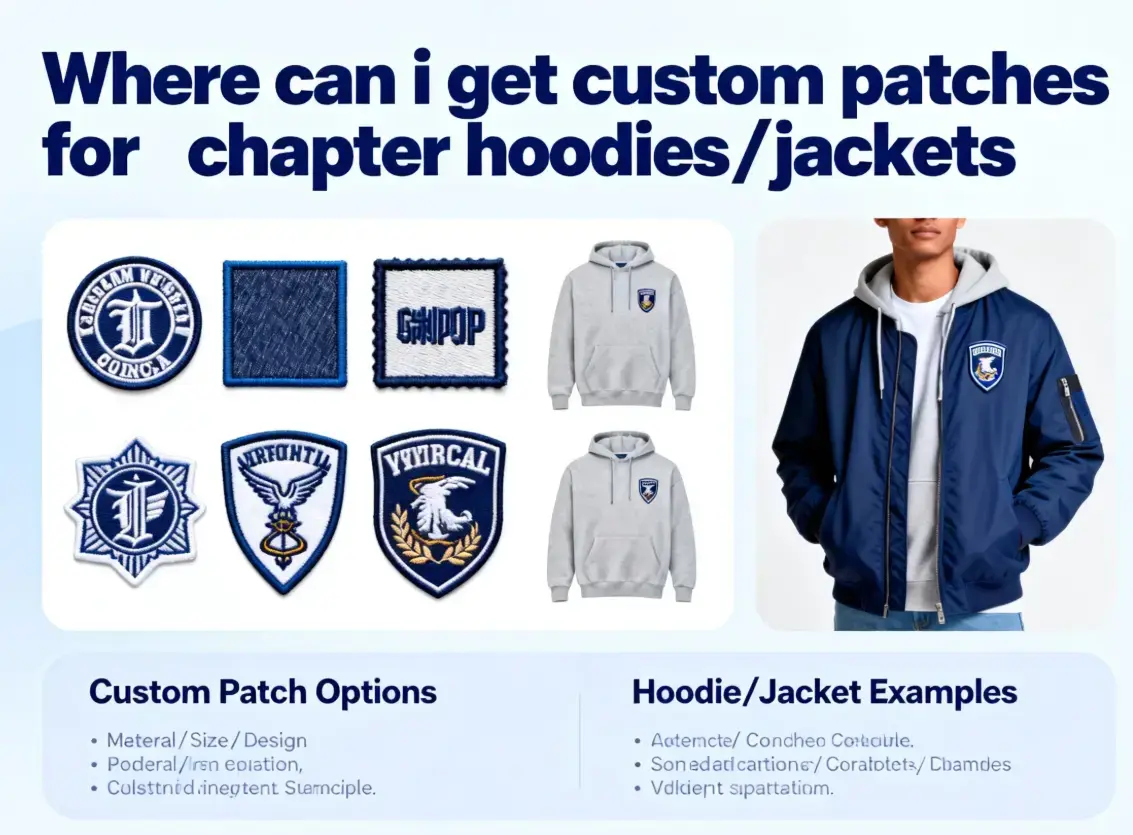
- Applique Embroidery: Involves attaching a fabric cutout (e.g., a brand patch, shaped design) to the sweater and stitching around the edges. Ideal for bold, large-scale designs or adding contrast textures (e.g., leather applique on a cotton sweater).
Embroidery is resistant to washing and fading, making it perfect for long-term use—critical for sweaters that will be worn season after season.
Knit-in Designs
A specialized technique for sweaters: designs (patterns, logos, text) are knitted directly into the fabric during production, rather than added after. This creates a seamless, long-lasting finish that blends with the sweater’s texture. Options include:
- Intarsia Knitting: Uses different colored yarns to create bold, block-color designs (e.g., stripes, argyle, large logos). Ideal for sweaters with repeating patterns or brand graphics.
- Jacquard Knitting: Creates intricate, detailed patterns (e.g., florals, geometric shapes) using a combination of knit and purl stitches. Great for high-end sweaters or designs that require fine detail.
Knit-in designs are more time-intensive than embroidery but offer a “built-in” look that’s perfect for luxury or signature pieces.
Printing
Best for bold, colorful, or large-scale designs—but requires careful fabric selection (smooth, low-stretch knits work best):
- Screen Printing: Suitable for simple, solid-color designs (e.g., slogans, small logos) on cotton or cotton-blend sweaters. It’s cost-effective for bulk orders but may crack on highly stretchy fabrics (avoid for pure wool or cashmere).
- Digital Direct Printing (DTG): Ideal for complex, full-color designs (e.g., photos, illustrations) on light-colored, smooth-knit sweaters. Works well for small-batch orders or one-of-a-kind personal sweaters.
- Heat Transfer (Vinyl): Great for small-batch or temporary designs (e.g., event-specific text). Uses a vinyl cutout applied with heat—best for cotton sweaters, as it may peel on stretchy wool blends.
Additional Customization Details
Elevate your custom sweater with small but impactful touches:
- Ribbed Accents: Add contrast ribbing on cuffs, hems, or necklines (e.g., a navy sweater with white ribbed cuffs) for a polished look.
- Custom Buttons/Zippers: For cardigans or zip-up sweaters, use branded buttons (engraved with your logo) or custom-colored zippers to enhance brand identity.
- Pockets: Add patch pockets or hidden pockets for functionality—ideal for casual sweaters or loungewear.
- Tag Customization: Replace generic tags with woven or printed Brand Tags (featuring your name, size, or care instructions) for a premium finish.
Dongguan Siyinghong Garment’s craftsmen will recommend the best technique for your fabric and design—for example, knit-in designs for wool sweaters or embroidery for cotton blends.
Finalize Design & Submit Files
To avoid mistakes and ensure your custom sweater turns out as expected, precise design finalization is key to “how to customize a sweater.” Follow these steps:
Prepare High-Quality Design Files
- File Formats: For embroidery or knit-in designs, submit vector files (AI, EPS, SVG) to ensure crisp, scalable details. For printing, use high-resolution raster files (PNG, JPG) with a minimum of 300 DPI.
- Design Size & Placement: Specify the size of your design (e.g., 3x3 inches for a left-chest logo, 8x10 inches for a back print) and placement (e.g., center chest, sleeve, back yoke). Use a sweater template (provided by the manufacturer) to mark positions—this avoids misalignment on the curved, knit surface.
- Color Confirmation: Provide Pantone color codes for yarns, embroidery threads, or prints. Knit fabrics can absorb color differently, so confirming codes ensures consistency across all pieces.
Review a Digital Mockup
Most Manufacturers (including Dongguan Siyinghong Garment) will send a digital mockup— a 2D or 3D rendering of your custom sweater. Take time to:
- Check if the design size and placement look balanced on the sweater’s shape.
- Verify that colors match your brand or personal vision (e.g., does the embroidery thread match your logo’s blue?).
- Ensure text is legible (especially small fonts) and patterns align with the sweater’s seams.
Request revisions if needed—this step prevents costly errors during production.
Collaborate with a Professional Manufacturer for Sampling
For high-quality, consistent custom sweaters, working with a professional manufacturer is essential for “how to customize a sweater”—especially for bulk orders or complex knit-in designs. The sampling process lets you test the final product before mass production:
Submit Your Requirements
Share your finalized design files, fabric choice, base style, and size requirements with the manufacturer. Dongguan Siyinghong Garment offers one-on-one communication to clarify details like:
- Embroidery thread weight (thicker thread for chunky knits, finer thread for cashmere).
- Knit pattern density (for intarsia/jacquard designs).
- Fit adjustments (e.g., “make the sleeves 1 inch longer for oversized style”).
Review the Physical Sample
The manufacturer will produce 1–3 physical samples (typically taking 5–7 working days for embroidery, 7–10 days for knit-in designs). When testing the sample, check:
- Fit: Try on the sample (or have a model wear it) to confirm the fit matches your expectations (e.g., is the relaxed fit roomy enough? Is the slim fit not too tight?).
- Fabric Quality: Feel the fabric—does it match the sample you tested? Is it warm, soft, or durable as needed?
- Design Execution: Inspect the embroidery/knit-in design—Is the logo crisp? Are colors accurate? Does the stitching blend with the knit texture?
- Durability: Do a gentle wash test (if possible) to check for pilling, fading, or loose threads (critical for sweaters that will be worn frequently).
Request Revisions
If adjustments are needed—e.g., “resize the logo by 1 inch,” “change the yarn color from light gray to charcoal,” “adjust the neckline for a better fit”—communicate clearly with the manufacturer. Dongguan Siyinghong Garment offers free sample revisions to ensure every detail is perfect before moving to mass production.
Confirm Production & Ensure Quality Control
Once the sample is approved, the final step in “how to customize a sweater” is to lock in production details and ensure strict quality control—guaranteeing every sweater in your order meets the same high standard as the sample.
Finalize Production Details
- Order Quantity: Confirm the number of sweaters per size (e.g., 20 XS, 50 S, 80 M) to avoid shortages or excess.
- Delivery Timeline: Agree on a production schedule—most manufacturers take 10–15 working days for bulk orders (50–500 pieces) for embroidery, or 15–20 days for knit-in designs (due to specialized knitting). Ask for expedited services if you need sweaters for a specific event (e.g., holidays).
- Packaging: Choose packaging that aligns with your brand—e.g., eco-friendly tissue paper for sustainable brands, custom boxes for premium sweaters. Add a thank-you note or care instructions (e.g., “Hand wash cashmere sweaters”) to enhance customer experience.
Quality Control Checks
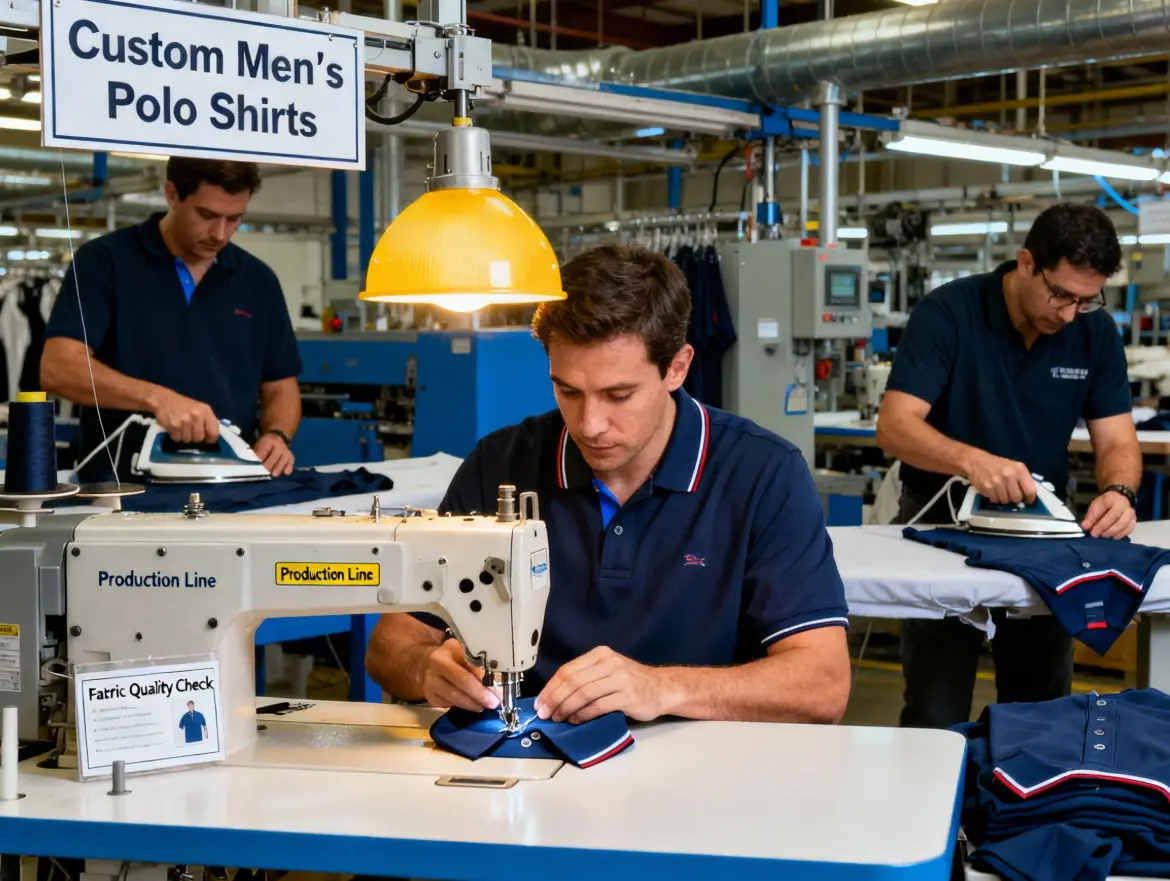
Professional manufacturers like Dongguan Siyinghong Garment implement multi-stage inspections:
- Fabric Inspection: Before knitting, check for yarn defects (fraying, color inconsistencies) or knit flaws (loose stitches).
- Production Inspection: Monitor embroidery/knit-in quality, ribbing alignment, and hardware (buttons/zippers) installation during manufacturing.
- Finished Product Inspection: After production, inspect every sweater for fit, design accuracy, and defects (e.g., loose threads, uneven stitching).
- Wash Testing: For a small batch, test washing and drying to confirm no pilling, fading, or shrinkage.
Delivery & After-Sales Support
Once production is complete, the manufacturer will arrange shipping—supporting global delivery via DHL, FedEx, or sea freight (for large orders). You’ll receive a tracking number to monitor the shipment. Dongguan Siyinghong Garment also offers after-sales support: if any sweaters arrive with defects, we’ll replace them or offer a solution to ensure your satisfaction.
Conclusion
Now you have a complete, actionable guide to “how to customize a sweater”—from defining your goals and choosing fabric to finalizing production. Every step, from design to delivery, plays a role in creating a sweater that’s tailored to your needs—whether it’s a cozy personal piece, a branded retail item, or a team uniform. With Dongguan Siyinghong Garment’s professional customization services, flexible options, and strict quality control, you can turn simple sweaters into unique, high-quality pieces that stand out. Whether you prefer embroidery, knit-in designs, or subtle ribbed accents, we’ll help you bring your vision to life—and create a sweater that’s as functional as it is stylish.
FAQ
FAQ 1: What’s the best fabric for a custom sweater?
It depends on your needs: cotton for casual, affordable sweaters; wool for warm winter pieces; cashmere for luxury; and polyester blends for activewear. We’ll recommend the right fabric based on your budget and purpose.
FAQ 2: Can I customize a sweater with a photo or complex illustration?
Yes! Use Digital Direct Printing (DTG) for photos or intricate illustrations—just ensure your file is high-resolution (300 DPI+). For wool or cashmere sweaters, we may recommend simplifying the design for better results on knit fabric.
FAQ 3: Is there a minimum order quantity (MOQ) for custom sweaters?
No—Dongguan Siyinghong Garment supports one-off custom sweaters (for personal wear) and bulk orders (1000+ for brands). MOQs for knit-in designs are slightly higher (20+ pieces) due to specialized setup, but we offer flexibility for small batches.
FAQ 4: How long does it take to customize a sweater?
Lead time varies by technique: 5–7 days for a sample (embroidery), 10–15 days for bulk embroidery orders, and 15–20 days for knit-in designs. Expedited services are available for urgent orders.