


How to Make Custom Mesh Shorts
How to Make Custom Mesh Shorts
Introduction
Mesh shorts are a summer and activewear essential—valued for their breathability, lightweight feel, and versatility—and more and more people, brands, and teams are asking “how to make custom mesh shorts” to move beyond generic athletic styles. Whether you’re crafting shorts for sports teams, gym wear, beach days, or brand merchandise, custom mesh shorts let you tailor fit, design, and functionality to your exact needs. Unlike denim or cotton, mesh fabric has unique properties (stretch, breathability, open weave) that require specialized customization techniques—and Dongguan Siyinghong Garment, with years of activewear manufacturing experience, offers a comprehensive step-by-step guide to making custom mesh shorts. Below, we’ll break down the key processes, fabric choices, and design tips for how to make custom mesh shorts, helping you turn creative ideas into high-quality, performance-ready pieces.
Clarify Your Goals & Define Core Requirements
The first answer to “how to make custom mesh shorts” is to clarify your purpose and core needs—this ensures the final product aligns with its intended use and audience. Start by outlining the “who, what, and why” of your custom mesh shorts:
Key Elements to Define:
- Purpose & Audience: Are the shorts for sports (basketball, soccer, running), gym wear, casual summer outings, beach cover-ups, or team uniforms? The audience (athletes, fitness enthusiasts, casual wearers) will shape fit, fabric, and design.
- Fit & Silhouette: Choose the fit (slim, regular, relaxed, oversized) and length (mid-thigh, knee-length, above-knee). For sports, opt for a streamlined fit to avoid restriction; for casual wear, a relaxed or oversized fit works best.
- Functional Needs: Identify must-have features—elastic waistbands (with drawstrings for adjustability), inner liners (for modesty in sports), side pockets (for phones/keys), or reflective details (for night running).
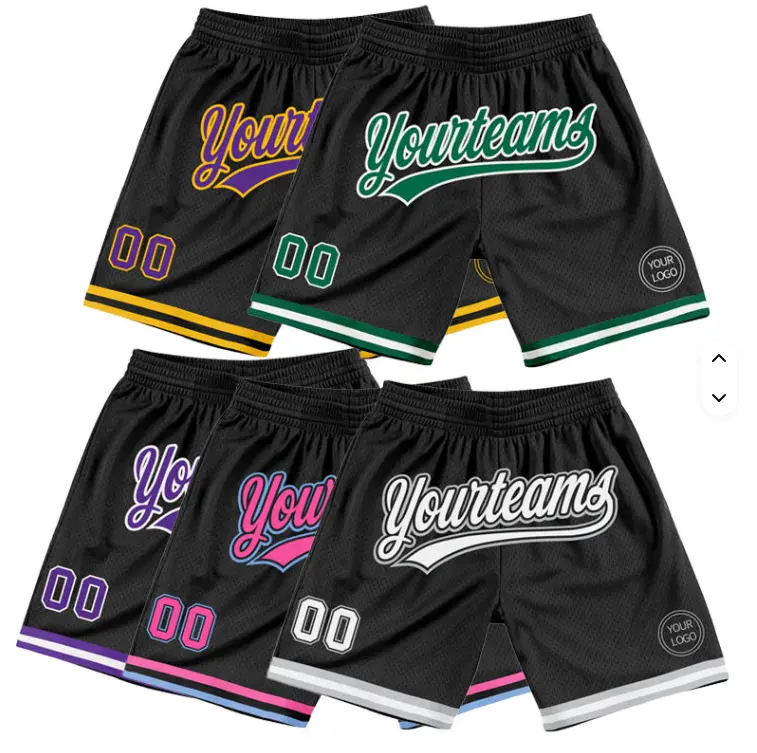
- Design Focal Points: Decide on standout details—brand logos, team colors, stripe accents, text (slogans, player numbers), or pattern prints (camouflage, tie-dye).
- Color Scheme: Select a base mesh color (solid, neon, pastels) and coordinate accent colors for designs (e.g., black logos on neon pink mesh, white stripes on navy mesh). Use Pantone color codes for consistency if branding is involved.
Dongguan Siyinghong Garment’s team can help refine your requirements—for example, suggesting moisture-wicking liners for sports shorts or UPF-protective mesh for beach styles—ensuring your custom mesh shorts are both stylish and functional.
Choose the Right Mesh Fabric & Base Style
The quality, performance, and look of custom mesh shorts depend entirely on the mesh fabric—this is a critical step in “how to make custom mesh shorts.” Mesh comes in various weights, weaves, and blends, each suited to different needs:
Mesh Fabric Selection
- Material Blend:
- Polyester Mesh: The most common choice—lightweight, durable, moisture-wicking, and quick-drying. Ideal for sports and activewear, as it keeps wearers cool during movement.
- Nylon Mesh: Soft, stretchy, and resistant to abrasion—great for gym wear or casual shorts. Nylon mesh has a smoother texture than polyester, making it more comfortable for direct skin contact.
- Polyester-Nylon Blend: Combines polyester’s moisture-wicking with nylon’s softness—versatile for both sports and casual use.
- Spandex-Infused Mesh: Adds 2–5% spandex for stretch, perfect for slim-fit or high-movement sports (e.g., basketball, dance).
- Weave & Breathability:
- Open Weave Mesh: Large, spaced-out holes for maximum breathability—ideal for hot weather or high-intensity sports (running, soccer). Note: May require an inner liner for modesty.
- Tight Weave Mesh: Smaller holes for moderate breathability—suitable for casual wear or cooler summer days; no liner needed for most styles.
- Weight:
- Lightweight (50–80 gsm): Ultra-thin and airy—great for beach cover-ups or hot-weather sports.
- Midweight (80–120 gsm): Balances breathability and durability—versatile for gym wear, casual outings, and most sports.
Mesh Shorts Base Style
Select a base style that matches your customization goals:
- Athletic Sports Shorts: Streamlined fit, mid-thigh length, with inner liner and drawstring waistband—ideal for basketball, soccer, or running; works well with team logos or player numbers.
- Casual Mesh Shorts: Relaxed fit, knee-length or above-knee, with side pockets—great for summer outings or loungewear; suitable for bold prints or stripe accents.
- Oversized Mesh Shorts: Baggy fit, extended length (mid-thigh to knee), with wide waistbands—trendy for streetwear or festival looks; perfect for large graphics or tie-dye patterns.
- Beach Mesh Shorts: Lightweight open-weave mesh, with quick-drying properties and minimal pockets—ideal for beach cover-ups; can be customized with vibrant prints or brand logos.
Dongguan Siyinghong Garment provides free mesh fabric samples, so you can test breathability, stretch, and texture before production.
Select Customization Techniques for Mesh Shorts
Mesh fabric’s open weave and stretchy nature require specialized customization techniques—ordinary embroidery or printing may damage the fabric or lose detail. Below are the most effective methods for “how to make custom mesh shorts”:
Screen Printing
The most popular choice for custom mesh shorts—screen printing works well on both tight and open-weave mesh, as long as the ink is lightweight and flexible. It’s ideal for bold, solid-color designs (logos, stripes, text) and bulk orders:
- Water-Based Ink: Thin, breathable, and soft to the touch—perfect for mesh, as it doesn’t block the fabric’s open weave. It bonds well to polyester/nylon and won’t crack when the mesh stretches.
- Design Considerations: Use simple, bold designs (avoid fine details) to ensure the ink adheres evenly. For open-weave mesh, opt for larger designs (e.g., 4x4 inch logos) to prevent ink from seeping through the holes.
- Best For: Team logos, player numbers, stripe accents, or event-specific text (e.g., “Summer Tournament 2024”).
Heat Transfer (Vinyl)
Great for small-batch orders or temporary designs—heat transfer uses a thin vinyl cutout applied with heat, making it ideal for personalized details:
- Stretch Vinyl: Must-use for mesh shorts—regular vinyl will crack when the fabric stretches. Stretch vinyl is flexible and durable, able to withstand washing and movement.
- Design Options: Perfect for small logos, names, or numbers (e.g., a player’s name on the thigh, a gym’s logo on the waistband). Avoid large designs, as vinyl can block breathability.
- Best For: One-off custom shorts, team uniforms with individual names, or limited-edition styles.
Embroidery (Specialized Techniques)
Embroidery on mesh requires extra care to avoid damaging the fabric—only lightweight, low-density stitching works:
- Lightweight Thread & Stitch Count: Use fine polyester thread (40–50 weight) and keep stitch count low (under 5,000 stitches per design). This prevents the mesh from puckering or tearing.
- Applique Embroidery: A better alternative for mesh—attach a small fabric patch (e.g., a brand logo) to the mesh and stitch around the edges. The patch adds durability while showcasing the design.
- Best For: Small accent logos (on the waistband or back pocket) or subtle text—avoid large embroidery, as it will weigh down the mesh.
Color Blocking & Panel Design
A stylish way to customize mesh shorts without adding ink or stitching—color blocking uses different colored mesh panels to create patterns:
- Panel Placement: Combine base mesh with accent panels (e.g., navy mesh shorts with neon pink side panels, black mesh with white stripe panels on the legs).
- Functional Benefits: Color blocking can also enhance fit—use stretchier mesh for the waist or thigh panels to improve mobility.
- Best For: Sports teams (matching team colors), casual shorts, or brand merchandise with signature color schemes.
Reflective Details
Ideal for sports shorts used at night (running, soccer)—add reflective prints or tapes for safety:
- Reflective Ink: Screen-print small reflective logos or dots on the legs or waistband—visible in low light but doesn’t compromise breathability.
- Reflective Tape: Sew thin reflective tape along the side seams or waistband—durable and highly visible, perfect for high-movement sports.
Dongguan Siyinghong Garment’s craftsmen are trained in mesh-specific customization—we’ll recommend the best technique for your fabric and design, ensuring durability and breathability.
Finalize Design & Submit Files
To avoid mistakes with mesh’s unique properties, precise design finalization is key to “how to make custom mesh shorts.” Follow these steps:
Prepare High-Quality Design Files
- File Formats: For screen printing or heat transfer, submit vector files (AI, EPS, SVG) to ensure crisp, scalable details. For simple color blocking, provide a layered design showing panel placement.
- Design Size & Placement: Specify the size of your design (e.g., 3x3 inches for a waistband logo, 6x2 inches for a thigh stripe) and placement. Avoid curved areas (e.g., the crotch) or high-stretch zones (e.g., waistband) for prints—these areas may cause ink to crack.
- Color Confirmation: Provide Pantone color codes for mesh fabric, ink, and accents. Mesh can absorb color differently than solid fabrics, so codes ensure consistency across all pieces.
Review a Digital Mockup
Most Manufacturers (including Dongguan Siyinghong Garment) will send a digital mockup— a 2D or 3D rendering of your custom mesh shorts. Take time to:
- Check if the design fits with the mesh’s weave (e.g., a large print doesn’t cover too much of the open weave, preserving breathability).
- Verify that color blocking panels align with seams and fit lines.
- Ensure reflective details are placed in visible areas (e.g., side seams for running shorts).
Request revisions if needed—this step prevents costly errors during production (e.g., ink seeping through open mesh).

Collaborate with a Professional Manufacturer for Sampling
For high-quality, consistent custom mesh shorts—especially for sports teams or brand orders—working with a professional manufacturer is essential for “how to make custom mesh shorts.” The sampling process lets you test how the design performs on mesh fabric:
Submit Your Requirements
Share your finalized design files, fabric choice, base style, and size requirements with the manufacturer. Dongguan Siyinghong Garment offers one-on-one communication to clarify details like:
- Liner material (e.g., moisture-wicking polyester for sports shorts).
- Drawstring color (matching or contrasting with the mesh).
- Print ink type (water-based for breathability).
Review the Physical Sample
The manufacturer will produce 1–3 physical samples (typically taking 4–6 working days). When testing the sample, focus on mesh-specific factors:
- Breathability: Hold the shorts up to light—ensure prints or embroidery don’t block the mesh’s open weave.
- Stretch & Durability: Pull the mesh gently to test if prints/embroidery crack or peel, and if the fabric retains its shape.
- Fit & Comfort: Try on the sample (or have a model wear it) to confirm the waistband, length, and liner (if included) are comfortable and functional.
- Design Execution: Inspect prints for even ink coverage, embroidery for loose threads, and color blocking for seamless panel joins.
Request Revisions
If adjustments are needed—e.g., “use a lighter ink to improve breathability,” “shorten the inseam by 1 inch,” “add a thicker drawstring”—communicate clearly with the manufacturer. Dongguan Siyinghong Garment offers free sample revisions to ensure the sample meets your performance and style needs.
Confirm Production & Ensure Quality Control
Once the sample is approved, the final step in “how to make custom mesh shorts” is to lock in production details and ensure strict quality control—critical for mesh, as poor craftsmanship can ruin breathability or durability.
Finalize Production Details
- Order Quantity: Confirm the number of shorts per size (e.g., 25 XS, 50 S, 75 M) to avoid shortages. For sports teams, include extra sizes to cover all players.
- Delivery Timeline: Agree on a production schedule—most manufacturers take 8–12 working days for bulk orders (50–500 pieces) for screen printing/color blocking, or 10–15 days for complex designs (e.g., embroidery + reflective details). Ask for expedited services if you need shorts for a sports season or summer event.
- Packaging: Choose breathable packaging (e.g., mesh bags or open-top polybags) to prevent the mesh from trapping moisture during shipping. For retail, add a care card (e.g., “Wash in cold water to preserve print color”) to extend the shorts’ lifespan.
Quality Control Checks
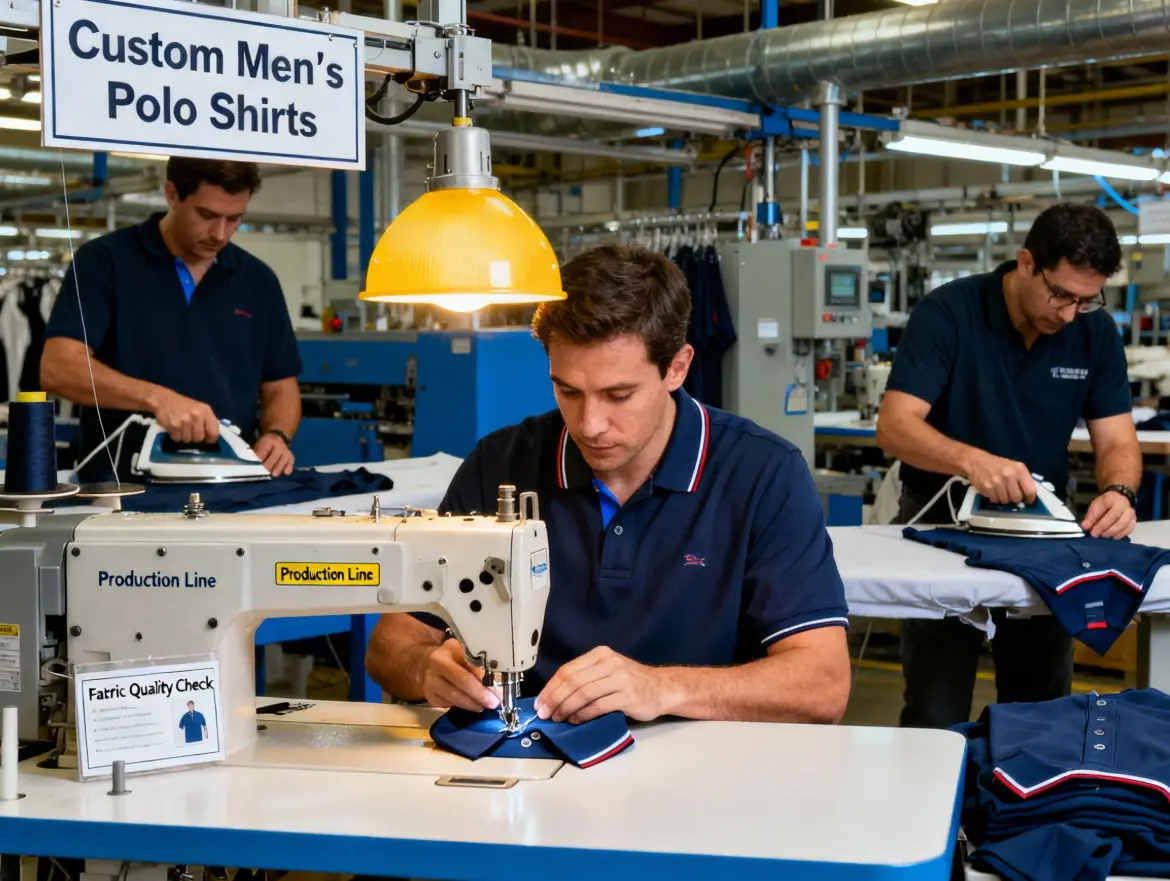
Professional manufacturers like Dongguan Siyinghong Garment implement mesh-specific inspections:
- Fabric Inspection: Before cutting, check for mesh defects (holes, uneven weave, frayed edges).
- Production Inspection: Monitor print/embroidery quality (no ink seepage, even coverage), liner attachment (secure stitching, no bunching), and drawstring functionality (smooth adjustment).
- Breathability Test: For a small batch, ensure the mesh retains its open weave after production—blocked holes mean poor performance.
- Finished Product Inspection: After production, inspect every pair for fit, design accuracy, and defects (loose threads, peeling prints, stretched mesh).
Delivery & After-Sales Support
Once production is complete, the manufacturer will arrange shipping—supporting global delivery via DHL, FedEx, or sea freight (for large orders). You’ll receive a tracking number to monitor the shipment. Dongguan Siyinghong Garment also offers after-sales support: if any shorts arrive with blocked mesh or defective prints, we’ll replace them or offer a solution to ensure your satisfaction.
Conclusion
Now you have a complete, actionable guide to “how to make custom mesh shorts”—from defining your goals and choosing mesh fabric to finalizing production. The key to success with mesh is balancing style and performance: selecting the right weave for breathability, using mesh-specific customization techniques, and prioritizing functional details. Whether you’re making sports shorts for a team, gym wear for a brand, or casual shorts for summer, Dongguan Siyinghong Garment’s professional services, mesh expertise, and strict quality control ensure your vision becomes a reality. With our help, you can create custom mesh shorts that are not only stylish but also deliver the breathability and durability that make mesh a summer and activewear favorite.
FAQ
FAQ 1: What’s the best mesh fabric for sports shorts?
Polyester mesh (midweight, open weave) with a moisture-wicking inner liner is ideal—it’s breathable, quick-drying, and durable enough for high movement. Add 2–3% spandex for stretch if you need a slim fit.
FAQ 2: Can I add pockets to custom mesh shorts?
Yes! Use a tight-weave mesh or a cotton-polyester blend for pockets (open-weave mesh will let small items fall out). We recommend side pockets for casual shorts or hidden waistband pockets for sports (to avoid bulk).
FAQ 3: Is there a minimum order quantity (MOQ) for custom mesh shorts?
No—we support one-off custom shorts (for personal wear) and bulk orders (1000+ for brands). MOQs for complex designs (e.g., screen printing + reflective details) are 20+ pieces, but we offer flexibility for small teams or startups.
FAQ 4: How long does it take to make custom mesh shorts?
Lead time varies by complexity: 4–6 days for a sample, 8–12 days for bulk screen printing/color blocking orders, and 10–15 days for embroidery + liner designs. Expedited services are available for urgent sports season orders.