



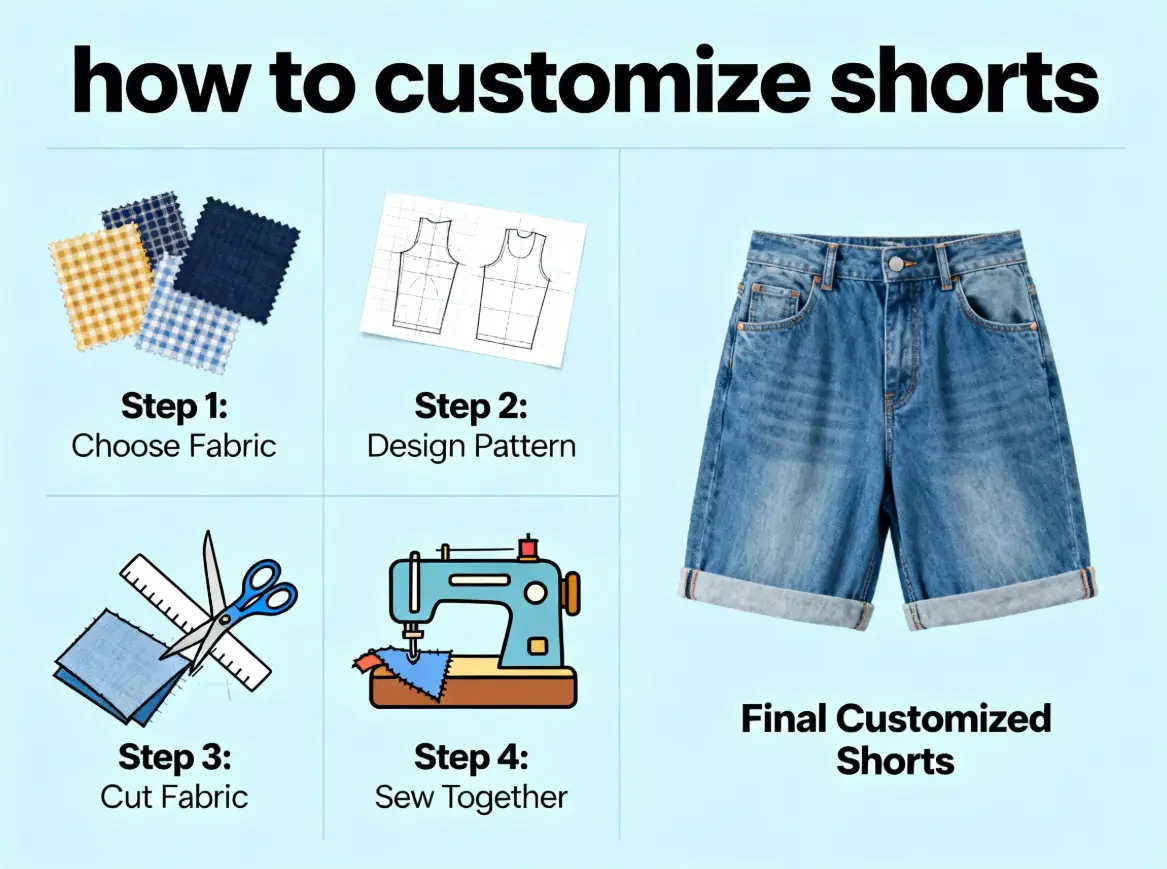
How to Start a Custom T Shirt Business
Introduction
The custom t shirtbusiness is a thriving and accessible venture—appealing to entrepreneurs, creative professionals, and brand builders alike. More and more people are asking “how to start a custom t shirt business” as it offers low entry barriers, flexible operations, and the chance to turn creativity into profit. Whether you want to sell niche designs for specific communities, branded merchandise for small businesses, or event-specific tees, the custom t shirt industry caters to diverse markets. Dongguan Siyinghong Garment, a professional Custom Apparel manufacturer with over a decade of experience, has supported hundreds of entrepreneurs in launching successful custom t shirt businesses. Below, we’ll break down the step-by-step process of how to start a custom t shirt business—covering market research, supplier partnerships, design development, and operations—to help you build a sustainable and profitable venture.
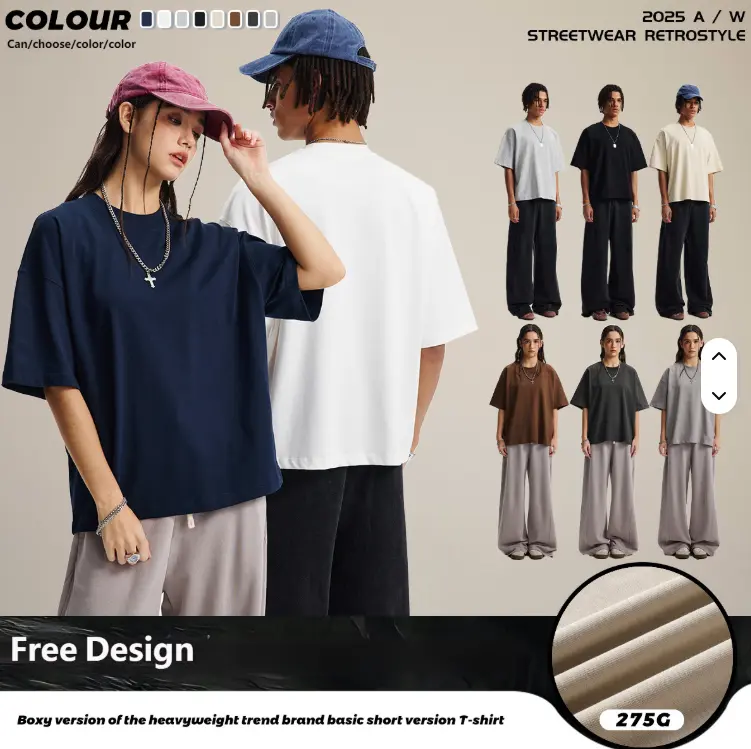
Conduct Market Research & Define Your Niche
Before diving into the logistics, the first critical step in “how to start a custom t shirt business” is to understand your market and carve out a unique niche. This ensures you target the right customers and stand out from competitors.
Key Market Research Actions:
- Identify Target Audience: Who will buy your custom t shirts? Options include small businesses (corporate uniforms), sports teams, event organizers (music festivals, charity runs), niche communities (hobbyists, activists), or general consumers seeking personalized wear. Define demographics (age, location, income) and psychographics (interests, values) to tailor your offerings.
- Analyze Competitors: Study existing custom t shirt businesses—both local and online. What niches do they serve? What pricing, designs, and services do they offer? Look for gaps (e.g., eco-friendly custom tees for sustainable brands, retro designs for vintage lovers) that you can fill.
- Validate Demand: Test your niche with surveys, social media polls, or pre-orders. For example, if you want to target yoga instructors, ask a group of instructors what designs, fabrics, and price points they’d prefer. This minimizes risk and ensures there’s demand for your products.
Niche Examples to Consider:
- Sustainable custom tees (using organic cotton or recycled fabrics).
- Nostalgic/vintage designs for 90s/2000s enthusiasts.
- Custom team tees for local sports leagues or school clubs.
- Branded merchandise for small businesses (cafés, gyms, boutiques).
- Event-specific tees (weddings, birthdays, corporate retreats).
By defining a clear niche, you’ll create more targeted marketing and product offerings—making it easier to attract and retain customers.
Develop a Business Plan & Legal Setup
A solid business plan and proper legal foundation are essential for turning your idea into a legitimate, scalable business. This step answers the “logistical” part of “how to start a custom t shirt business.”
Create a Business Plan:
Outline key elements to guide your operations and growth:
- Business Model: Will you sell directly to consumers (DTC via an online store or social media), B2B (selling to businesses/teams), or a hybrid model? Will you offer made-to-order tees or keep limited inventory?
- Pricing Strategy: Calculate costs (fabric, customization, shipping, labor) and set competitive prices. Consider markup percentages (typically 2–3x cost) while staying aligned with your niche (e.g., premium pricing for organic tees, budget-friendly for event giveaways).
- Marketing Plan: How will you promote your business? Options include social media (Instagram, TikTok, Pinterest), SEO (targeting keywords like “custom team tees [Your City]”), local networking (partnering with small businesses), or influencer collaborations.
- Financial Projections: Estimate startup costs (supplies, website, legal fees) and ongoing expenses (manufacturing, marketing, shipping). Set revenue goals and timelines for breaking even.
Legal & Administrative Setup:
- Register Your Business: Choose a business structure (sole proprietorship, LLC, corporation) and register with your local government. This ensures legal protection and allows you to open a business bank account.
- Obtain Licenses & Permits: Check local requirements for selling apparel—most regions require a general business license, and some may need sales tax permits if selling directly to consumers.
- Trademarks & Copyrights: Protect your brand name, logo, and original designs by filing for trademarks (for brand assets) and copyrights (for unique designs). Avoid using copyrighted images or logos without permission to prevent legal issues.
Choose a Reliable Custom T Shirt Manufacturer
Partnering with a professional manufacturer is a make-or-break decision in “how to start a custom t shirt business.” The right supplier ensures consistent quality, competitive pricing, and timely delivery—critical for customer satisfaction and business reputation.
How to Select the Right Manufacturer:
- Define Your Manufacturing Needs: Consider order volume (small batches for startups vs. bulk for scaling), customization techniques (screen printing, DTG, embroidery), and fabric preferences (cotton, organic, performance blends). Most startups begin with small-batch production to minimize inventory risk.
- Evaluate Manufacturer Credentials: Look for Manufacturers with experience in custom t shirts (like Dongguan Siyinghong Garment) that offer:
- Quality control: Ask for fabric samples and pre-production samples to test durability, fit, and print/embroidery quality.
- Flexibility: Support for small minimum order quantities (MOQs), custom designs, and fabric/color options.
- Transparent pricing: Detailed quotes that include fabric, customization, shipping, and any additional fees (e.g., sample charges).
- Reliable delivery: On-time production timelines (typically 7–12 working days for small batches) and global shipping options.
- Communicate Your Requirements: Share your design files, fabric choices, and quality expectations with the manufacturer. Ensure they can accommodate your needs (e.g., eco-friendly inks, custom tags) and provide clear communication throughout the production process.
Benefits of Working with a Direct Manufacturer:
- Lower costs compared to middlemen or print-on-demand services (critical for profitability as you scale).
- Greater control over quality and customization (e.g., unique fabric blends, specialized prints).
- Support for brand growth (e.g., bulk discounts as your order volume increases, custom packaging options).
Develop Your Design Portfolio & Brand Identity
Your designs and brand identity are what will attract customers—making this step central to “how to start a custom t shirt business.” A strong brand and appealing designs differentiate your business and build customer loyalty.
Build a Design Portfolio:
- Create Core Designs: Develop a collection of 5–10 signature designs that align with your niche. For example, if targeting small businesses, include professional logo-based designs; if targeting fitness enthusiasts, focus on motivational quotes or activewear-inspired graphics.
- Offer Customization Options: Decide what customizations you’ll provide—logo printing, text personalization, color variations, or design tweaks. Keep options manageable (e.g., 3–5 fabric choices, 10+ base colors) to avoid operational complexity.
- Showcase Versatility: Include different t shirt styles (crew neck, V-neck, oversized, long sleeve) and customization techniques (embroidery, screen printing, DTG) in your portfolio to demonstrate your capabilities.
Craft Your Brand Identity:
- Brand Name & Logo: Choose a memorable, easy-to-spell brand name that reflects your niche. Design a professional logo that appears on your website, social media, and packaging.
- Brand Voice & Aesthetic: Define your brand’s personality (playful, professional, eco-conscious) and visual style (minimalist, bold, vintage). Ensure consistency across all touchpoints—from your website to your product photos.
- Storytelling: Share your brand’s mission (e.g., “We create eco-friendly custom tees to support sustainable businesses”) to connect with customers on an emotional level.
Set Up Your Sales Channels & Online Presence
To reach customers, you need effective sales channels—especially in the digital age. This step in “how to start a custom t shirt business” focuses on making your products accessible to your target audience.
Key Sales Channels to Consider:
- E-commerce Website: Build a user-friendly online store using platforms like Shopify, WooCommerce, or Etsy. Include features like design previews, size charts, customization tools (e.g., upload logo, select color), and secure payment options (PayPal, credit cards).
- Social Media: Leverage visual platforms like Instagram, TikTok, and Pinterest to showcase your designs. Use Reels/TikToks to demonstrate the customization process, share customer testimonials, and run targeted ads. Add a “Shop” tab or link to your website for easy purchasing.
- Local & B2B Sales: Network with local small businesses, event organizers, and sports teams. Offer in-person consultations to discuss custom designs (e.g., a café’s staff uniforms, a little league’s team tees). Attend local markets or trade shows to showcase your products.
- Print-on-Demand (POD) Integration: For startups with limited capital, use POD services (e.g., Printful, Redbubble) to fulfill orders without holding inventory. As you scale, transition to a direct manufacturer for lower costs and greater control.
Optimize Your Online Presence:
- SEO: Use keywords like “custom t shirts for small businesses,” “personalized team tees,” or “eco-friendly custom tees” on your website and social media to rank higher in search results.
- Customer Reviews: Encourage early customers to leave reviews—positive feedback builds trust and attracts new buyers.
- Mobile Optimization: Ensure your website and online tools work seamlessly on mobile devices (most customers browse and shop on phones).
Establish Production & Fulfillment Processes
Smooth production and fulfillment are critical for customer satisfaction and repeat business. This step in “how to start a custom t shirt business” ensures you can deliver high-quality products on time, every time.
Production Workflow:
- Sample Testing: Before fulfilling bulk orders, work with your manufacturer to create physical samples of your designs. Test fabric quality, print/embroidery durability, and fit to ensure they meet your standards.
- Order Management: Use tools (e.g., Excel spreadsheets, inventory management software) to track orders, customer details, and production timelines. Clearly communicate lead times to customers (e.g., “7–10 working days for custom orders”).
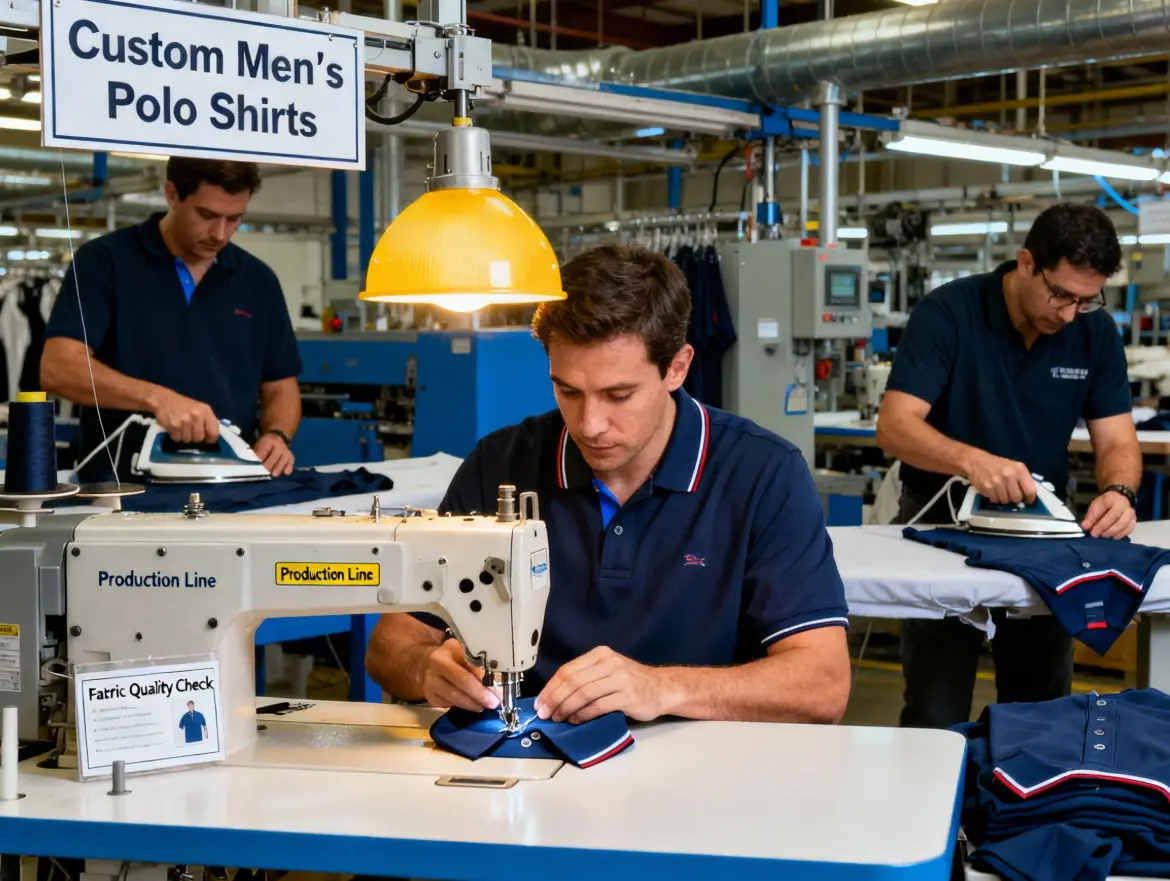
- Quality Control: Partner with a manufacturer that offers strict quality checks (like Dongguan Siyinghong Garment). Inspect finished products for defects (e.g., misprinted logos, loose threads) before shipping.
Fulfillment Options:
- In-House Fulfillment: If you have space and capital, store inventory and ship orders yourself. This gives you control over packaging (e.g., branded boxes, handwritten notes) but requires time and resources.
- Third-Party Fulfillment: Outsource shipping to a fulfillment center or your manufacturer. Dongguan Siyinghong Garment offers global shipping via DHL, FedEx, or sea freight—saving you time and ensuring reliable delivery.
- Packaging: Choose packaging that aligns with your brand (e.g., eco-friendly polybags for sustainable brands, custom boxes for premium tees). Include a thank-you note or discount code for future orders to encourage loyalty.
Launch Your Business & Market Your Products
With all systems in place, it’s time to launch and promote your custom t shirt business. This step in “how to start a custom t shirt business” focuses on generating buzz and attracting your first customers.
Launch Strategies:
- Soft Launch: Start with a small group of friends, family, or targeted customers to test your processes. Gather feedback and make adjustments before a full launch.
- Grand Launch Promotion: Offer a limited-time discount (e.g., “20% off your first order”) or free customization (e.g., “Free logo print on bulk orders”) to incentivize early purchases. Promote the launch on social media, via email newsletters, and through local partnerships.
- Content Marketing: Create valuable content to attract customers—e.g., “How to Choose the Right Custom T Shirt for Your Business,” “10 Creative Custom T Shirt Designs for Events.” Share blog posts, videos, or infographics on your website and social media.
Ongoing Marketing Tactics:
- Social Media Ads: Run targeted ads on Instagram, Facebook, or TikTok to reach your niche audience (e.g., ads for “custom team tees” targeting local sports coaches).
- Email Marketing: Build an email list with a lead magnet (e.g., “Sign up for 15% off your first order”). Send newsletters with new designs, promotions, and customer spotlights.
- Referral Program: Reward customers for referring others (e.g., “Get a free custom tee when a friend places an order”). This drives word-of-mouth marketing—one of the most effective tools for small businesses.
Scale Your Business & Adapt to Trends
Launching is just the beginning—sustained success in “how to start a custom t shirt business” requires scaling and adapting to market changes.
Scaling Strategies:
- Expand Product Offerings: Add related products like custom hoodies, tank tops, or accessories (e.g., tote bags with matching designs) to increase revenue per customer.
- Negotiate Better Terms with Suppliers: As your order volume grows, ask your manufacturer for bulk discounts or custom services (e.g., exclusive fabric options, branded tags). Dongguan Siyinghong Garment offers tiered pricing for repeat clients, helping you reduce costs as you scale.
- Hire Help: As orders increase, outsource tasks like customer service, graphic design, or shipping to focus on core business activities (e.g., marketing, supplier relationships).
Stay Ahead of Trends:
- Monitor Fashion & Design Trends: Keep an eye on popular colors, prints, and styles (e.g., vintage washes, minimalist logos, eco-friendly fabrics) to update your designs.
- Embrace New Technologies: Use AI design tools to speed up creation, or offer 3D previews of custom tees to enhance the customer experience.
- Listen to Customer Feedback: Regularly survey customers to understand their needs and preferences. Adapt your offerings (e.g., add more size options, new customization techniques) to keep them coming back.
FAQ
FAQ 1: How much capital do I need to start a custom t shirt business?
Startup costs vary—you can launch with as little as 500 (using POD services and social media) or 5,000–$10,000 for a more established setup (website, inventory, manufacturer partnerships). The key is to start small and reinvest profits as you grow.
FAQ 2: Do I need graphic design skills to start a custom t shirt business?
No—you can hire freelance designers (via Fiverr, Upwork) or use tools like Canva, Adobe Express, or AI design platforms (MidJourney, DALL-E) to create designs. Many manufacturers (including Dongguan Siyinghong Garment) also offer design support for clients.
FAQ 3: How do I choose the right manufacturer for my custom t shirt business?
Look for manufacturers with experience in custom apparel, flexible MOQs, quality control processes, and transparent pricing. Ask for samples, check customer reviews, and ensure they can accommodate your niche needs (e.g., eco-friendly fabrics, fast turnaround for events).
FAQ 4: Can I start a custom t shirt business from home?
Yes—many custom t shirt businesses start from home using POD services or small-batch manufacturing. As you scale, you can move to a dedicated workspace or outsource fulfillment entirely.
Conclusion
Starting a custom t shirt business is an exciting journey that combines creativity, entrepreneurship, and strategic planning. By following the steps outlined above—from defining your niche and partnering with a reliable manufacturer to launching and scaling your business—you’ll have a clear roadmap to success. Dongguan Siyinghong Garment is here to support you every step of the way, offering high-quality custom t shirt production, flexible MOQs, and professional design assistance. With the right mindset, attention to detail, and commitment to customer satisfaction, your custom t shirt business can grow into a profitable and fulfilling venture. Now it’s time to turn your ideas into action and join the thriving custom apparel industry!