






International trade in fashion and clothing: the global trade pattern under the surging trend
Driven by the wave of globalization, the international trade of fashion and clothing has flourished and become a beautiful scenery in the global economic system. It not only carries the spread of fashion culture, but also plays an important role in promoting economic exchanges and cooperation among other countries.

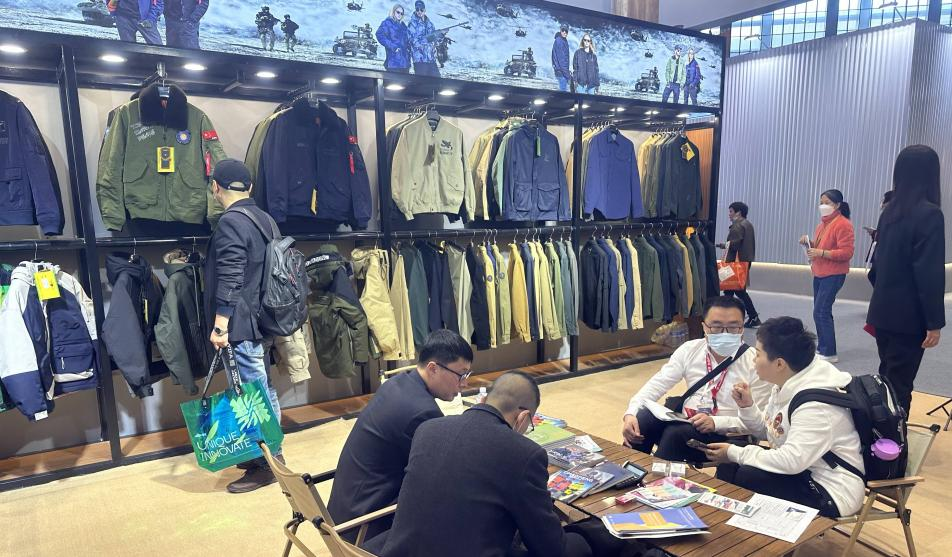
The international trade market demand of fashion clothing is diversified and dynamic. With the improvement of consumers' living standards and the renewal of fashion concepts, the demand for clothing is no longer limited to the basic functions of warmth and body cover, but pays more attention to individuation, quality and fashion sense. Different countries and regions have different cultural, climate, consumption habits and other factors, and also have different preferences for fashion clothing. For example, consumers in European and American markets prefer simple, atmospheric and designeD Clothing, and pay increasing attention to environmentally friendly and sustainablefashion products. In Asian markets, especially China, Japan, and South Korea, consumers not only pursue fashion trends, but also have high requirements for the details, materials and workmanship, and are deeply influenced by local pop culture, such as Korean wave culture drives the popularity of Korean style clothing in Asia and even the world.
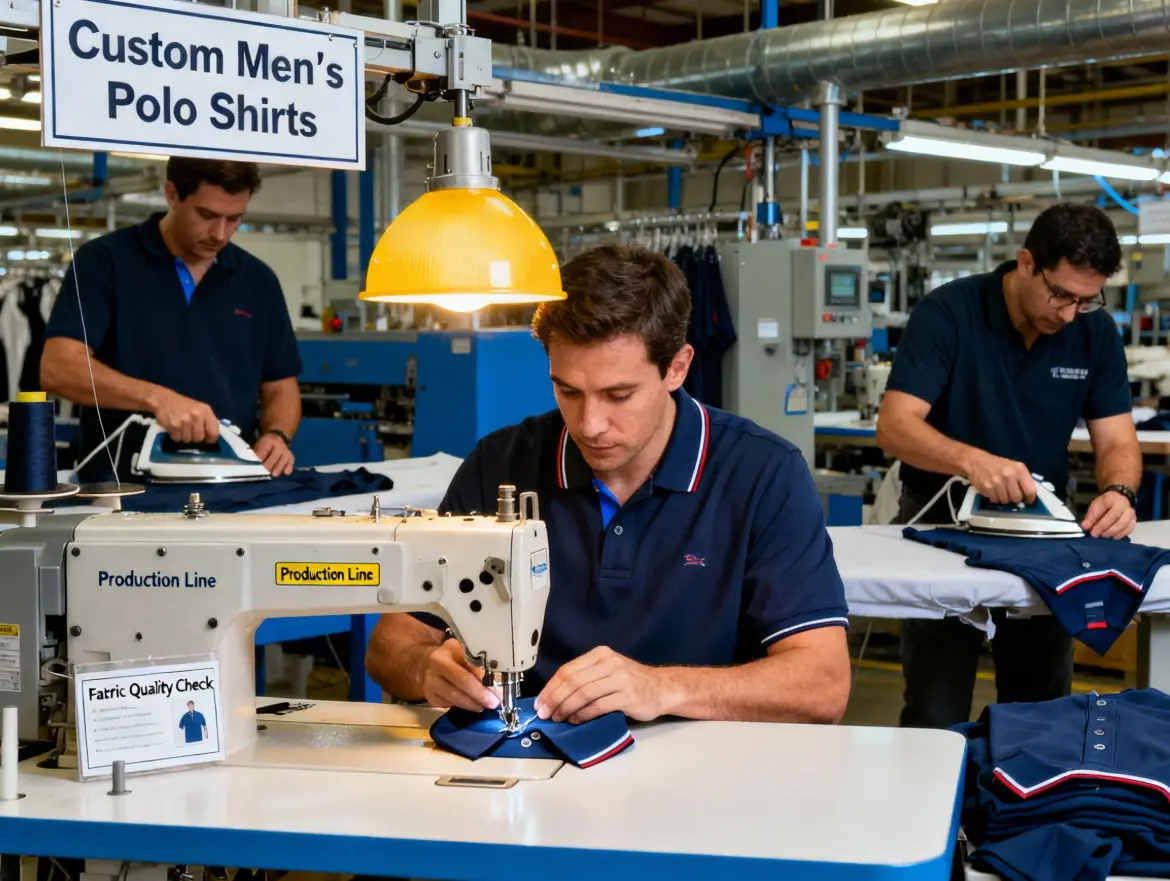
rom the perspective of trade pattern, the global fashion and clothing industry has formed a complex and close supply chain network. As the world's largest garment producer and exporter, China occupies an important position in the global fashion and garment trade with its perfect industrial system, rich labor resources and strong manufacturing capacity. China has a wide variety of clothing products, covering various fields from mass casual wear to high-end fashion, and are exported to many countries and regions around the world. In addition, India, Bangladesh and other South Asian countries are also important garment export destinations. They have strong competitiveness in the middle and low-end garment market with lower labor costs and a certain production scale. In terms of import, the United States, the European Union and other developed countries and regions are the main consumer markets for fashion clothing. Consumers in these regions have high purchasing power, and the demand for all kinds of fashion clothing continues to be strong. At the same time, with the rise of emerging economies, such as Brazil, Russia, India, China and South Africa and other "BRICS countries", the demand for fashion clothing in the domestic market is also growing rapidly, gradually becoming an important force in the global fashion clothing trade.
However, the international trade of fashion and clothing also faces many challenges. With the rise of trade protectionism, the trade friction between countries is increasing, and the tariff barriers, non-tariff barriers and other restrictions have brought a heavy burden to the garment export enterprises. For example, in order to protect their own garment industry, some countries have set strict technical standards and environmental protection requirements, which poses a great obstacle to the garment export of developing countries. In addition, the raw material price fluctuations, rising labor costs and rapidly changing fashion trends have also brought uncertainty to the production and operation of clothing enterprises.
Despite the challenges, the international trade in fashion and clothing also contains many opportunities. With the rapid development of the Internet and e-commerce, cross-border e-commerce has become a new engine of fashion and clothing trade. Through the e-commerce platform, clothing enterprises can directly face global consumers, break geographical restrictions, expand sales channels, and reduce marketing costs. At the same time, consumers can also more convenient access to fashion clothing products all over the world to meet personalized consumer needs. In addition, the global popularity of the concept of sustainable development has created a broad market space for environmentally friendly and green fashion clothing products. More and more consumers are willing to pay higher prices for clothing that use environmentally friendly materials and meet sustainable standards in the production process, which encourages Garment Companies to increase investment and innovation in sustainable development.
The international trade of fashion and clothing occupies an important position in the global economy. Although it faces many challenges, it also has broad opportunities for development. In the future, clothing enterprises need to constantly improve their competitiveness, actively respond to market changes, strengthen innovation and sustainable development, so as to achieve greater success on the stage of global fashion and clothing trade.