



Launch Your Dream: Build Your Own Clothing Brand
Starting your own clothing brand is such an exhilarating journey—one that demands both creative flair and sharp business smarts. The fashion industry’s packed with opportunities for folks willing to carve out a unique space. Succeeding here isn’t just about making stylish threads; it’s about nailing every part of the business, from design to getting stuff to customers. Whether you go for high-quality pieces or lean into print-on-demand to keep costs low, planning like a pro and executing well are what’ll make you stand out.
Launching a fashion brand can cost anywhere from 1,000 to over 500,000, depending on how big and fancy you want it to be. Even a tiny collection of 6 pieces can do great if you focus on quality and know exactly what your brand’s about. What really counts is how each piece clicks with the people you’re trying to reach.

Key Takeaways
●Building a clothing brand needs a mix of creativity and street-smart business moves.
●Budgets can be as low as 1,000 or as high as 500k+, depending on what you’re aiming for.
●Focusing on quality over having tons of items can make your brand popin a crowded market.
●Print-on-demand services are a lifesaver for small orders—super cost-effective.
●Knowing your way around every part of the business is a must if you want to thrive.
Hone Your Fashion Design Skills
Getting better at fashion design is non-negotiable if you want to make a clothing line that stands out. You can learn by taking classes or teaching yourself—either way, mixing book smarts with actually designing stuff is key.
The Value of Formal Fashion Education
Formal training in fashion design is a total game-changer for newbies. Schools like Parsons and Central Saint Martins teach you all the skills you need, from the basics to fancy advanced stuff. These programs hook you up with:
●The latest industry rules and tricks
●Honest feedback from pros who’ve been around the block
●Chances to rub shoulders with big names in the industry
Joining these programs helps you get better in a structured way—you’ll learn both the theory and the hands-on stuff you need to make it.
Self-Learning Paths
Iconic designers like Vivienne Westwood and Dapper Dan totally taught themselves, and you can too. These days, there are loads of resources to help you learn on your own:
●Online tutorials and video courses
●Cool tools like Digital Fashion Pro
●E-books and workshops you can do at your own pace
This way, you learn when it works for you, focusing on what fits your style and goals. Sites like these are total goldmines for figuring out your creative vibe.
On-the-Job Experience
There’s nothing like learning by doing. Interning or working with experienced designers gives you a front-row seat to how things really work. Out in the field, you’ll pick up:
●What the industry actually expects in terms of quality and deadlines
●How the business side of fashion design works (way more than just sketching!)
●A network of contacts who can help you out later
Our experts say you should definitely hunt for internships or entry-level design jobs—this hands-on stuff sharpens both your creative skills and your business sense.
With the right mix of learning and practice, launching a successful clothing brand is totally doable. Let’s dive in—your fashion dream is closer than you think.
Craft a Clothing Business Plan
A soliD Clothing business plan is your roadmap to not crashing and burning. It lays out your business model, money strategy, and legal stuff. Studies show entrepreneurs with a formal plan are 16% more likely to make it—proof that starting with a clear plan pays off.
Define Your Business Model
First off, figure out how you’re gonna get your products to people. Options include selling directly to customers, teaming up with retailers for wholesale, or using print-on-demand. Each has its upsides: direct sales mean more cash per item, while wholesale lets you sell tons at once. Pick what fits your brand’s goals and what you can handle.
Financial Planning & Budgeting
Smart money management is make-or-break. Launching a clothing brand can cost anywhere from 1,000 to over 500,000, covering materials, people to make the clothes, and getting the word out. A good plan can make you grow 30% faster. Make sure you list out all expenses: making the clothes, shipping, ads—everything.
Legal Structure & Registration
Picking the right legal structure—like LLC, S corporation, or just being a sole proprietor—makes your brand legit. You’ll also need permits, apparel certifications, and business insurance. Nailing these details protects your brand and keeps things running smoothly.
A strong plan not only helps you get funding but also keeps you from veering off track. Use these steps to build a foundation that’ll last.
Stay Ahead of Fashion Trends
Trends totally shape what people want to buy—knowing them is key for any fashion brand. Designers like Sarah Donofrio are pros at mixing trends with their own style, keeping their stuff fresh but still them.
Why Trend Analysis Matters
Spotting trends helps you guess what buyers will be obsessed with next. By keeping an eye on fashion weeks, social media, and expert predictions, you can position your brand to meet (or even lead) what people want. This stuff lets you stand out in a super crowded market.
Aligning Trends with Your Brand
Once you see a trend, twist it to fit your brand’s vibe. Pick trends that match what you care about, then add your own spin. This balance keeps your brand looking current but not like everyone else—customers who love both style and authenticity will eat that up.
Staying True to Your Vision
Fashion changes all the time, but your brand’s identity should stay steady. Mix new trends with your signature style—this way, your collections feel like you while still appealing to the people you want to buy from you. Being real builds loyalty; customers trust brands that don’t flip-flop.
“Fashion is about dressing according to what’s fashionable. Style is more about being yourself.” – Oscar de la Renta
| Trend Aspect | Key Considerations |
| Market Analysis | Check out industry shifts, what people are buying, and what’s in demand. |
| Brand Alignment | Make sure trends fit with what your brand stands for. |
| Design Authenticity | Add trends without losing your unique style. |
| Customer Engagement | Use social media and feedback to see what people like. |
By using trends smartly, you’ll connect with your audience big time—making collections that stay in style and true to your brand.
Build a Strong Brand
In fashion, a strong brand is way more than a cool logo—it’s an identity that people connect with. It’s about telling a story and having a look that makes people go, “That’s so them.”
Craft Your Brand Identity
Your brand identity starts with knowing who you’re selling to and what makes you different. For example, Outdoor Voices focuses on athletic wear for everyone, while Everlane is all about being honest and ethical. These values are the backbone of your brand. Steps to nail yours:
●Make a logo people won’t forget—it helps them recognize you and come back.
●Tell a brand story that connects with what your audience cares about.
●Pick colors and design stuff that show off your brand’s personality.
A website that’s easy to use is a must—people spent almost $4 trillion online in 2020, so being visible online is huge.
Master Social Media Strategy
Social media—especially Instagram—is awesome for getting your brand out there. A great social plan includes:
1.Posting high-quality stuff that fits your brand’s look regularly.
2.Chatting with followers in comments and stories to build a community.
3.Teaming up with influencers your target audience loves to get more eyes on you.
In 2020, 46% of U.S. women bought clothes online—so being where your audience hangs out online is a no-brainer. The athleisure market’s gonna hit $662.56 billion by 2030, showing that focusing on a niche and nailing social media works.
Keep Your Brand Consistent
Being consistent builds recognition and trust. Every time someone interacts with your brand—from posts to packages—it should look and feel the same. Top brands do this by:
●Using the same logos, colors, and fonts everywhere.
●Talking in the same tone in all messages.
●Updating your brand rules to stay fresh without losing your vibe.
Millennials—who are a big fashion audience—love brands they can relate to. A consistent story and look make your brand stronger.
Design & Develop Your Clothing Line
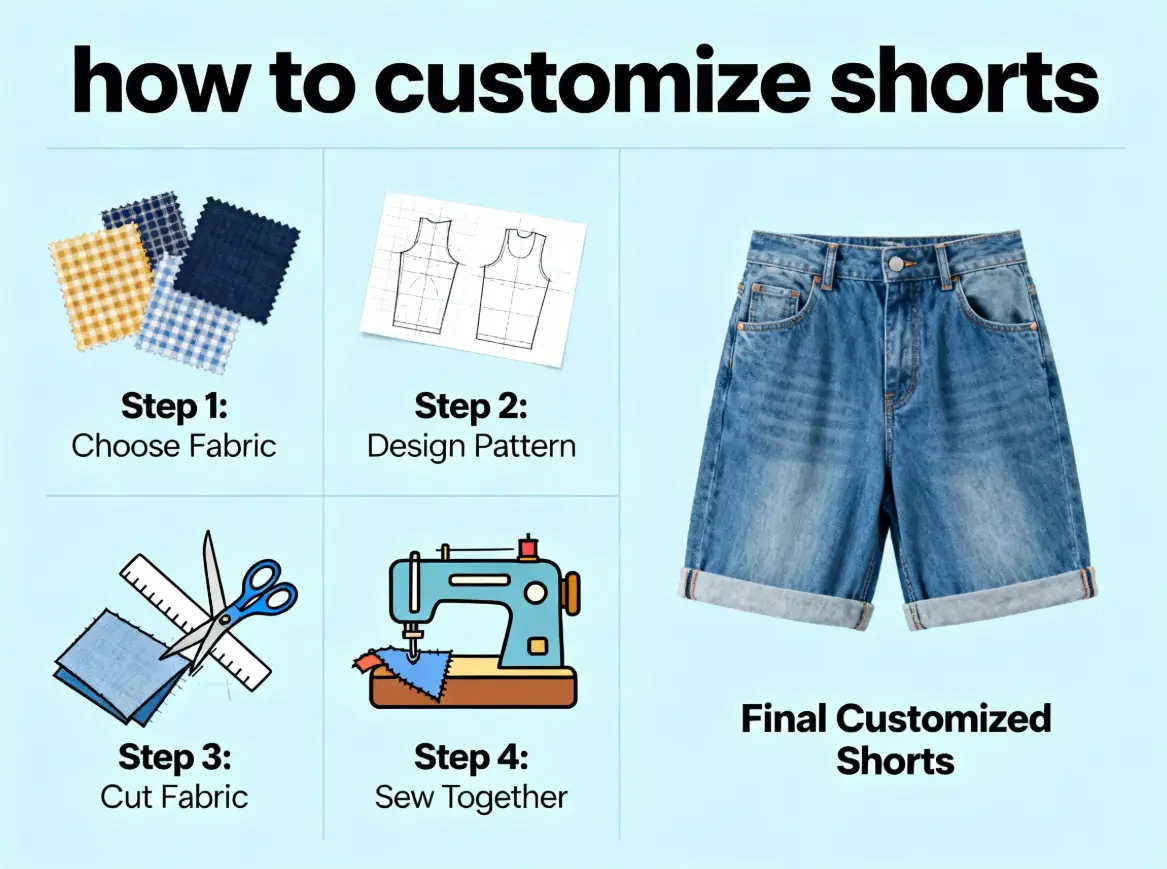
Bringing your clothing line to life starts with a clear vision. The journey from sketching to making a real product mixes creativity with being super precise. Sketches turn into prototypes, which become polished samples.
Market research is key here—knowing what your customers want shapes your designs. It’s smart to keep tweaking your work based on what people say. This helps your clothes stand out to the people you want to sell to.
Staying on top of trends but keeping your brand’s vibe is crucial. It makes your line unique in a crowded market.
“Knowing your target customer can totally make your range planning and designs work better.”
To make the design process easier, use a detailed Tech Pack—it lists specs and instructions, which is crucial for making prototypes. Making sure colors and materials match makes your collection look put-together, which attracts the people you want to buy from you.
| Model | Description | Cost Range | Advantages |
| Print-on-Demand | Quick to start with almost no storage needed | 500 – 5,000 | Cheap, launches fast |
| Private Label | Make in bulk with more control | 1,500 – 50,000 | More profit, better quality control |
| Cut-and-Sew | Control everything from start to finish | 5,000 – 50,000 | Totally customizable |
Turning an idea into something you can sell takes time—usually a year or more. Working with pros makes your items better. In the end, all that work pays off: a unique collection that connects with your audience.
Source Fabrics or Create Your Own
Picking the right fabrics is a big deal in fashion. Whether you buy existing textiles or make your own, a smart plan ensures quality and uniqueness. Let’s talk about sourcing fabrics, networking in the industry, and designing textiles.
Fabric Sourcing Tips
Knowing fabric properties and trends helps you pick the best materials. Keep these in mind:
●Weight & Use: Activewear needs 200–300 GSM; standard tees work with 130–180 GSM.
●MOQs: Mills often want you to buy 500+ yards—tough for small brands, but some suppliers sell smaller amounts.
●Costs & Lead Times: Sample fabrics cost 3–5 more per yard than bulk. Getting them takes 4–8 weeks.
●Sustainability: Look for certifications like GOTS or OEKO-TEX to appeal to people who care about the planet.
Networking in the Textile Industry
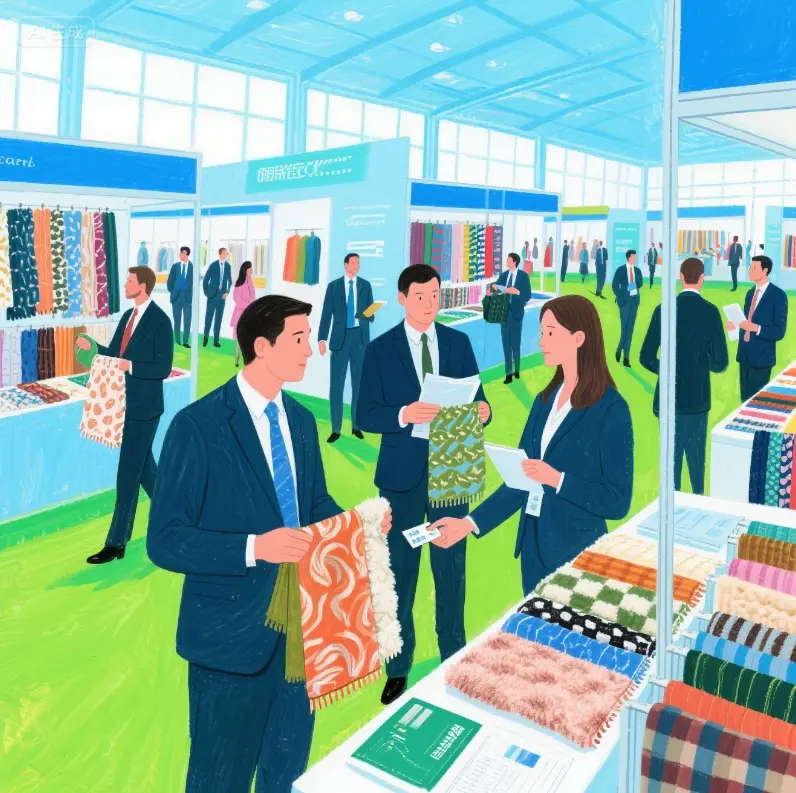
Being friends with suppliers gets you better prices, faster delivery, and cool materials. Go to fabric trade shows—figure out who you want to meet beforehand to make the most of it.
“Networking in the textile industry opens doors to awesome materials and exclusive collabs.”—Fashion Industry Expert
Designing Custom Prints
Making your own prints makes your brand stand out. Here’s how to do it right:
●Team up with textile designers to make prints that fit your brand.
●Test samples a lot—see how they hold up after washing to make sure they last.
●Remember, custom fabrics cost more because of design fees and sample prices.
| Fabric Type | Weight (GSM) | Common Uses |
| Activewear | 200–300 | Leggings, sports bras |
| Lounge Pants | 180–250 | Comfy home clothes |
| Standard Tees | 130–180 | Everyday casual wear |
| Lightweight Tees | ≤130 | Summer tops, layering |
Set Up Production & Manufacturing
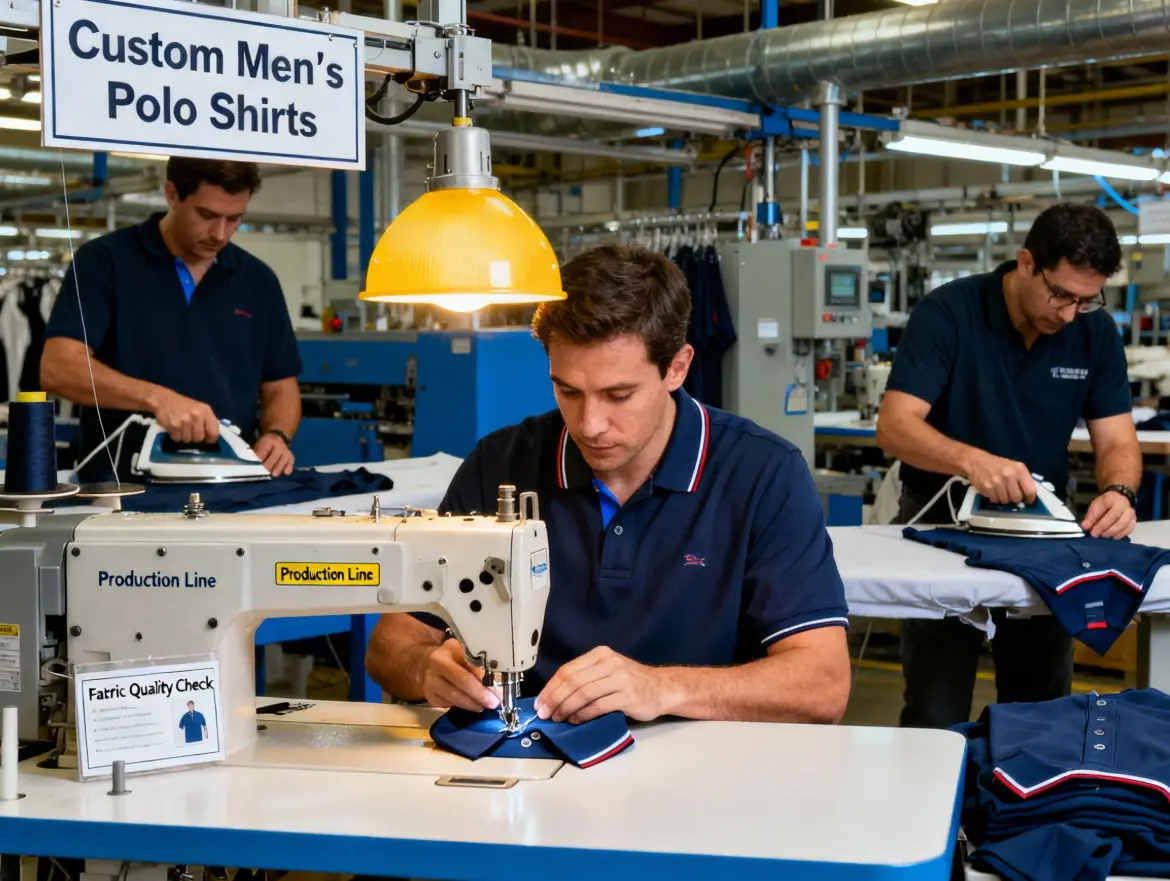
Nailing production is key to your brand’s success. You need to understand several important steps: picking the best manufacturing partner, deciding whether to make stuff yourself or outsource, and making sure quality’s top-notch. Let’s break it down.
Choosing a Manufacturing Partner
Your manufacturing partner affects how good your products are—choose carefully. Think about:
●Experience: Do they know how to make the kind of clothes you’re selling?
●MOQs: Can they make the number of items you need?
●Sustainability: Do they care about the environment?
●Communication: Good talking helps avoid problems.
In-House vs. Outsourced Production
Deciding whether to Make Clothes yourself or hire someone else depends on your budget, how much control you want, and how easy it is to make more as you grow.
| Parameter | In-House Production | Outsourced Production |
| Quality Control | High (you watch everything) | Moderate (depends on the partner) |
| Initial Investment | Higher | Lower |
| Scalability | Less flexible | Super easy to scale |
| Fixed Costs | Higher (equipment, staff) | Lower |
| Flexibility in Design Changes | High (easy to adjust) | Depends on the partner |
Quality Control Essentials
Great quality control makes sure every item makes customers happy. Important steps:
●Check materials and production halfway through to catch issues early.
●Make sure everything matches specs: size, stitching, fabric weight, finishes.
●Use detailed Tech Packs so manufacturers know exactly what to do.
●Check products one last time before shipping to make sure they’re perfect.
By focusing on these details, your clothing line will launch with great quality—keeping customers coming back.
Build Pricing & Inventory Strategies
Smart pricing and inventory management are what make a clothing business profitable. By using good pricing strategies, managing stock well, and knowing what customers do, you’ll make more money and work more efficiently.
Pricing to Compete
Setting prices means knowing your costs, what customers want, and how they see your products. Add up all costs: materials, making the clothes, shipping—and aim for a 25% profit margin to stay in business. Show off what’s special about your brand with value-based pricing, and use tricks like 9.99 instead of 10 to get people to buy.
| Pricing Strategy | Description | Example |
| Cost-Based | All production costs + the profit you want | A 20 dress sold for 60 |
| Market-Based | Match or be cheaper than competitors | Pricing a tee at $20 like everyone else |
| Value-Based | Price based on how unique people think it is | Charging $50 for a custom fabric design |
Inventory Management Hacks
Avoid having too much stock (which wastes money) and running out (which makes you lose sales). Use these tips:
●Look at sales data to guess what will sell.
●Sell online to reduce storage costs and track stock in real time.
●Change prices based on how much you have—discount slow-selling items to make space.
Understanding Customer Behavior
Knowing what your customers like helps you make smart choices. Study their preferences to make pricing and inventory better. Plan sales and deals carefully to attract shoppers and keep up with competitors. Keep changing your strategies—what people want shifts, and being flexible keeps you relevant.
Plan Collections Around Fashion Seasons
Fashion runs on seasons—designing with that in mind keeps your brand in line with what customers want and what’s popular.
Aligning with Seasonal Trends
The industry has two main seasons: Spring/Summer (S/S: late February–July) and Autumn/Winter (A/W: August–January). Use the right materials: light fabrics like silk crepe for S/S; heavy fabrics like wool for A/W.
Building Evergreen Collections
Timeless pieces—like classic tees or versatile jackets—sell all year. They balance seasonal trends, giving your brand steady sales.
Production Timelines
Plan backward from when you want to launch to stay on track. Sarah Donofrio says:
●Finish designs by late May.
●Pick models over 10 days in June.
●Give production 3 months, with busy days before launch.
For seasonal collections, start planning 7–8 months ahead; for timeless pieces, 6–7 months. Tools like Audaces make this easier, helping teams work together smoothly.
Market & Sell Your Clothing Line
Marketing your clothing brand takes creativity and strategy. By using digital tools, working with influencers, and looking at data, you’ll stand out in a crowded market.
Choose Your Sales Channels
Amazon, a top trusted platform in 2023, lets you tell your brand’s story and reach lots of people. Use Sponsored Brands ads to get more visibility. Your own website—optimized so people can find it on Google—brings in direct sales and builds loyalty.
Leverage Social Media
Platforms like TikTok, Instagram, and Pinterest are great for getting people interested:
●Post regularly: behind-the-scenes stuff, styling tips, new items.
●Talk to followers in comments and stories to build a community.
●Team up with influencers who fit your brand to reach more people.
Email Marketing & User-Generated Content
Email keeps you in touch with customers—personalized messages make them buy again. User-generated content (like customer photos) builds trust and feels real.
Data-Driven Adaptation
Keep track of what works: how people engage, sales from promotions, customer feedback. Change your strategy to focus on what’s working. Even though it costs more, traditional ads (like billboards or magazines) still help when mixed with digital