


Start a Clothing Line: A Step-by-Step Guide
Building a successful clothing line blends fashion design skills with sharp business sense. From your first idea to selling your designs, we’ll walk you through every step. Whether you’re new to starting a clothing brand or looking to level up your existing business, we’ve got you covered. You’ll learn how to identify your audience, craft a solid plan, source the best materials, and handle production—plus, get insights from successful brand owners on what it takes to stand out in fashion’s busy landscape.

Key Takeaways
●The shift to online shopping opens big e-commerce opportunities for new clothing brands.
●A unique style can help new brands turn a profit, even in a saturated market.
●Startup costs for a clothing line range from a few hundred to several thousand dollars.
●Consumers increasingly prefer brands with sustainable, ethical production practices.
●Ordering samples before full production ensures quality and proper fit.
●Platforms like Shopify (for e-commerce) and Etsy (for marketplaces) cater to different brand scales and goals.
Hone Your Fashion Design Skills
Standing out in fashion means mastering core skills: pattern grading, sewing, and draping. These skills let you set trends and create one-of-a-kind pieces.
Master Tailoring Techniques
Nailing tailoring is non-negotiable. You’ll need to adjust lengths, shapes, and fits to create clothes that flatter. Understanding pattern-making and stitching turns creative ideas into wearable reality—no detail is too small.
The Value of Formal Education
Self-learning has its place, but formal fashion education offers unique perks. Fashion schools keep you updated on industry standards, connect you with peers, and provide expert feedback. Institutions like Parsons and FIT lay a strong foundation for your career.
Gain On-the-Job Experience
Working in the fashion industry teaches you more than design—it hones business skills and fuels creativity. Brands like Sarah Donofrio’s success story highlight how hands-on experience complements classroom learning, giving you a well-rounded edge.
Craft a Clothing Business Plan
A strong business plan is your roadmap, outlining strategies for branding, budgeting, and growth. By understanding different fashion business models, you’ll pick the best path and attract investors.
Fashion Business Models
From direct-to-consumer to print-on-demand, each model has pros and cons:
●Direct-to-consumer: Gives you full control over your brand and customer data but requires a strong sales strategy.
●Wholesale: Sells in bulk to retailers, requiring solid relationships and coordination.
●Print-on-demand: Lowers startup costs but often means smaller profit margins.
Choose Your Business Structure
Your legal structure affects risk, taxes, and operations. Options include:
●Sole Proprietorship: Simple to set up but puts personal assets at risk.
●LLC: Protects personal assets and offers flexibility—popular for small brands.
●B Corp: Focuses on social and environmental good, appealing to conscious consumers.
Estimate Startup Costs
Costs vary by model—here’s a breakdown:
| Startup Item | Estimated Cost |
| Clothing Production | 500 – 50,000 |
| Design Software (e.g., Adobe Illustrator) | $21/month |
| Marketing Budget | 100 – 5,000 |
| Shipping Fees | 50 – 1,000 |
Build a Financial Plan
A detailed financial plan keeps your business profitable and cash flow healthy. Include:
1.Revenue Projections: Use market research and pricing strategies to estimate sales.
2.Cost Analysis: Track fixed and variable costs to avoid financial pitfalls.
3.Funding Needs: Figure out how much capital you need and where to get it (savings, loans, investors).
Smart financial planning reduces risks and sets your line up for growth.
Follow Fashion Trends
Understanding fashion trends is key to standing out in a fast-changing industry. Trends shift quickly, creating opportunities to innovate and capture attention. Here’s how to adapt trends to your brand and target niche markets.
Adapt Trends to Your Brand
Blending trends with your brand’s identity boosts visibility. For example, Sarah Donofrio skillfully weaves trends into her designs while keeping her brand’s unique vibe. To do the same:
●Stay in the loop: Follow fashion weeks, influencer styles, and retail reports for the latest trends.
●Get creative: Put your own spin on trends to match your brand’s voice.
●Stay consistent: Ensure trends align with your brand’s message and aesthetic.
Even small ranges (3–8 styles for womenswear) can launch successfully by adapting trends in a way that feels authentic.
Target Niche Markets
Focusing on niche markets builds stronger engagement and loyalty. Here’s how:
●Research: Find consumer groups overlooked by big brands.
●Craft a unique value proposition (UVP): Tailor your offer to their specific needs.
●Narrow your focus: Specialize in one product type (e.g., skirts) to strengthen your brand identity.
With the industry growing—driven by demand for eco-friendly products and tech integration—niche targeting can help you win a dedicated customer base.
Build a Strong Brand
Building a fashion brand is more than designing a logo—it’s about telling your story, living your values, and staying consistent across every touchpoint.
Define Your Brand Identity
Start by clarifying your core values, mission, and what makes you different. A strong identity can boost brand recognition by 30%, building trust and repeat customers in a competitive market.
Create Brand Guidelines
Once your identity is clear, set guidelines for fonts, colors, and tone of voice. Consistency makes your brand look professional and can increase customer loyalty by 20%.
Leverage Social Media
Social media is a powerful tool for building your brand today. Instagram, Pinterest, and TikTok let you share your story and connect with audiences—done right, they can skyrocket visibility and engagement. Brands that actively engage followers often see sales jump by 30%.
Building a strong brand takes ongoing effort and adaptability, but focusing on identity, consistency, and social engagement sets you up for long-term success.
Design Your Own Clothing Line
Starting a clothing line mixes passion for fashion with attention to detail. In the early stages, balance creativity with practical steps: know market trends, understand your audience, and create designs that resonate.
Sketch Your Designs
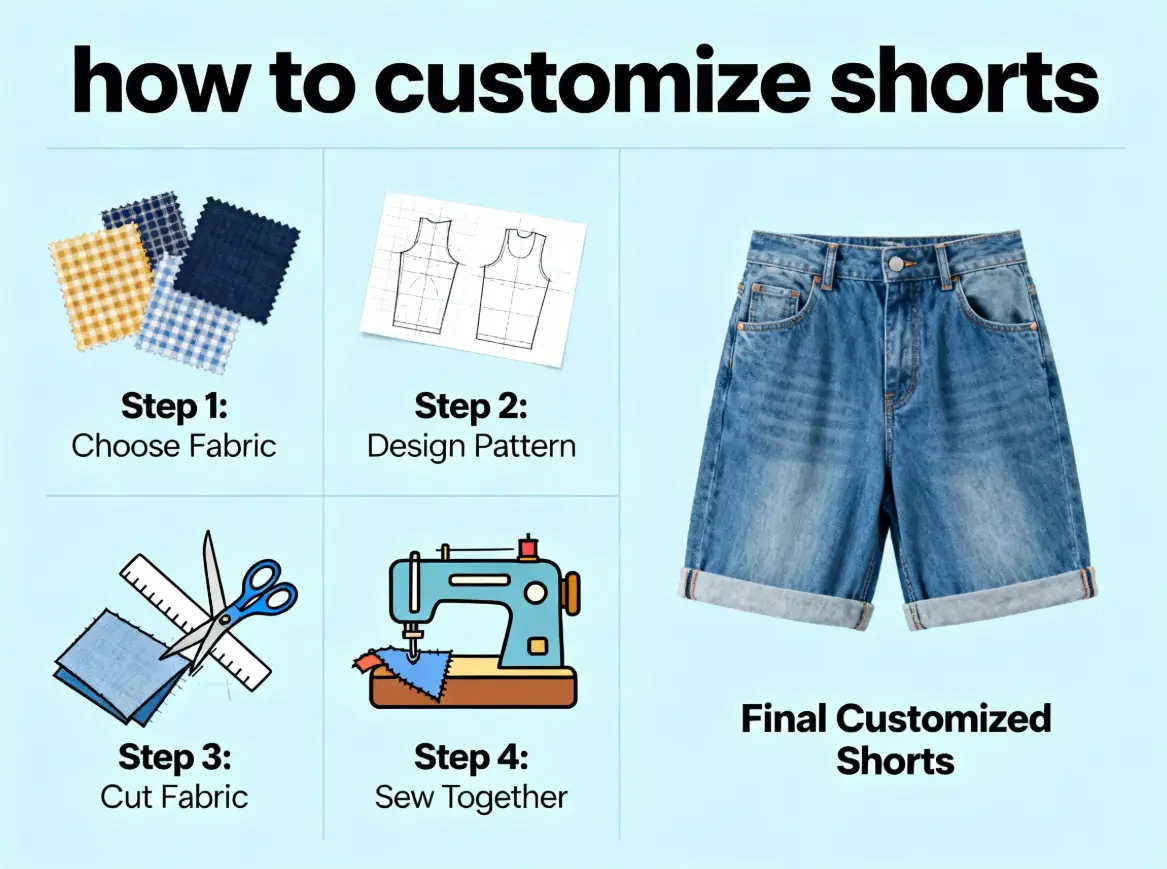
Sketching turns ideas into visuals—a small but critical part of running a clothing business. Keep colors and materials consistent across styles to create a cohesive collection. Detailed sketches feed into your Tech Pack, which includes every detail needed for production.
Make Clothing Samples
After sketching, create samples to test if designs work in real life. Adjust based on what you learn—clothes need to look great at first glance. Collaborating with stylists or experts can refine your collection; a unified look takes work but pays off in sales.
Outsource Production
Once samples are finalized, scale up with production. Outsourcing lets you focus on design and branding—just pick Manufacturers that match your quality and ethical standards. Detailed Tech Packs are key to smooth, consistent manufacturing.
Designing a line means blending art with precision. Keep iterating, and mix creativity with business savvy—your line will stand out in no time.
Source Fashion Fabrics
Sourcing fabrics shapes your clothes’ look, cost, and sustainability. Choose materials wisely by understanding their properties.
Fabric Types
●Knits: Stretchy and comfortable, perfect for activewear. Made from materials like cotton or linen, they work best for fitted styles.
●Wovens: Structured, with crisscrossing yarns—ideal for jeans, jackets, and formal wear.
Where to Source Fabrics
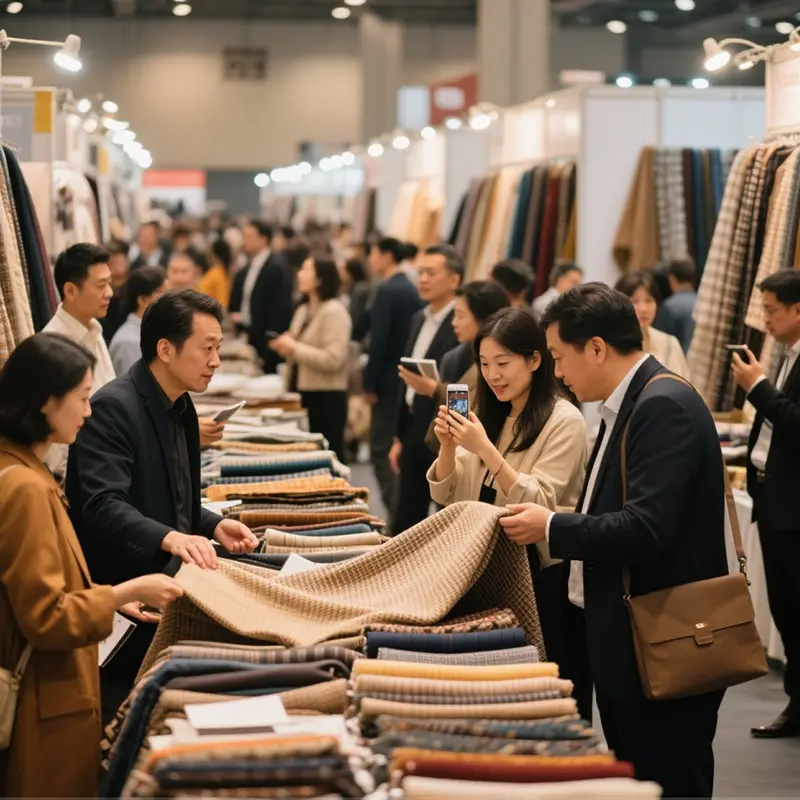
Attend trade shows like The Fabric Shows or Texworld to connect with suppliers. New designers can grab swatches for 5–10 to test quality.
Keep minimum order quantities (MOQs) and lead times in mind: samples often require 5+ yards, while bulk orders may need 500+ yards. Prices vary widely, so compare options.
Sustainable Fabrics
Consumers care about sustainability—look for certifications like GOTS or OEKO-TEX, which confirm eco-friendly practices. These certifications attract conscious buyers and align with industry trends.
| Fabric Type | Common Uses | GSM (Grams per Square Meter) |
| Knitted | Activewear | 200 – 300 GSM |
| Knitted | Standard T-shirts | 130 – 180 GSM |
| Woven | Formal Pants | Varies by thread count |
Smart fabric sourcing fits your design needs and brand values—choosing sustainable options can set you apart in a crowded market.
Set Up Production & Manufacturing
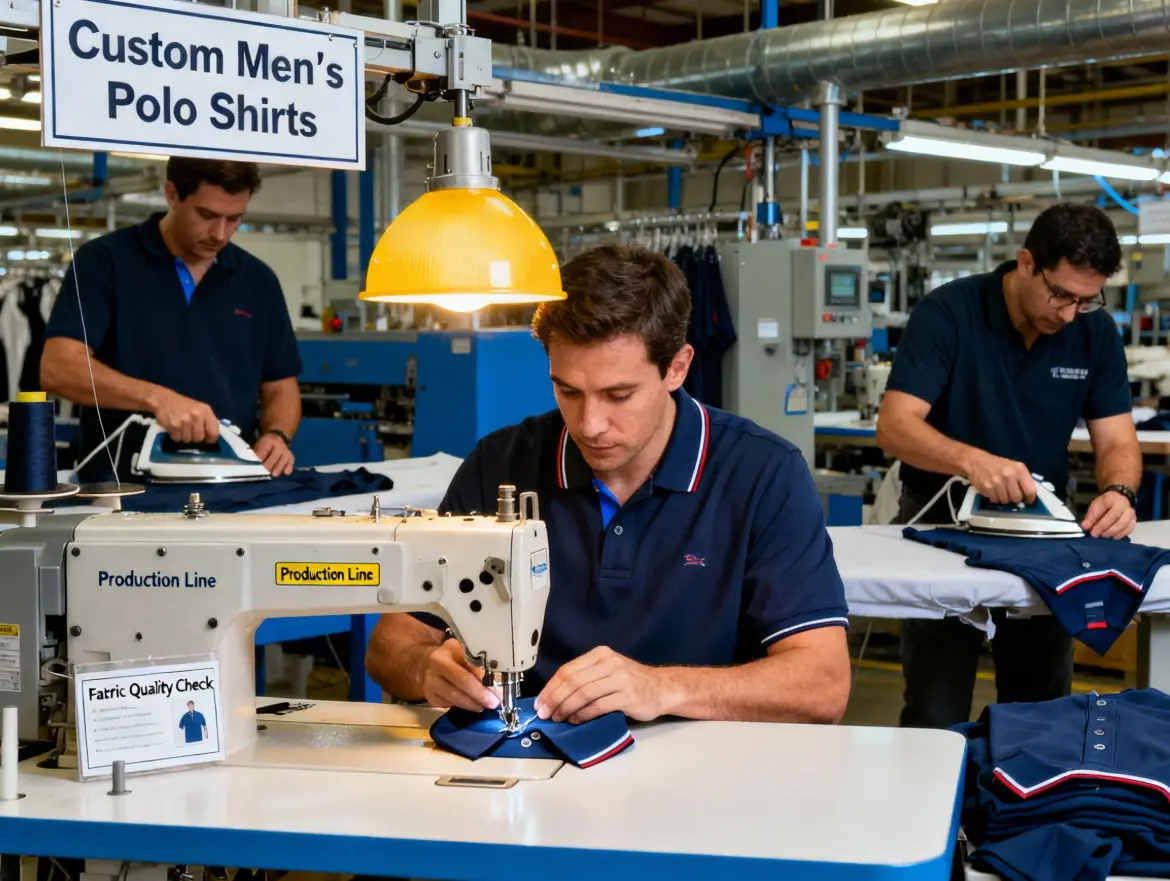
When launching a fashion line, you’ll decide between in-house production or partnering with external factories. Each choice affects quality, cost, and control.
In-House Production
Making clothes in-house gives you full control over every step. You’ll ensure top quality and can quickly adapt to trends or feedback. Trade-offs? Higher overhead costs. Benefits include:
●Complete oversight of manufacturing
●Flexible production schedules
●Tighter quality control
●Direct response to customer needs
Partner with Manufacturers
Teaming up with expert factories boosts production capacity and brings specialized skills. They offer options like CMT (Cut, Make, Trim) or FPP (Full Production Package), letting you choose your level of involvement. Perks include:
●Potential cost savings
●Access to advanced technology
●Reduced operational workload
●Note: Most have minimum order quantity (MOQ) requirements
Ensure Quality Control
High quality keeps your brand reputable and customers happy. Check quality at every stage—before, during, and after production—with steps like:
●Inspecting fabrics for flaws or color issues
●Using precision tools (single-needle or computerized sewing machines) for consistent stitching
●Testing durability (pull tests, fatigue tests)
●Leveraging CAD or laser-cutting for accuracy and less waste
Whether you produce in-house or partner with factories, prioritizing quality is non-negotiable. Efficient, high-standard production builds a brand customers trust.
Build Pricing & Inventory Strategies
Running a profitable clothing brand means nailing pricing and inventory management. Here’s how to balance profitability and efficiency.
Price Your Clothing Line
Find the sweet spot between profit and competitiveness:
●Cost of Goods Sold (COGS): Include materials and labor. If COGS is 35, price at 70+ to stay profitable.
●Market positioning: Match competitor prices for similar items (e.g., if leggings sell for 110–120, price yours in that range).
●Profit margins: Aim for 50%+ on direct sales; 25–30% for wholesale.
●Promotions: Use sales or holiday discounts to move inventory faster.
●Review prices: Check and adjust every 6–12 months to keep up with costs and market shifts.
Manage Inventory Effectively
Good inventory management meets demand without waste. Best practices include:
●Track lead times: Know how long production and shipping take to avoid stockouts.
●Use automation: Tools that update inventory in real time reduce errors.
●Optimize warehousing: Real-time tracking keeps the supply chain smooth.
●Forecast demand: Accurate predictions cut down on excess stock or shortages.
●Watch carrying costs: Minimize spending on storage, handling, and purchasing.
| Metric | Description |
| Sell-Through Rate | Percentage of items sold in a month (or period). |
| Inventory Turnover | How quickly stock sells through in a year. |
| MAPE | Measures forecast accuracy: ( |
These strategies improve forecasts, cut waste, and boost profits.
Plan Collections Around Fashion Seasons
Collection planning revolves around fashion’s two main seasons: Spring/Summer and Fall/Winter. These seasons shape design, production, and marketing—predicting trends early ensures your collection hits shelves on time.
Mini-collections for holidays (Valentine’s Day, Christmas) keep your brand relevant, meet specific demands, and boost sales.
Design with your audience in mind: consider gender, age, and income. For example, a line might target “Cosmopolitan Women” (25–35) or high-end shoppers—tailor styles to their tastes.
Nail the technical details: create production lists, set timelines, and ensure your collection size fits your brand (small and focused or large and varied). Most successful lines mix staples (tops, dresses) with standout pieces to highlight your brand’s uniqueness.
After launching, review what worked—this helps you improve. With the fashion industry worth $2.5 trillion, smart planning can turn your collection into a hit.
Conclusion
Starting a clothing line blends creativity with business know-how. This guide walks you through the basics: honing design skills, crafting a plan, following trends, and building a brand.
A solid business plan makes your brand 16% more likely to succeed. Niche targeting clarifies your identity, while understanding competitors, pricing right, and planning for seasons keeps you on track.
Remember: fashion isn’t just about design—it’s about knowing your audience, leveraging e-commerce, and partnering with influencers. Social platforms like Instagram are powerful for building your brand and setting trends.
With the right mix of creativity, strategy, and market smarts, you’re ready to turn your fashion dream into a thriving business.