




Sustainable fashion: How the men's wear industry achieves a carbon-neutral supply chain
—— Siyinghong men's wear is reshaping the future of the industry with the ESG concept

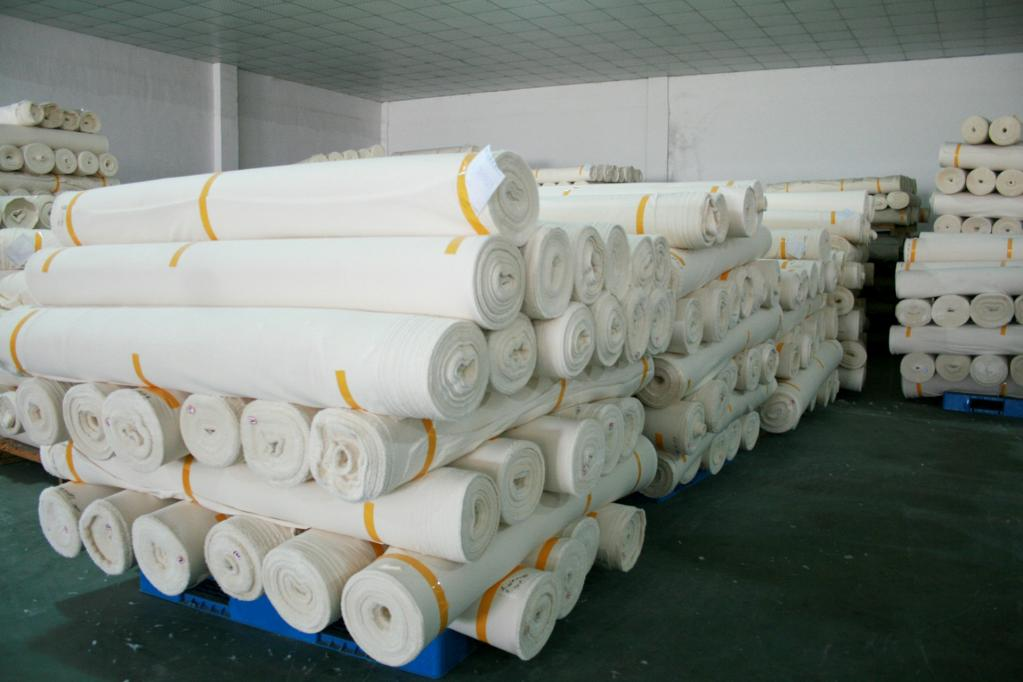
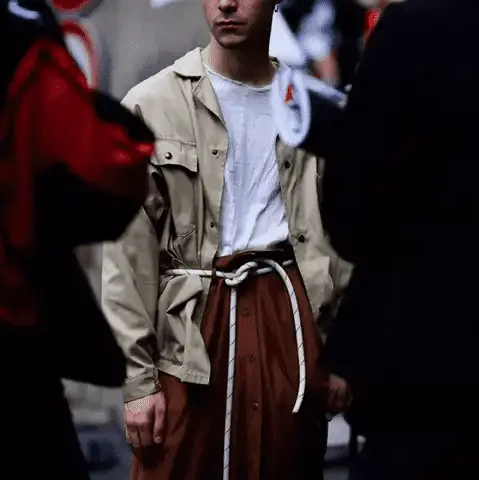
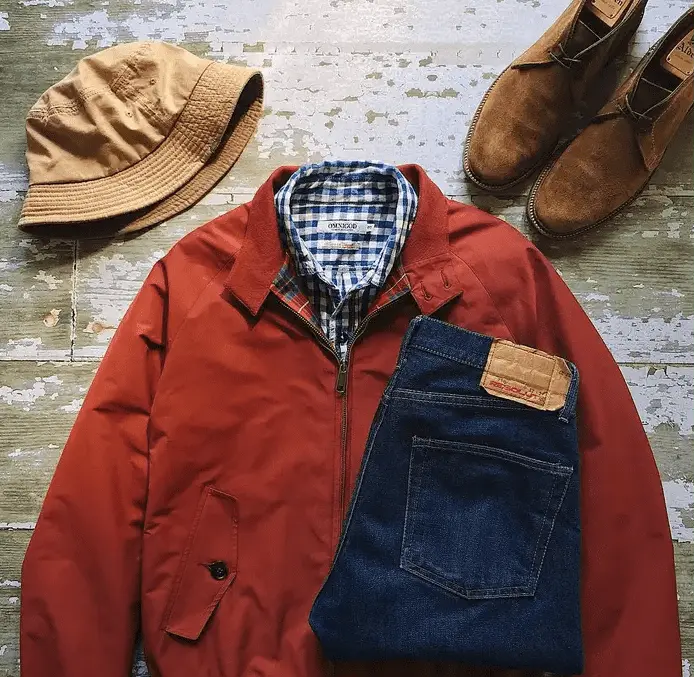
Driven by the global climate crisis and consumption upgrading, sustainable fashion has been transformed from the concept to the core competitiveness of the men's wear industry. As an integrated industrial and trade enterprise adhering to the concept of ESG (environment, society and governance), Siyinghong men's clothing integrates environmental protection genes into every link of design, production and sales. This paper will deeply analyze our practice in carbon neutrality and supply chain, and how to promote the green transformation of the industry through innovative processes.
1. Carbon-neutral supply chain under the ESG framework: from concept to action
The ESG concept requires enterprises to pursue both environmental and social responsibility while pursuing economic benefits. Our carbon-neutralizing supply chain focuses on three major dimensions:
- Environment : Reduce the carbon footprint through renewable energy, recycling materials, and low-carbon transportation.
- Society: protect the rights and interests of workers in the supply chain, support environmental public welfare and community development.
- Governance: Establish a transparent supply chain management system and promote the development of industry standards.
Data support: By 2024, we have achieved a 38% reduction in carbon emission intensity in the supply chain, renewable energy accounted for 65%, and been recognized by the Global Organic Textile Standard (GOTS), carbon neutral Certification (PAS 2060) and other authorities.
2. Core initiatives: the green revolution, from raw materials to the terminal
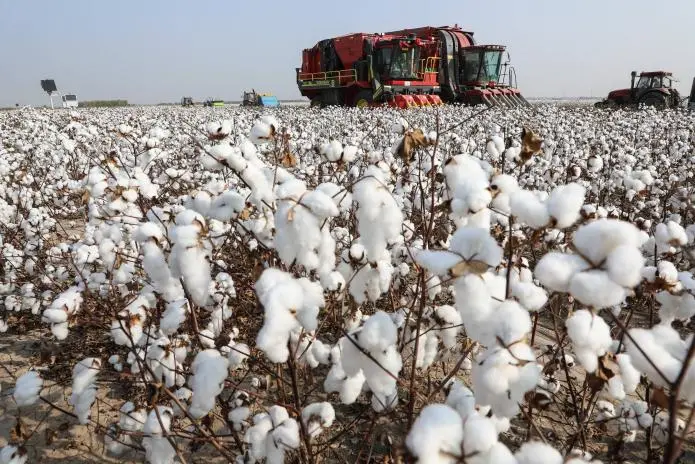
1. Source innovation: 100% organic cotton and recycled materials
- Organic cotton cultivation: In cooperation with organic cotton farms in Xinjiang and India, rainwater irrigation and biological control technology are adopted to reduce water consumption by 91% and pesticide use by 100%.
- Cycle process:
- Recycling of old clothes: establish the "old clothes for new" plan, consumers can exchange old clothes for new discounts, and recycled fabrics are crushed and recycled into recycled polyester.
- Marine plastic regeneration: Cooperate with environmental organizations to convert Marine plastic waste into polyester fiber, using 30% in the spring and summer 2025 series.
2. Production link: zero-carbon factory and intelligent emission reduction
- Clean energy: solar panels are installed on the roof of the factory, covering 70% of the annual electricity generation and the remaining 30% of green electricity.
- Low carbon process:
- Anhydrous dyeing technology: supercritical CO ₂ dyeing is adopted to save water by 90% and reduce energy consumption by 60%.
- 3D virtual proofing: reduce fabric waste by 50% through digital design.
3. Transportation and sales: Build a green circulation closed-loop
- Logistics optimization: cooperate with DHL to adopt electric truck distribution, and select carbon neutral flights for international transportation.
- Carbon offsetting Program: Life-cycle carbon emissions are offset through certified carbon sink projects such as Mangrove Conservation and Wind Power Projects.
3. Social value: enabling a sustainable future with fashion
- Fair labor practices: Supply chain factories are 100% certified by SA8000 social responsibility standards, and workers pay 25% higher than the industry average.
- Community empowerment: 1% of sales will be donated to the Rural Revitalization and Environmental Protection Fund to support the transformation of Yunnan cotton farmers into organic planting.
4. Industry impact and future outlook
- Standard formulation: lead the establishment of "China Men's Wear Sustainable Development Alliance", and promote the implementation of "Men's Wear Carbon Neutral Supply Chain Technical Guide".
- Technology sharing: open anhydrous dyeing patents to small and medium-sized suppliers to drive the overall emission reduction of the industry.
Sustainable fashion is not a multiple-choice question, but a required answer. We prove that business value and ecological responsibility can be combined in parallel through the deep practice of carbon-neutral supply chain. In the future, we will continue to use ESG as the guide, with every fiber, every process to practice the "fashion should not take the earth at the cost of the cost" commitment.
Join the sustainable fashion camp immediately and choose us to be your clothing supplier and make your brand the green guardian of the planet.