


The Great Style Duel: Plain T-Shirts vs. Regular Shirts—A Complete Analysis from Fabric to Function
In the realm of fashion, the choice between plain t-shirts and regular shirts represents a timeless style duel. The former thrives on casual comfort, while the latter excels in refined elegance, each playing distinct roles in daily wardrobes and professional settings. This article delves into the historical roots, fabric science, design logic, and styling philosophies that distinguish these two classic garments, offering practical and forward-looking guidance for fashion professionals and style enthusiasts alike.
Core Contrast Points
- Functional Divide: The laid-back nature of plain t-shirts vs. the formal DNA of regular shirts
- Fabric Philosophy: The material between comfort and structure
- Setting Adaptability: The style transition from street culture to business environments
- Sustainability: Environmental impact differences in fabric choices
Historical Evolution: From Utility to Style Icons
The Rise of the Plain T-Shirt
In 1913, the U.S. military standardized a cotton undershirt, a sleeveless, collarless base layer. F. Scott Fitzgerald officially named it the "T-shirt" in his novels. The true style revolution came in the 1960s—Marlon Brando's fitted t-shirt in A Streetcar Named Desire transformed it from workwear to a symbol of rebellious culture.
The Aristocratic Roots of Shirts
The first oxford button-down shirt emerged from 19th-century British polo, designed to keep ties in place for the upper class. In the 1930s, Brooks Brothers introduced it to business settings. Later iterations—French cuffs, Windsor collars—solidified the shirt's formal status.
The Scientific Battle of Fabrics and Designs
Material Traits Comparison
| Fabric Type | Typical Use in Plain T-Shirts | Suitable Scenes for Regular Shirts | Core Characteristics |
| 100% Cotton | Basic tees (180-220GSM) | Casual shirts (120-150GSM) | Skin-friendly, breathable, prone to wrinkling |
| Polyester | Quick-dry athletic tees | Wrinkle-free business shirts | Wrinkle-resistant, durable, less breathable |
| Cotton-Poly Blend | Premium streetwear tees | Commuter shirts | Balances softness and structure |
GSM Weight Classification
- Lightweight (100-150GSM): Summer tees, undershirts—ideal for tropical climates
- Medium Weight (150-200GSM): Everyday tees, casual shirts—balances comfort and durability
- Heavyweight (200+GSM): Workwear tees, winter shirts—prioritizes warmth and structure
The Style Duel: Adapting to Every Scene
The Versatility of Plain T-Shirts
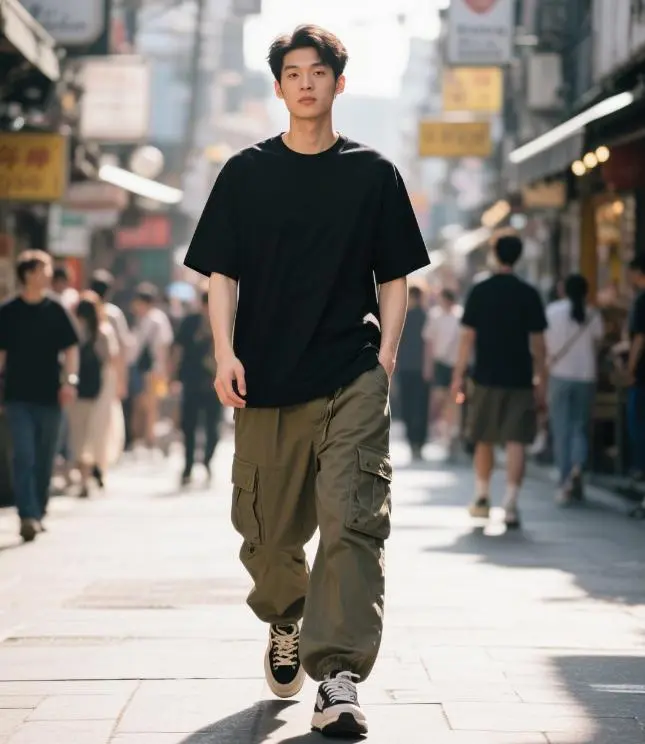
- Street Style: Choose 220GSM heavyweight cotton tees with relaxed cargo pants and dad sneakers
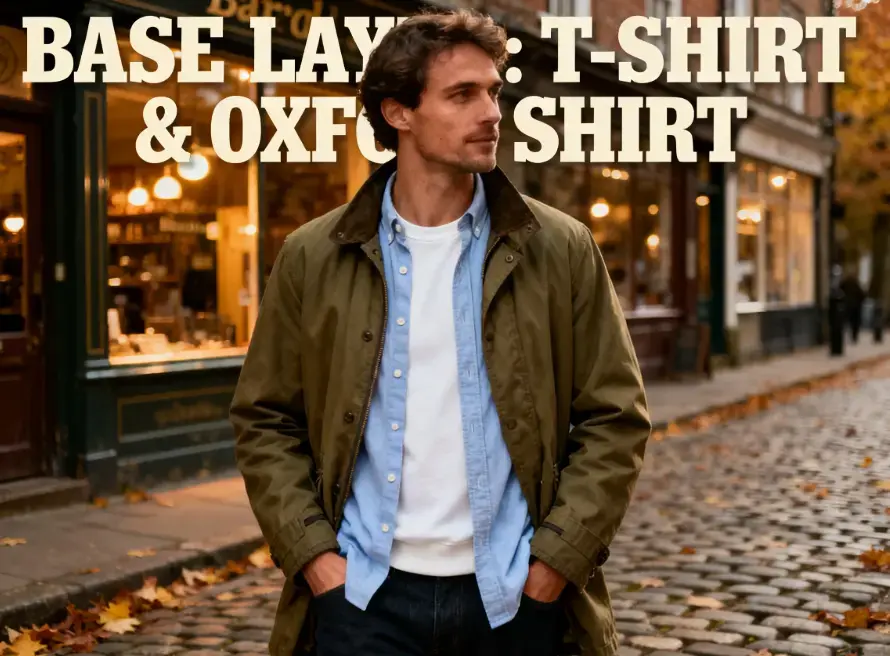
- Business Casual: Layer 180GSM combed cotton tees under wool blazers, balancing formality with minimalism
- Athletic Scenes: Polyester quick-dry tees with performance shorts for breathability and mobility
The Scene Codes of Regular Shirts
- Business Formal: 120GSM Egyptian cotton shirts with Windsor collars, paired with dark suits
- Vintage Style: Oxford button-down shirts with khaki pants for a preppy look
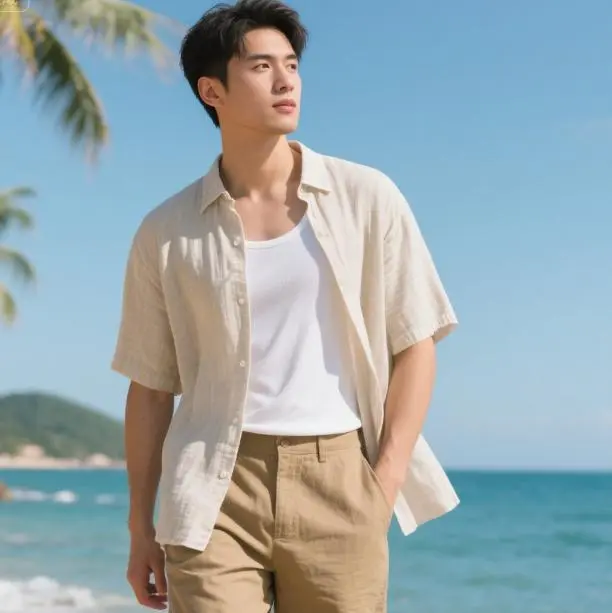
- Vacation Aesthetic: Linen-blend shirts worn open over white tanks for a relaxed vibe
Selection Logic Through a Sustainable Fashion Lens
Environmental Impact Comparison
- Cotton Tees: Organic cotton reduces pesticide use by 70%, but washing fade requires attention
- Polyester Shirts: Synthetic fibers consume significant petroleum, but durability extends the product life cycle
- Sustainable Options: Choose recycled polyester tees or Tencel-blend shirts to balance performance and eco-friendliness
Styling Formulas: Creating Cross-Scenario Outfits
Elevated Plain T-Shirt Styling
- Layering Principle: High-neck base tee + oversized utility shirt + leather vest
- Texture Contrast: Silk-cotton tees with wool wide-leg pants, using texture contrast to enhance layers
- Accessory Accents: Silver necklaces paired with heavyweight tees to strengthen streetwear vibes
Innovative Regular Shirt Styling
- Deconstructed Design: Remove shirt collar linings, pair with athletic shorts for an androgynous look
- Fabric Mixing: Denim shirts layered over mesh tanks for a retro-sport aesthetic
- Unconventional Buttoning: Fasten only middle buttons, tuck hems asymmetrically for a casual feel
Conclusion: Style Knows No Right or Wrong—Context Is King
Choosing between a plain t-shirt and a regular shirt is essentially decoding your lifestyle scenarios. The former thrives on "less is more" minimalism for daily wear, while the latter defines formality through "details equal quality" design. In the sustainable fashion era, build a "3+2" wardrobe: 3 tees of varying weights (basic white/vintage gray/trendy color) and 2 versatile shirts (business blue/casual khaki). Mix fabrics and styles creatively to switch seamlessly from street to office.
True styling wisdom lies in making every garment a narrative of personal style—whether the laid-back ease of a plain t-shirt or the refined polish of a regular shirt, both should serve the essence of fashion: dressing with character and attitude.