


The Mastery of T-Shirt Customization: A Comprehensive Guide from Concept to Creation
Ever dreamt of owning a T-shirt that’s a one-of-a-kind reflection of your personality, or hoped to boost team morale and make events unforgettable with customized apparel? T-shirt customization offers the perfect avenue to turn these ideas into tangible realities. This in-depth guide will navigate you through material selection, unlock the secrets of various crafting techniques, and teach you the art of design, empowering you to transform from a customization novice into a creative expert and craft stunning, personalized T-shirts with ease.
- Key Insights at a Glance
- Grasp the fundamental logic of T-shirt customization to unleash boundless creative inspiration.
- Select materials precisely and pair them with suitable techniques to lay the foundation for high-quality customization.
- Master a full range of crafting techniques to meet diverse customization needs across various scenarios.
- Adopt a user-centered design strategy to enhance the fit between customization and user expectations.
- Uncover the emotional and commercial potential of customized T-shirts.
II. The Art of Material Selection for Custom T-Shirts
(I) Choosing the Right Cut and Style
Different necklines and silhouettes endow T-shirts with distinct style characteristics. Crew necks are classic and versatile, ideal for creating simple, everyday looks; V-necks elongate the neckline, adding a touch of elegance to the outfit; raglan sleeves exude a sporty vibe, making them perfect for outdoor activities. When it comes to silhouettes, slim-fit styles accentuate body curves, presenting a sleek and modern feel, while loose-fit styles offer a laid-back and casual charm, making them a top choice for relaxed wear. The selection of cut and style should be carefully considered based on the wearing scenario, design of the pattern, and body shape characteristics of the target audience.
(II) Fabric Characteristics and Applicable Scenarios
| Fabric Type | Core Features | Best Application Scenarios | Classic Examples |
| 100% Cotton | Naturally skin-friendly and breathable, but prone to wrinkling | Daily casual wear, children's clothing | Parent-child outfits, loungewear |
| Cotton-Polyester Blend | Combines the comfort of cotton with the durability of polyester, highly wrinkle-resistant | Group activities, commercial customization | Corporate team-building uniforms, exhibition promotional clothing |
| Quick-Dry Polyester Fiber | Excellent moisture absorption and rapid drying, with great elasticity | Sports and fitness, outdoor adventures | Marathon event uniforms, mountaineering clothing |
| Organic Cotton | Environmentally friendly, healthy, and of high quality | High-end customization, 母婴 products | Luxury brand merchandise, baby clothing |
(III) Essential Fabric Pre-treatment Steps
Pre-washing and shrinkage control are crucial. Wash the fabric in cold water using a washing machine and dry it at a low temperature to effectively prevent shrinkage and deformation of the finished garment. Desizing treatment removes residual chemical sizing agents on the fabric surface, enabling subsequent printed patterns to be more vivid in color and adhere more strongly. Iron the fabric until it is wrinkle-free to create optimal conditions for precise pattern printing.
III. In-Depth Analysis of Customization Techniques
(I) Screen Printing: The Cost-Effective Choice for Mass Customization
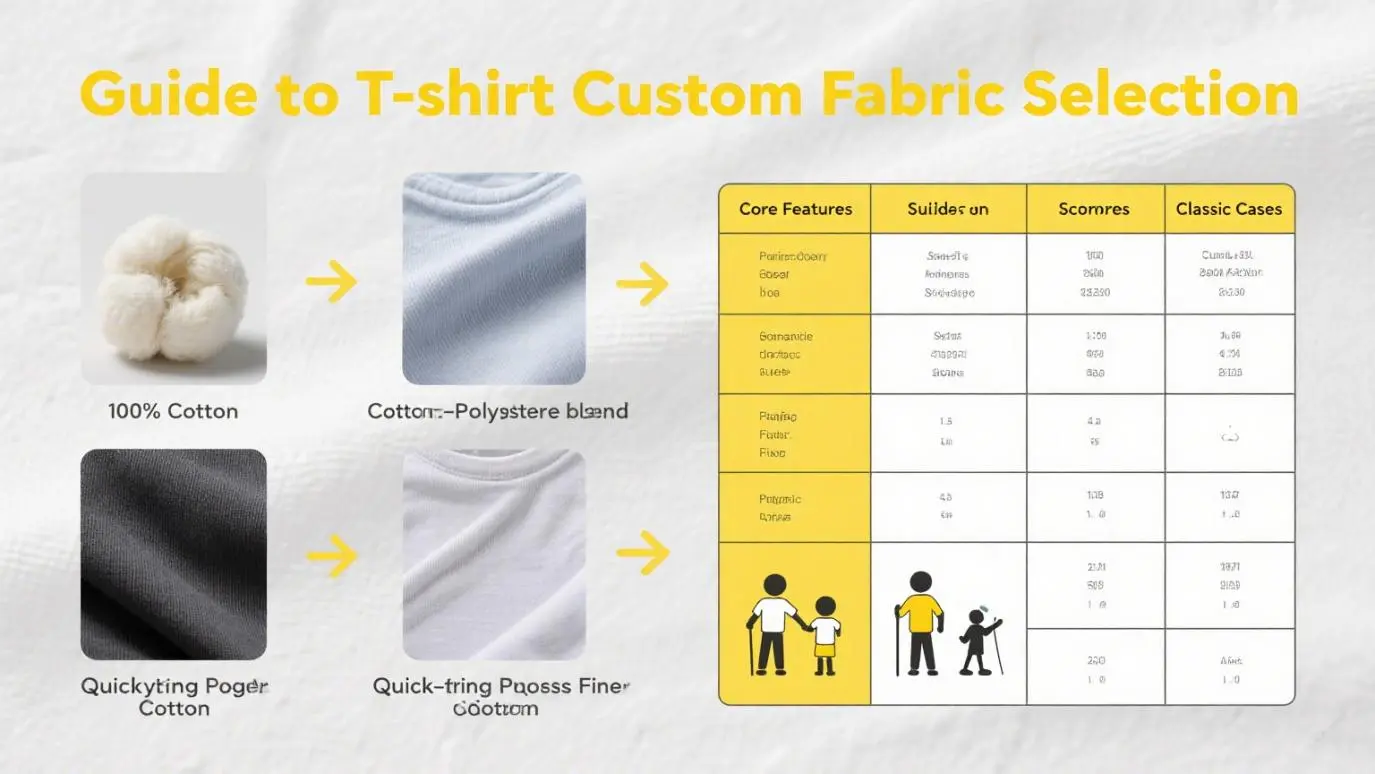
Screen printing works by creating a mesh stencil and using the principle of ink penetration to transfer patterns onto T-shirts. Its advantage lies in significant cost reduction during mass production, high ink fastness, and the ability to maintain clear patterns even after multiple washes. It is suitable for large-area patterns such as corporate logos, promotional slogans, and geometric shapes that don't require extremely fine details. For instance, an internet company customized a thousand team-building T-shirts using screen printing for their logo and slogan. Not only was the cost manageable, but the patterns also showed excellent durability, winning wide acclaim from employees.
(II) Embroidery: A Symbol of Texture and Quality
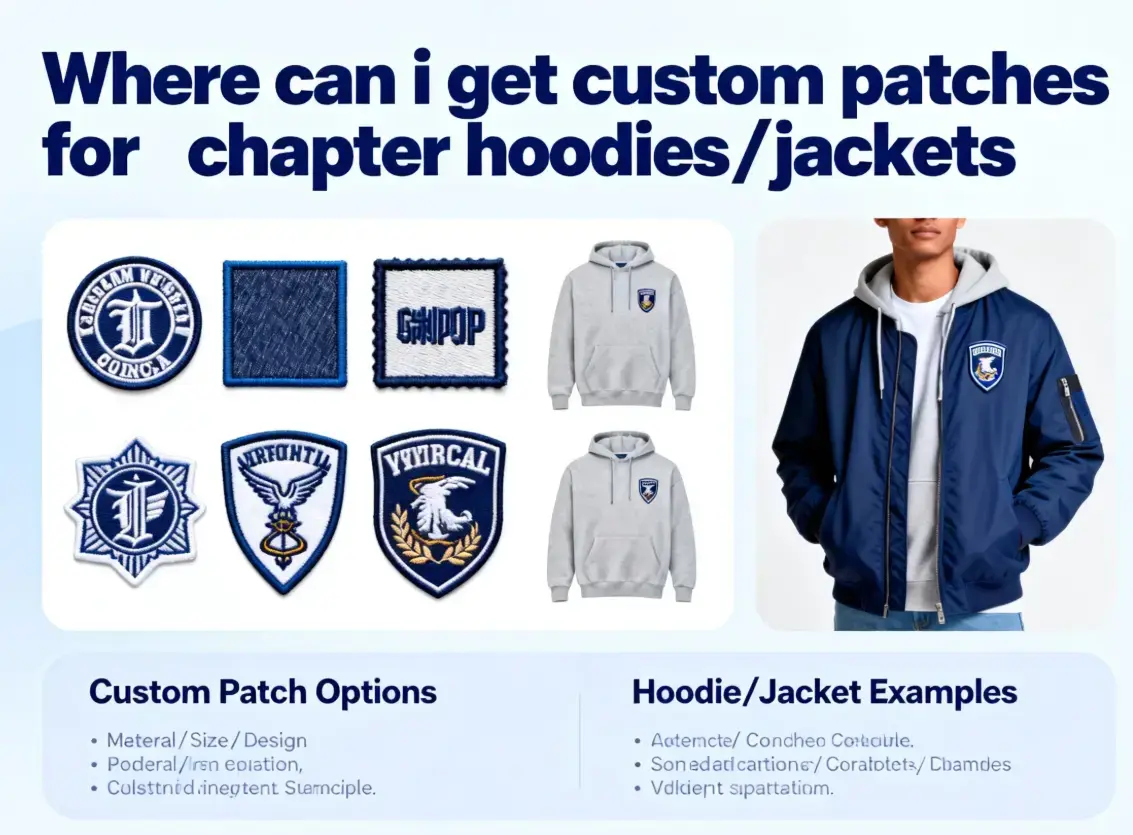
With the help of industrial embroidery machines, threads are stitched onto T-shirts according to the designed patterns, forming three-dimensional and plump stitches. The embroidery technique offers a unique tactile experience and outstanding abrasion resistance, often used to showcase high-end quality. It is ideal for small-sized logos, emblems, text, and other patterns, adding a touch of sophistication to T-shirts. Many high-end brand custom T-shirts, for example, often employ embroidery to highlight their brand elegance.
(III) Heat Transfer: Flexible and Swift Personalized Customization
Through high temperature and pressure, patterns on transfer paper are transferred onto T-shirt fabrics. This technique enables full-color, high-precision pattern printing, especially suitable for detailed patterns such as photos and complex illustrations, and offers high efficiency in single-piece customization. However, it should be noted that heat transfer patterns are prone to wear in frequently rubbed areas, and it is recommended to wash the T-shirts inside out. Many celebrity fans customize heat transfer T-shirts with their idols' photos as collectibles for their 追星 activities.
IV. Exploration of Advanced Creative Techniques
(I) Tie-Dyeing: The Fusion of Retro and Trend
Tie-dyeing is an ancient and charming craft. By using different binding methods and dyeing techniques, it can create unique and unrepeatable patterns. The spiral pattern is formed by rotating and binding the fabric; the checkered pattern is achieved through folding and clamping; and the radial pattern is created by binding from the center point. In terms of color matching, cool-toned tie-dyeing creates a mysterious and tranquil atmosphere, while warm-toned tie-dyeing conveys a lively and passionate vibe. Nowadays, the tie-dyeing technique has made a comeback in the fashion world, and many trendy brands have launched tie-dye T-shirts, becoming a favorite among fashion enthusiasts.
(II) Airbrushing: Artistic Expression of Free Creation
Using an airbrush with specialized textile inks and in combination with masking templates, airbrushing can create delicate and natural gradient effects and realistic patterns on T-shirts. From portraits to landscapes, airbrushing can perfectly reproduce a wide range of subjects, making it suitable for customization needs that pursue an artistic and personalized touch. Street artists often use the airbrushing technique to create unique artworks on T-shirts.
(III) 3D Relief Design: A Dual Feast for Vision and Touch
By using three-dimensional puffy paint and subjecting it to high-temperature curing, the pattern takes on a raised, three-dimensional effect. This technique adds fun and uniqueness to T-shirts, making it suitable for themed patterns such as cartoon characters and playful slogans, providing a strong visual impact and a novel tactile experience.
V. Practical Secrets of the Entire Design Process
(I) Recommended Design Tools
| Tool Type | Professional Software | Beginner-Friendly Software | Free Alternatives |
| Vector Graphic Design | Adobe Illustrator | CorelDRAW | Inkscape |
| Graphic and Text Layout | Adobe Photoshop | Canva | GIMP |
| 3D Effect Preview | Clo3D | Marvelous Designer | Free Online 3D Simulators |
(II) Color Matching Strategies
Adhere to the basic principles of color matching. Pair light-colored patterns with dark T-shirts to create a strong contrast and make the patterns more eye-catching; match dark patterns with light T-shirts to ensure clear visibility. Different colors convey distinct emotions: blue symbolizes professionalism and calmness, red represents enthusiasm and energy, and green implies environmental friendliness and vitality. Referencing annual color trends, such as the 2024 "Digital Lavender" and "Dynamic Coral," can infuse a fashionable touch into your designs.
(III) Key Points of Composition Design
Determine the central position of the pattern. For chest patterns, a distance of 15 - 20 cm from the collar and a diameter within 12 cm are recommended to ensure visual harmony and aesthetics. When designing full-back patterns, fully consider the curvature of the human back to avoid pattern distortion. For decorative patterns on sleeves and hems, control the size reasonably. The width of sleeve patterns should not exceed 8 cm, and sufficient room for movement should be reserved for hem decorations to ensure comfortable wearing.
VI. Tips for Beginners and Practical Skills
(I) Precisely Meeting Audience Needs
Conduct in-depth analysis of the characteristics of the target audience. Teenagers are often drawn to trendy graffiti, anime IPs, and other elements, while middle-aged groups tend to prefer simple text and classic patterns. Customize according to different usage scenarios. For sports events, choose quick-dry fabrics with breathable designs; for music festivals, adopt tie-dyeing techniques combined with fluorescent pigments to create an eye-catching effect.
(II) Low-Cost Sampling Strategies
Before formal customization, first simulate cutting with scrap paper to determine whether the proportion of the pattern to the T-shirt style is appropriate. Conduct sample tests using heat transfer paper to observe whether the pattern color, clarity, and position meet expectations, avoiding material waste from direct machine operation. Create a color sample book to record the color differences of different fabrics during the printing process, providing a reference for subsequent customizations.
(III) Feedback and Optimization Mechanism
Design questionnaires to collect the evaluations and suggestions of over 50 target users, focusing on dimensions such as the visual appeal of the pattern, the wearing comfort of the T-shirt, and price acceptability. Through A/B testing, compare the user feedback and market responses of different design schemes, and quickly iterate and optimize the designs to ensure that the final customized products meet the requirements.
VII. Conclusion: Embark on the Creative Journey of T-Shirt Customization
From a blank piece of fabric to a customized T-shirt that carries creativity and personality, every step is filled with endless possibilities. Whether you aim to express your unique self or meet commercial customization needs, mastering scientific material selection methods, diverse crafting techniques, and innovative design thinking will make your customized T-shirts stand out. Now, armed with this guide, embark on your own creative journey of T-shirt customization and let each T-shirt become a one-of-a-kind work of art!
Actionable Advice: For your first customization attempt, opt for the basic heat transfer technique, pair it with a white T-shirt and a simple single-color pattern to reduce the difficulty of operation. After gaining some experience, don't hesitate to experiment with a combination of techniques like embroidery and tie-dyeing to create limited-edition, creative T-shirts.