




What Do You Layer Under Barbour Jacket?
Introduction
Barbour jackets have long been a staple of timeless outerwear, celebrated for their durable waxed cotton construction, classic silhouettes, and versatile functionality—whether you’re hiking through countryside trails, running urban errands, or attending a casual weekend gathering. But one question consistently arises among wearers: “what do you layer under barbour jacket?” The answer hinges on balancing three key factors: temperature adaptability, material compatibility, and style cohesion. A Barbour’s waxed cotton (or lightweight cotton) exterior demands inner layers that complement its texture without causing bulk, while providing just the right amount of warmth for the occasion. Dongguan Siyinghong Garment, with years of experience in outerwear and layering essentials, has curated a comprehensive guide to solve “what do you layer under barbour jacket” for every scenario. From springtime strolls to winter adventures, casual outings to polished commutes, we’ll break down the best layering strategies, material pairings, and must-have pieces to elevate your Barbour look—without sacrificing comfort or functionality.
Layering logic for Barber jackets in different temperature scenarios (Spring/Autumn/Winter)
The key to answering “what do you layer under barbour jacket” lies in adapting to temperature changes—Barbour jackets are designed for year-round wear, so your inner layers should be scalable to keep you comfortable in 10°C (50°F) spring breezes or -5°C (23°F) winter chills. Follow this temperature-based layering framework for optimal warmth and fit:
1. Spring and Autumn (10°C - 20°C / 50°F - 68°F): Lightweight and breathable, flexible fit
Spring and fall call for lightweight layers that add subtle warmth without overheating, as Barbour's waxed cotton already provides wind and light rain protection.
- Base Layer : Opt for moisture-wicking fabrics to stay dry during mild activity. Ideal choices include:
- Slim-fit merino wool tees (breathable, odor-resistant, and slightly insulating)
- Cotton-cashmere blend long-sleeve tops (soft, lightweight, and versatile)
- Lightweight linen shirts (for warmer spring days—pair with rolled-up sleeves for a relaxed vibe)
- Mid Layer: For cooler mornings or evenings, add a thin mid layer that’s easy to remove:
- Fine-gauge knit sweaters (crewneck or V-neck, in neutral tones like navy, gray, or beige)
- Quilted vest (slim-fitting, without bulk—choose down or synthetic fill for lightweight warmth)
- Layering Tip: Avoid thick fabrics here—bulky layers will bunch under the Barbour’s structured silhouette, ruining the jacket’s clean lines. Stick to slim or regular-fit pieces that hug the body gently.
2. (0°C - 10°C / 32°F - 50°F):
Winter layering requires a balance of insulation and breathability, as Barbour jackets (especially waxed styles) are not overly thick on their own.
- Base Layer: Prioritize warmth and moisture management with:
- Thermal merino wool tops (mid-weight, soft against the skin, and excellent at trapping heat)
- Fleece-lined thermal shirts (for extra cold days—choose slim-fit to avoid bulk)
- Mid Layer: Add a thicker insulating layer that complements the Barbour’s texture:
- Chunky knit sweaters (cable-knit or fisherman knit, in wool or wool-blend—avoid oversized fits)
- Quilted jackets (slim-fitting, with down or synthetic fill—look for styles that hit at the waist to fit under the Barbour)
- Shearling-lined denim shirts (for a rugged, vintage-inspired look—adds warmth without sacrificing style)
- Layering Tip: Stick to 2-3 layers max—any more will make the Barbour feel tight and restrict movement. The base layer should be thin, the mid layer moderately thick, and the Barbour itself the outer shell.
3. (Below 0°C / 32°F): mobility
For freezing temperatures, you’ll need to upgrade your layers without compromising the Barbour’s fit.
- Base Layer: Heavyweight thermal tops (merino wool or synthetic blend—moisture-wicking and heat-retentive)
- Mid Layer: Insulated pieces that are compact yet warm:
- Down-filled sweaters (slim-fitting, with lightweight down fill—provides maximum warmth without bulk)
- Fleece jackets (polar fleece or microfleece, in a slim cut—breathable and quick-drying)
- Pro Tip: Choose layers with stretch (e.g., merino wool blended with spandex) to maintain mobility, as the Barbour’s waxed cotton is somewhat structured. Avoid stiff fabrics that will make movement awkward.
The material matching principle for wearing a Barbour jacket underneath (waterproof wax fabric / cotton / knitted)
Barbour jackets come in three primary materials—waxed cotton (the iconic style), regular cotton, and knit/hybrid—each requiring specific inner layer materials to avoid clashing, discomfort, or damage. Understanding these material pairings is key to answering “what do you layer under barbour jacket” correctly.
1. (Waxed Cotton Barbour):
Waxed cotton is durable, water-resistant, and has a slightly stiff texture—inner layers should be soft to prevent rubbing against the skin and avoid damaging the wax coating.
- Recommended Materials:
- Merino wool (soft, breathable, and won’t scratch the waxed surface)
- Cashmere (luxuriously soft, lightweight, and adds a touch of elegance)
- Cotton (organic or brushed cotton—soft, breathable, and casual)
- Silk (for lightweight layering in warmer weather—smooth and non-abrasive)
- Materials to Avoid:
- Rough denim (unwashed or stiff denim can scratch the wax coating over time)
- Thick canvas (bulky and stiff, will bunch under the jacket)
- Velcro or sharp embellishments (can snag the waxed cotton)
2. (Cotton Barbour):
Cotton Barbour jackets (unwaxed) are softer and more breathable than waxed styles, making them ideal for casual layering with a wider range of materials.
- Recommended Materials:
- Denim (lightweight or medium-weight denim shirts—casual and versatile)
- Flannel (brushed flannel shirts—warm and cozy for fall/winter)
- Knit sweaters (any gauge, from fine to chunky—adds texture and warmth)
- Linen (for summer—breathable and lightweight)
- Layering Tip: Cotton Barbours pair well with slightly textured inner layers (e.g., flannel, cable-knit) to add visual interest without clashing.
3. (Knit/Hybrid Barbour):
Knit or hybrid Barbours (e.g., cotton-knit sleeves, quilted panels) have a softer, more relaxed silhouette—inner layers should be sleek to avoid looking bulky.
- Recommended Materials:
- Slim-fit merino wool tops (smooth and streamlined)
- Fitted cotton tees (for casual outings—tucked in for a polished look)
- Lightweight turtlenecks (cashmere or merino—sleek and warm)
- Materials to Avoid:
- Oversized knits (will make the outfit look shapeless)
- Bulky sweatshirts (too casual and will bunch)
Different styles of Barber innerwear pairings (casual/outdoor/urban commuting) (H2)
A Barbour jacket's versatility lies in its ability to adapt to different styles—whether you're going for a rugged outdoor look, a casual weekend vibe, or a polished urban commute. Here's how to layer under it for each aesthetic:
1. Casual Weekend Style: Comfortable and relaxed, highlighting rugged charm.
Perfect for brunch, errands, or countryside walks—layer for comfort and laid-back style.
- Men's Outfit
- Base Layer: White cotton crewneck tee
- Mid Layer: Light blue denim shirt (unbuttoned, sleeves rolled up)
- Bottoms: Khaki chinos or dark wash jeans
- Footwear: Chelsea boots or leather sneakers
- Women’s Outfit:
- Base Layer: Beige merino wool turtleneck (slim-fit)
- Mid Layer: Oversized cream cable-knit sweater (tucked in slightly at the waist)
- Bottoms: High-waisted skinny jeans or corduroy pants
- Footwear: Ankle boots or loafers
- Key Tip: Add a scarf (wool or cotton) for extra warmth and style—tuck it into the mid layer for a cozy touch.
2. (Outdoor/Countryside):
For hiking, fishing, or outdoor activities—layers should be durable, moisture-wicking, and warm.
- Men’s/Women’s Outfit:
- Base Layer: Merino wool thermal top (moisture-wicking, odor-resistant)
- Mid Layer: Fleece-lined flannel shirt or quilted vest (water-resistant if possible)
- Bottoms: Cargo pants or waterproof hiking pants
- Footwear: Hiking boots or wellies
- Accessories: Wool gloves, a beanie, and a backpack
- Key Tip: Choose mid layers with pockets for storing small essentials (e.g., phone, keys) while keeping your hands free.
3. (Urban Commute):Polished yet practical
For work or city outings—layers should be sleek, professional, and easy to transition from office to street.
- Men’s Outfit:
- Base Layer: Light gray merino wool long-sleeve tee
- Mid Layer: Navy slim-fit sweater or tailored flannel shirt (buttoned up)
- Bottoms: Tailored trousers or dark wash slim jeans
- Footwear: Leather Oxfords or loafers
- Accessories: A leather belt and a structured bag
- Women’s Outfit:
- Base Layer: Black silk camisole (for warmer days) or merino wool turtleneck (for cooler days)
- Mid Layer: Fitted blazer (lightweight wool or cotton) or cropped knit sweater
- Bottoms: Midi skirt (wool or leather) or tailored pants
- Footwear: Heeled ankle boots or pumps
- Key Tip: Stick to neutral tones (navy, gray, black, beige) for a polished look that complements the Barbour’s classic color palette (olive, navy, brown).
Men/Women's Barber Jacket Underwear Selection Recommendations
To take the guesswork out of “what do you layer under barbour jacket,” we’ve curated a list of must-have inner layers for men and women—all designed to pair seamlessly with Barbour jackets in terms of fit, material, and style.
Men's essential base layer items
- Merino Wool Crewneck Sweater: A slim-fit merino wool sweater in navy, gray, or olive is a versatile staple—soft enough for waxed Barbours, warm enough for winter, and sleek enough for commuting.
- Denim Shirt: A light or medium wash denim shirt (slim-fit) adds a rugged yet casual touch—wear buttoned up for warmth or unbuttoned over a tee for layering.
- Thermal Merino Wool Top: For winter, a mid-weight thermal top is essential—moisture-wicking and heat-retentive, without adding bulk.
- Quilted Vest: A slim-fitting quilted vest (down or synthetic fill) adds extra warmth without restricting movement—perfect for layering under waxed Barbours.
- Flannel Shirt: A brushed flannel shirt in plaid (navy/red, gray/black) is ideal for fall—warm, casual, and pairs well with cotton Barbours.
Essential Underwear Items for Ladies
- Slim-Fit Merino Wool Turtleneck: A turtleneck in beige, black, or burgundy is sleek and warm—perfect for pairing with both waxed and cotton Barbours.
- Oversized Cable-Knit Sweater: An oversized cream or gray cable-knit sweater (tucked in slightly) adds cozy texture—great for casual weekends.
- Silk Camisole: For warmer days or polished commutes, a silk camisole in black or white adds a touch of elegance under a cotton Barbour.
- Quilted Jacket (Slim-Fit): A cropped quilted jacket (down fill) is ideal for winter—wears smoothly under a Barbour and adds extra insulation.
- Corduroy Shirt: A corduroy shirt in burgundy or olive adds vintage charm—soft, warm, and pairs beautifully with waxed Barbours.
Unisex Essential: Wool Scarf
A wool or cashmere scarf in a neutral tone (beige, gray, navy) is a must-have accessory for layering under a Barbour—it adds warmth to the neck without bulk, and complements the jacket’s classic style. Opt for a medium length (not too long) to avoid tangling.
Barberne Tack Avoid Guide (Avoid bulkiness / material conflicts / style incongruity)
Even with the right 单品,poor layering choices can ruin your Barbour look. Avoid these common pitfalls to ensure your inner layers work harmoniously with your jacket:
1. Avoid: Oversized
- Problem: Oversized sweaters, shirts, or jackets will bunch under the Barbour’s structured silhouette, making you look bulky and ruining the jacket’s clean lines.
- Solution: Stick to slim-fit or regular-fit inner layers—they should hug your body gently without being tight. If you prefer a looser mid layer (e.g., an oversized sweater), opt for a Barbour in a slightly larger size to accommodate it.
2. Avoid:(Rough vs. Delicate)
- Problem: Rough, stiff materials (e.g., unwashed denim, canvas) can scratch waxed cotton Barbours over time, while overly delicate fabrics (e.g., silk) may tear if paired with rugged outdoor layers.
- Solution: Match inner layer materials to your Barbour’s material (see Section 2 for details). For waxed Barbours, stick to soft materials (merino wool, cashmere, cotton). For cotton Barbours, you can experiment with slightly rougher textures (denim, flannel).
3. Avoid:Style Mismatch(Too Casual vs. Too Formal)
- Problem: Pairing a rugged waxed Barbour with overly formal inner layers (e.g., a dress shirt and tie) or a polished cotton Barbour with too-casual layers (e.g., a hoodie) creates a disjointed look.
- Solution: Align your inner layers with the Barbour’s style. Waxed Barbours work best with casual/rugged layers (denim, knit sweaters, thermal tops). Cotton or knit Barbours can be dressed up with tailored layers (blazers, silk camisoles) or down with casual pieces (tees, flannel).
4. Avoid:Over-Layering(Too Many Pieces)
- Problem: Wearing 4+ layers under a Barbour will make the jacket feel tight, restrict movement, and look bulky.
- Solution: Stick to 2-3 layers max (base + mid layer, or base + mid + light outer layer). Prioritize high-quality, insulating materials (merino wool, down) over quantity—they’ll keep you warmer without adding bulk.
5. Avoid:Ignoring Color Coordination
- Problem: Clashing colors (e.g., a bright red sweater under an olive Barbour) can distract from the jacket’s classic appeal.
- Solution: Stick to a neutral color palette (navy, gray, black, beige, olive) for inner layers—they complement the Barbour’s traditional colors and create a cohesive look. You can add subtle pops of color (e.g., a burgundy sweater under a navy Barbour) for visual interest, but avoid bright, neon hues.
Conclusion
Answering “what do you layer under barbour jacket” is all about balancing warmth, fit, and style—whether you’re dressing for a casual weekend, an outdoor adventure, or a city commute. By following the temperature-based layering logic, matching inner layer materials to your Barbour’s fabric, and aligning your outfit with your desired aesthetic, you can create a look that’s both functional and timeless. Remember to prioritize slim-fit, high-quality materials (merino wool, cashmere, cotton) to avoid bulk, and stick to neutral tones for a cohesive finish. With the right layers, your Barbour jacket will become a versatile staple that works for every season and every occasion—combining rugged durability with effortless style.
FAQ
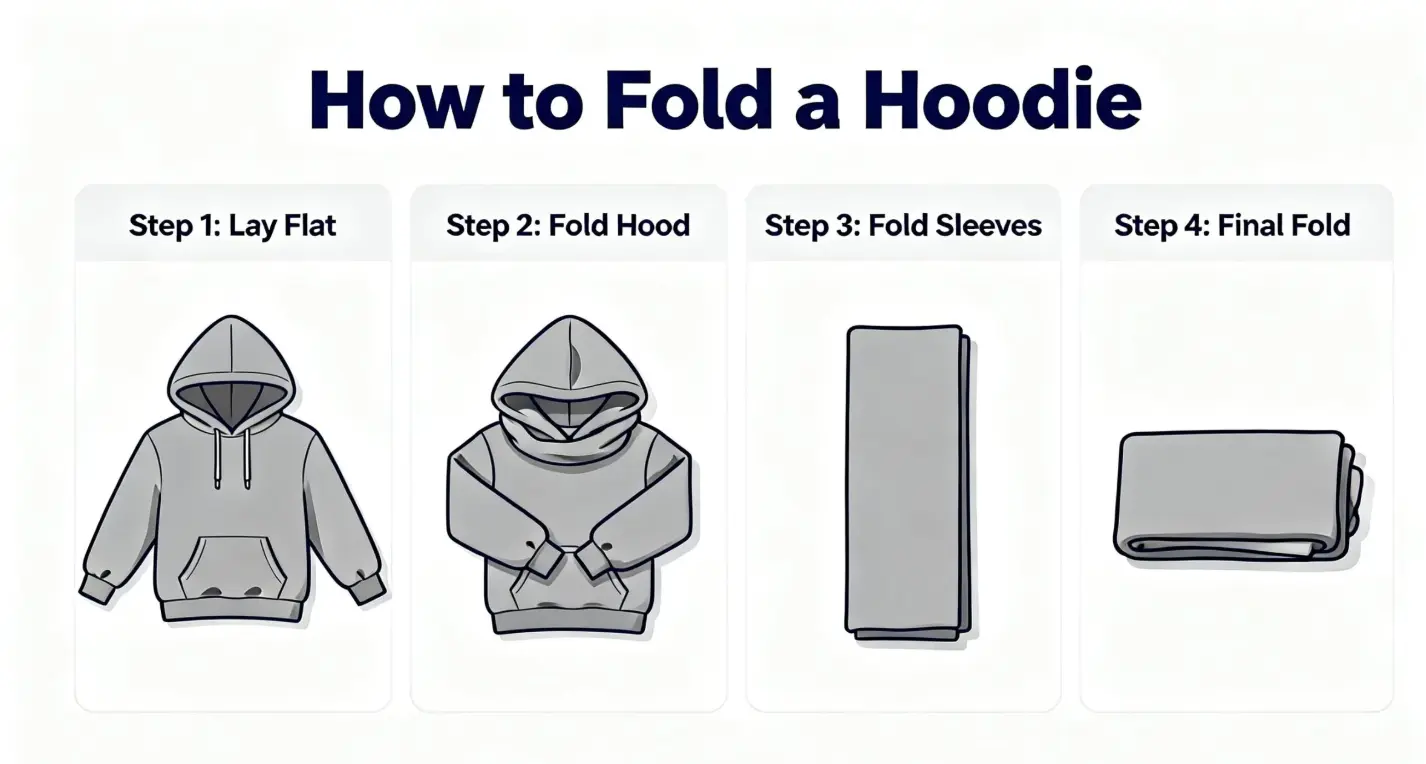
FAQ 1: Can I wear a hoodie under a Barbour jacket?
Yes, but choose a slim-fit, lightweight hoodie (not oversized or thick). Opt for neutral colors (gray, black, navy) and ensure the hood doesn’t bunch up under the Barbour’s collar. Hoodies work best with casual cotton or knit Barbours—avoid pairing them with waxed Barbours for a more polished look.
FAQ 2: What do you layer under a Barbour jacket in summer?
In summer (20°C+ / 68°F+), keep layers minimal: wear a lightweight base layer like a cotton tee, linen shirt, or silk camisole. Avoid mid layers—let the Barbour’s breathable cotton (unwaxed) or lightweight waxed fabric provide sun and wind protection without overheating.
FAQ 3: Can I wear a turtleneck under a Barbour jacket?
Absolutely! A slim-fit merino wool or cashmere turtleneck is a perfect winter layer under a Barbour—it’s warm, sleek, and doesn’t bunch up. Choose neutral tones (beige, black, gray) for a classic look, or a deep burgundy or forest green for a subtle pop of color.
FAQ 4: What do women wear under a Barbour quilted jacket?
Barbour quilted jackets are lighter than waxed styles, so layer with slim-fit pieces: a merino wool turtleneck, silk camisole, or fitted knit sweater. For colder days, add a thin thermal top under the sweater. Pair with tailored pants, skirts, or jeans for a versatile look.