




0102030405
Why are most luxury clothes made of more than 80% polyester?
2024-10-27
If you look carefully, most big brands (I mean luxury goods) will use nylon (nylon) more than polyester fiber (polyester, hereinafter referred to as polyester). The feel and quality of nylon will be relatively better, and the price is higher than that of polyester
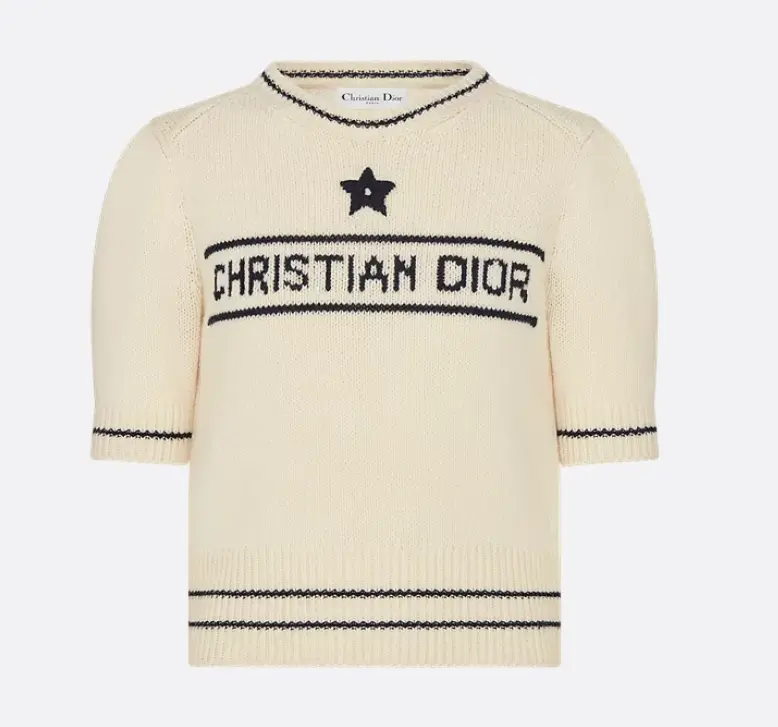
Back to the problem itself, fabric blending is a very mainstream weaving method now. Because various fabric components will have their own advantages and disadvantages. Heres an example:
For example, the characteristics of polyester are: high strength, wrinkle resistance, good color development, not afraid of mildew and moth-eating, good light fastness, poor water absorption (so faster drying) and poor air permeability
Features of cotton fabric: natural fiber soft and comfortable, good breathability, strong water absorption, easy to wrinkle, easy to shrink, easy to deform, etc
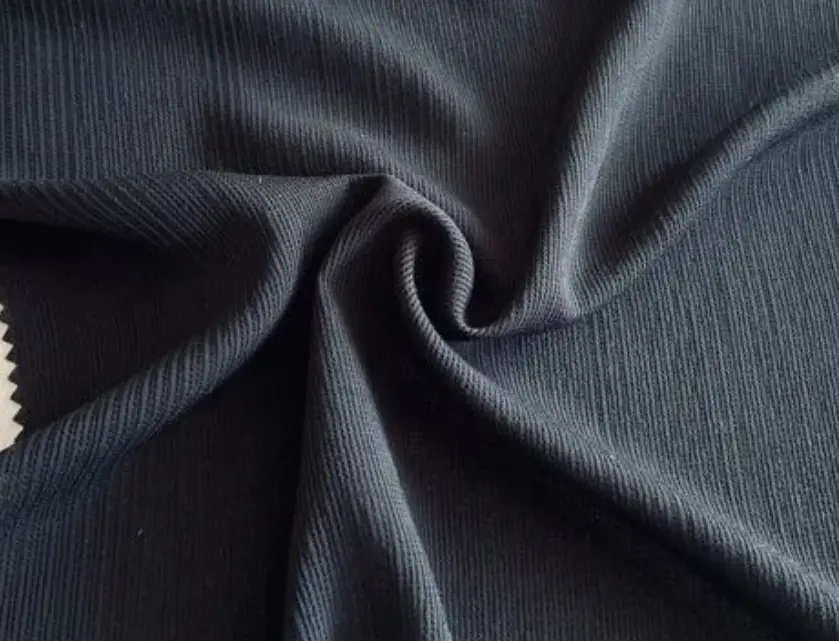
It can be seen that many characteristics of cotton and polyester are relative, for example, one has poor water absorption, the other has strong water absorption, and the other is wrinkle-resistant and the other is easy to wrinkle. Therefore, fabric Manufacturers try to mix the two ingredients together for weaving, combining the advantages and disadvantages of the two ingredients.
Cotton-polyester blended fabrics have the characteristics of two components at the same time, which improves the feel, moisture absorption and breathability of the fabric compared with pure polyester fabrics. At the same time, it solves the problem that cotton fabrics are easy to wrinkle, deform, shrink, and easy to be insect-eaten (common problem of natural fibers)
As for the proportion of blended textiles, which ingredients are more, it depends on the designers choice and the positioning of the product. For example, I do sports and need to sweat a lot. The non-absorbent and quick-drying characteristics of polyester are even more important, so the proportion of polyester will increase. If my product positioning is leisure, and the usage scenarios are mostly offices and office buildings where there is no huge amount of exercise and sweating, and skin-friendly comfort is a more important feature, then I am more willing to choose one with a higher proportion of cotton.
As for the saying that polyester is used because it is cheap, I beg to differ, because this wont be the main reason. Polyester is indeed cheaper than nylon and cotton, but it wont be much cheaper in the same gear (you cant compare the price of long-staple cotton with ordinary polyester, not in the same gear). If the designer is professional, the fabric should serve the product positioning and usage scenario, rather than simply choosing an unsuitable fabric for the sake of the fabric cost.
After all, for most designers, the boss wont give the saved cost to the designer, so its better to make the most suitable fabric.
There is also because big foreign clothing brands attach great importance to the concept of environmental protection, which can be seen from vegan, biodegradable, or fabrics made from raw materials extracted from plants to make ready-made clothes.
recycle polyester, the raw materials of environmentally friendly recycled polyester come from waste polyester bottle flakes, spinning waste yarn, bubble materials and pulp blocks. Recycling, crushing, washing, drying, melting extrusion, spinning, winding, bundling, drafting, crimping, relaxing, heat setting, and cutting to form different lengthsPolyester fiberPolyester is a synthetic material. Research data shows that every ton of recycled PET yarn produced = 67,000 plastic bottles = 4.2 tons of carbon dioxide reduction = 0.0364 tons of oil saving = 6.2 tons of water saving
It has the following three advantages:
High cost performance: Recycled materials, because raw materials are relatively easy to obtain, the cost performance of most fabrics is higher than that of conventional polyester. Good wear resistance, second only to wear resistanceNylon, better than other natural and synthetic fibers. High Strength Polyester fiber is nearly 1 times stronger than cotton and 3 times stronger than wool.
Preservability: The elasticity of polyester is close to that of wool, and its wrinkle resistance exceeds that of other fibers. The preservability of the fabric is also very good.
Wrinkle resistance: Recycled polyester yarn is used as clothing fiber, and its fabric can achieve the effect of wrinkle-free and ironing-free after washing.